Pennsylvania Passes Bitcoin Rights Bill
On Wednesday, the state’s House of Representatives passed House Bill 2481, known as the “Bitcoin Rights Bill,” which protects residents’ rights to self-custody digital assets, enables the use of Bitcoin as a legal form o...
Archive context
Older archive item. Useful for background and entity history, but not a fresh market-moving signal.

On Wednesday, the state’s House of Representatives passed House Bill 2481, known as the “Bitcoin Rights Bill,” which protects residents’ rights to self-custody digital assets, enables the use of Bitcoin as a legal form of payment, and outlines taxation rules for Bitcoin transactions. The bill sailed through with overwhelming bipartisan support, securing 176 votes in favor and just 26 against.
Source: X
The bill’s passage marks a significant milestone for the U.S. crypto industry, as regulatory uncertainty at the federal level continues to stymie broader adoption and innovation. Federal agencies such as the Securities and Exchange Commission (SEC) and the Commodity Futures Trading Commission (CFTC) have been locked in a tug-of-war over who should regulate the nascent $2 trillion digital asset market. In the absence of federal clarity, states like Pennsylvania are stepping in to fill the gap.
The Satoshi Action FundCrafted with the help of the Satoshi Action Fund (SAF), a prominent Bitcoin advocacy group, the Bitcoin Rights Bill is part of a broader movement to establish state-level rules for digital assets. SAF has already helped pass similar legislation in 20 states, with four bills becoming law in Oklahoma, Louisiana, Montana, and Arkansas. The group’s goal is to give state lawmakers the tools to foster innovation while protecting consumers, something the federal government has yet to do.
SAF
Republican state Rep. Mike Cabell, the bill’s sponsor and a longtime Bitcoin investor, praised the bipartisan support for the legislation, calling it a win for innovation and financial security. “In such polarizing times, it’s great to see both sides of the aisle come together to further innovation and prioritize security for Pennsylvanians who own and transact with cryptocurrency,” Cabell said.
The bill now heads to the Pennsylvania Senate, where it is expected to pass before landing on Governor Josh Shapiro’s desk. If signed into law, Pennsylvania will become one of the most progressive states in terms of digital asset regulation.
Pennsylvania’s role as a swing state in the 2024 presidential election has not gone unnoticed by the crypto industry. With 1.5 million residents—or about 12% of the state’s population—owning digital assets, the bill could mobilize a significant voter base. The Senate race between Democratic incumbent Bob Casey and Republican challenger Dave McCormick, a Bitcoin advocate, is already heating up, with the state’s crypto regulation likely to play a pivotal role.
Dennis Porter, founder of the Satoshi Action Fund, highlighted Pennsylvania’s importance in the upcoming election, calling it on X, “the most important battleground state in the presidential race.” With the bill moving toward passage in the Senate, Porter believes that the “Bitcoin vote” is quickly becoming a new political force.
Source: X
As the regulatory debate continues to rage at the federal level, Pennsylvania’s Bitcoin Rights Bill could serve as a model for other states looking to create clear rules for digital assets while empowering their residents with financial freedom.
Why this matters
This bitcoin story adds another data point to the current market tape and is useful when read alongside nearby source coverage.
Original source
Read on Brave New CoinRelated market context

Tokenized Stocks, Investor Rights, and Their Crypto Role
Tokenized stocks could give crypto-native investors access to equity exposure through crypto platforms, but a token that tracks a...
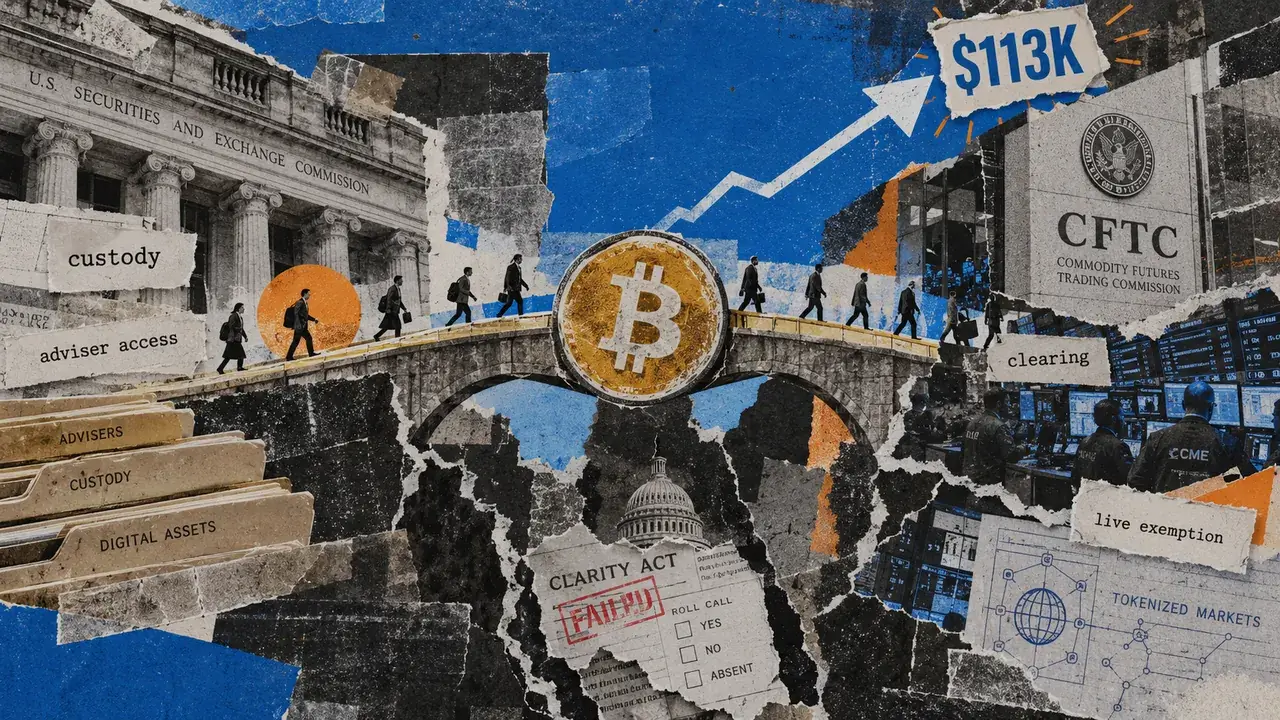
Bitcoin’s $113,000 case strengthens as US regulators push 9 crypto actions
The US Securities and Exchange Commission (SEC) proposed a custody framework on Oct. 1 that would let investment advisers and regu...

Hester Peirce departs SEC after years of advocating for digital assets
Peirce's departure leaves the SEC with a narrowed perspective, potentially impacting future crypto regulation and innovation initi...

US targets $17 billion Russia-linked crypto payment network using USDT as an escape route
The US sanctioned the Russia-linked A7 Network and proposed new restrictions to cut its crypto intermediaries off from global mark...

Once a $2 billion Ethereum layer-2, Blast is shutting down after assets plunge 98%
Once home to more than $2 billion in crypto assets, Blast is shutting down as activity fades, costs rise, and bigger platforms lik...
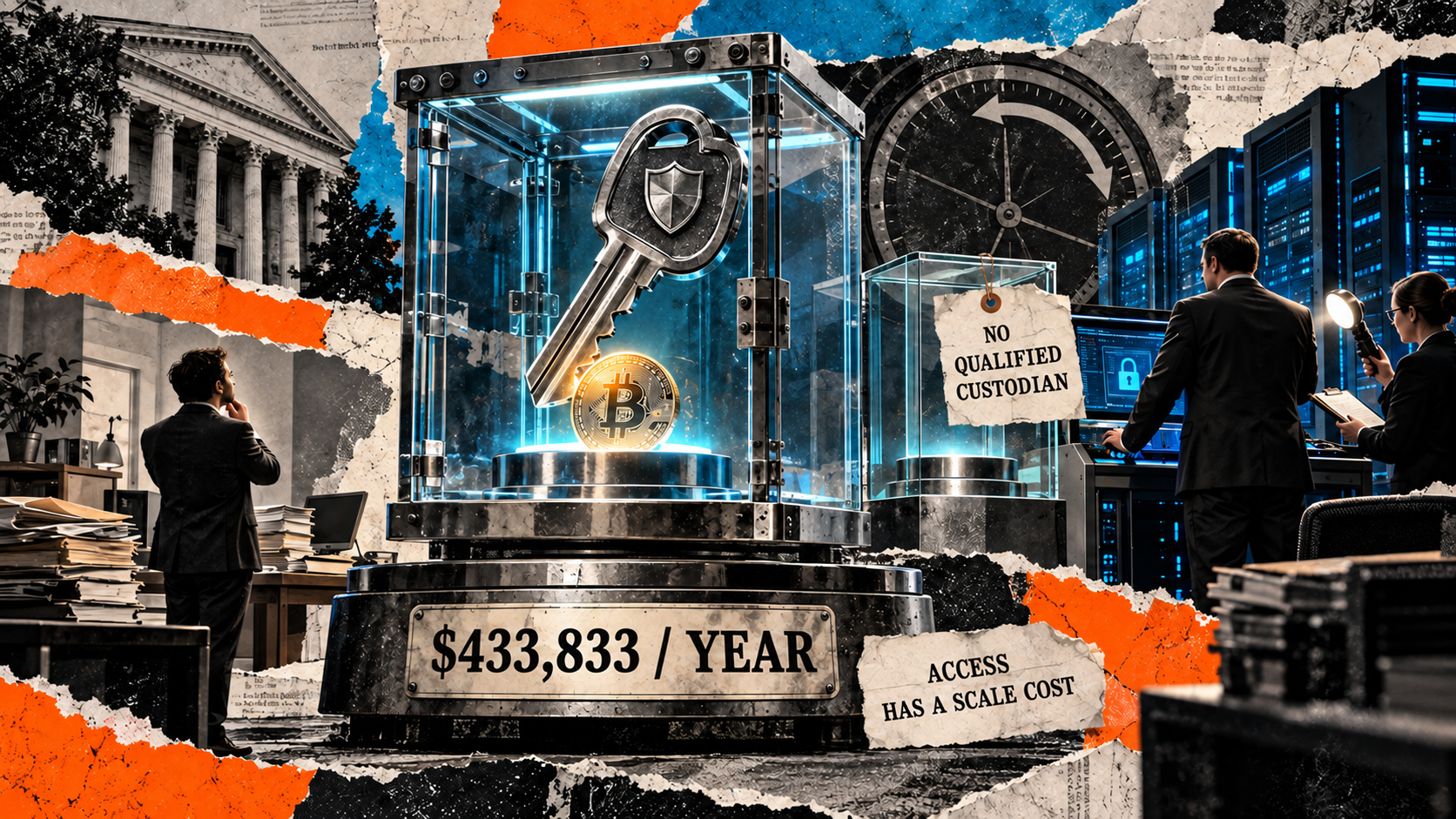
New SEC crypto rules threaten small advisers, but big firms win
The US Securities and Exchange Commission’s proposed crypto custody fallback could broaden investment choices while making them ea...