Regulation Is the Key to Mass Bitcoin Adoption: OkCoin CEO
In 2017, crypto exchange OkCoin (along with Huobi) moved its operations out of China and shut down support the yuan amid China's crackdown on crypto mining. Four years later, China is still reiterating, again and again,...
Archive context
Older archive item. Useful for background and entity history, but not a fresh market-moving signal.
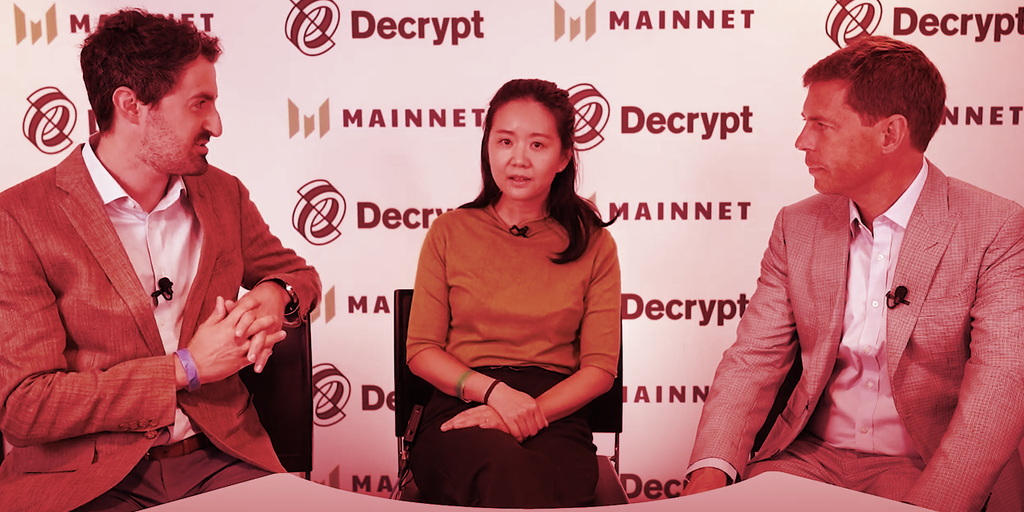
In 2017, crypto exchange OkCoin (along with Huobi) moved its operations out of China and shut down support the yuan amid China's crackdown on crypto mining.
Four years later, China is still reiterating, again and again, its ban on crypto mining and transactions. (In July, OkCoin parent company OK Group officially dissolved its Beijing entity.) But OkCoin CEO Hong Fang is not terribly surprised by China's continued crackdown, and says she welcomes more regulation of the industry.
"It's not that surprising that larger countries are more conservative on that front, and then smaller countries like El Salvador and others in Latin America are more proactive," she told Decrypt in an interview at the Messari Mainnet conference in New York last week—just two days before China's latest public statement sent Bitcoin tumbling. "What we are more focused on is to be compliant with the regulations where we are operating."
Even as recent bearish comments from new SEC chair Gary Gensler have spooked crypto investors and entrepreneurs, Fang believes regulation is necessary for the space to mature. "We believe that [regulation] is the first step to actually build a bridge that can actually speak to a larger audience instead of just to the initial, niche population, which I think is important and critical for the further adoption of crypto,” Fang said.
Regulating the surging crypto industryFang added that she has some sympathy with regulators who may struggle to keep ahead of the curve when it comes to the fast-moving pace of the crypto industry. “It’s too much to ask the regulators to know everything that the leading entrepreneurs are working on and at the same time being able to come up with sensible policy to allow innovation,” she said.
At the same time, she acknowledged, "The regulatory framework in the U.S. is not as clear as we would like it to be, which definitely increases the operational costs and compliance costs for players like us."
Indeed, big names in the crypto industry have lashed out at regulators for—in their view—not being clear enough on what regulatory standards they expect to see in crypto.
Last month, Coinbase CEO Brian Armstrong called out the SEC on Twitter after the regulatory body threatened to sue the exchange over its now-abandoned Lend product.
“We’re committed to following the law. Sometimes the law is unclear. So if the SEC wants to publish guidance, we are also happy to follow that (it’s nice if you actually enforce it evenly across the industry equally by the way),” Armstrong tweeted.
"My firm belief is that crypto in itself is a grassroots community movement, and the best way to nurture that is to come up with something that is more grassroots and community-driven, which to me suggests that state and municipal regulators and policy-makers play a larger role going forward," Fang said. "That push and pull is actually healthy. Even if, in that process, we do feel that operational pain."
What does Hong Fang think of CZ and Binance?In conversations about centralized crypto exchanges and how they approach regulation, Binance is never far out of mind. The largest exchange in the world by volume has also been a target for multiple global financial services regulators in the past year.
To date, regulators in the UK, the Cayman Islands, Italy, Japan, Malaysia, Singapore, Holland, and South Africa have taken aim at Binance—some issuing consumer warnings, others placing Binance on investor warning lists, and others claiming the exchange is not licensed to do business in their respective countries.
How about Hong Fang's take on Binance and CEO Changpeng "CZ" Zhao's strategy with regulators? "He is a formidable player and I respect him for what he is doing," she told Decrypt. "Obviously, we have different strategies versus him. We are doing what we believe is right for the space and what we feel comfortable with... We also have a very strong connection to the regulatory landscape to make sure that we actually speak to the policymakers and comply. That's the only way to really connect in an efficient way to the current infrastructure."
Why this matters
This bitcoin story adds another data point to the current market tape and is useful when read alongside nearby source coverage.
Original source
Read on DecryptRelated market context
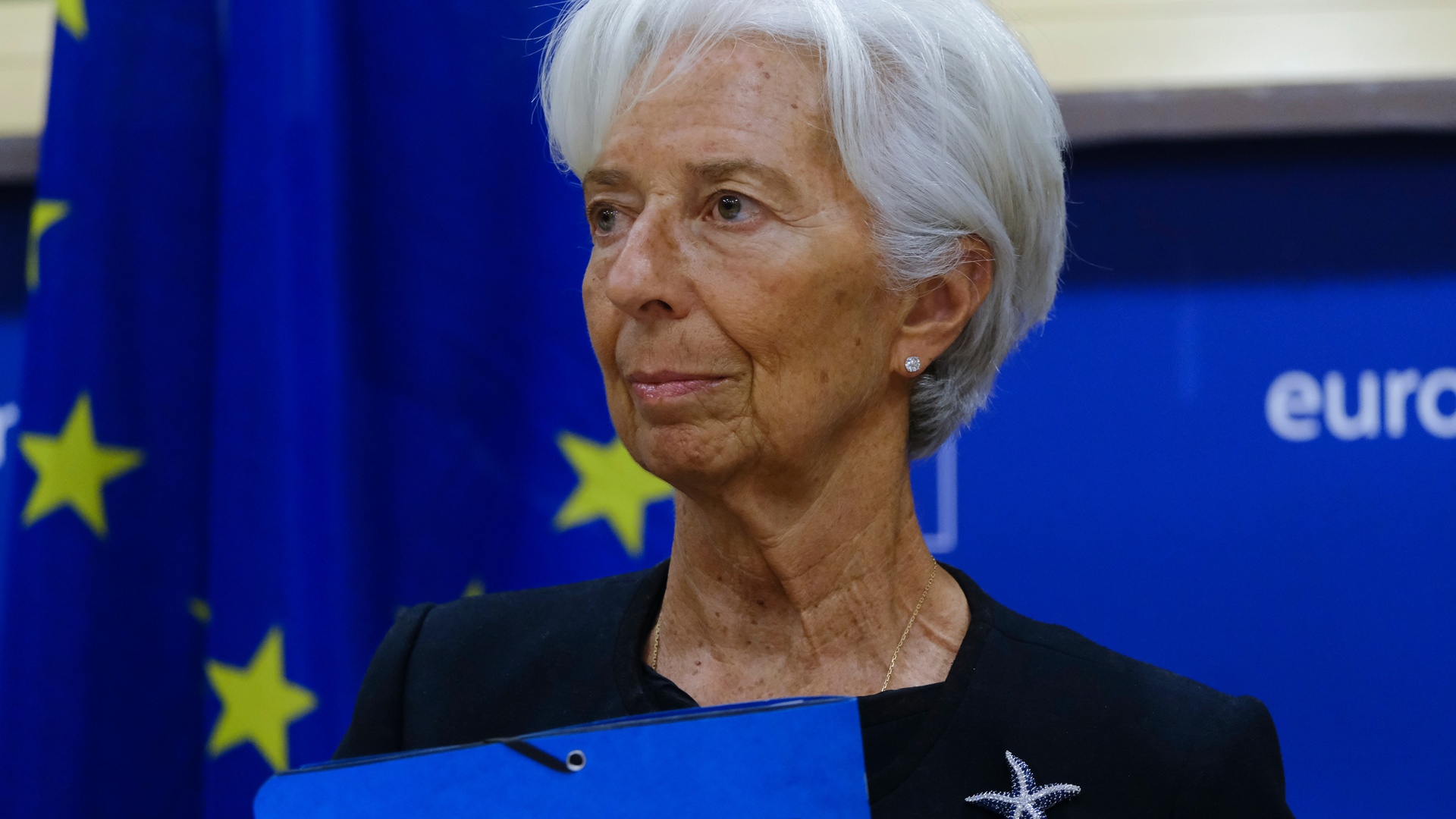
European Central Bank President Blocked Binance’s EU Entry: Report
Bitcoin Magazine European Central Bank President Blocked Binance’s EU Entry: Report European Central Bank President Christine Laga...
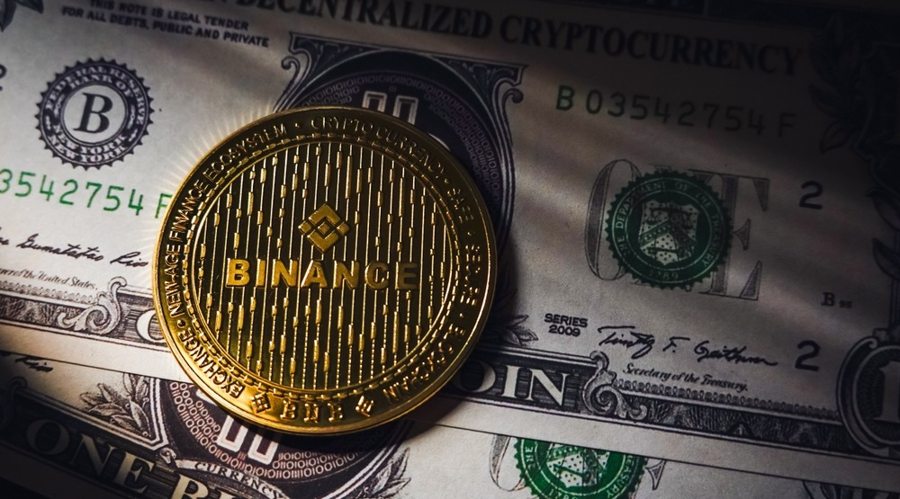
Binance Follows Bybit into 24/7 FX Perpetuals with 100x USD/BRL Contract
Binance is adding foreign exchange to its crypto derivatives platform, starting with a 24/7 perpetual contract linked to the US do...
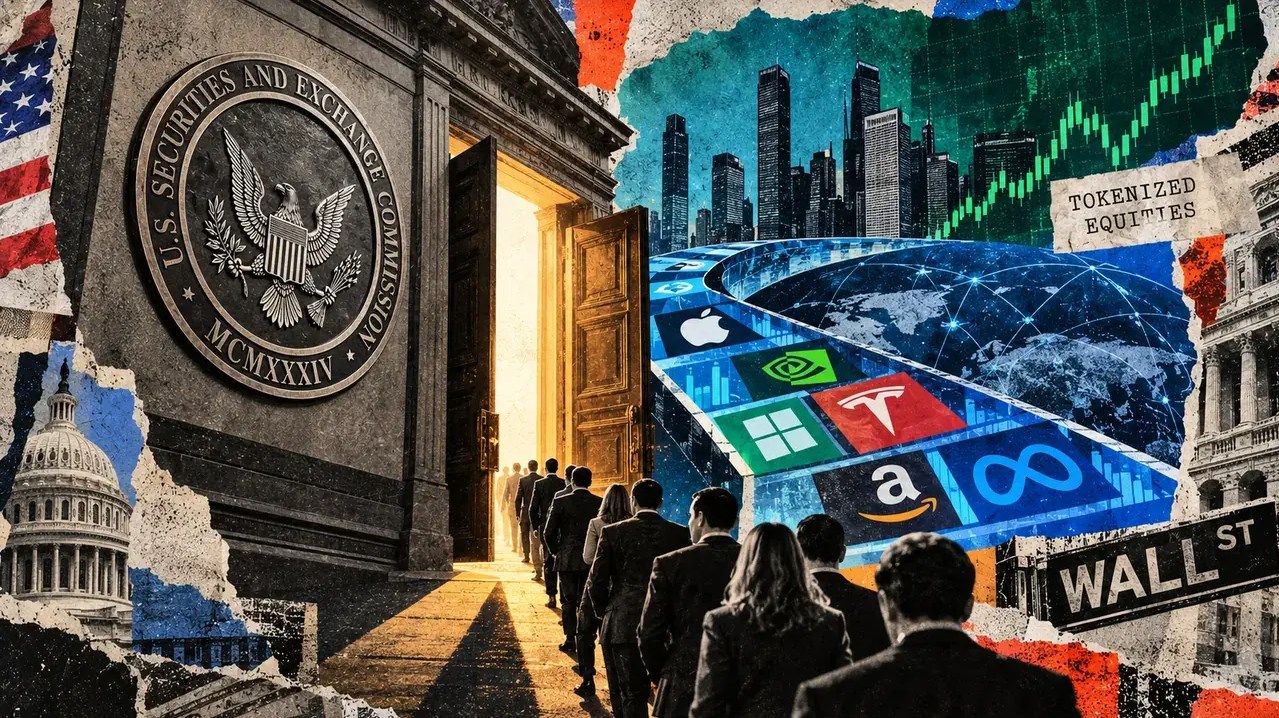
After Congress killed its landmark crypto bill, the SEC unlocked the $77 trillion US stock market through tokenization
The US Securities and Exchange Commission (SEC) has opened a five-year pathway for regulated US stocks to trade on blockchain-nati...
CFTC Sends Proposal To Regulate Crypto Transactions Following Clarity Act Fail
Bitcoin Magazine CFTC Sends Proposal To Regulate Crypto Transactions Following Clarity Act Fail The Commodity Futures Trading Comm...
Binance distributes $1.88 SPYB dividends to spot wallet holders
Binance's tokenized dividend model could reshape investor engagement, but regulatory scrutiny remains a significant hurdle for glo...
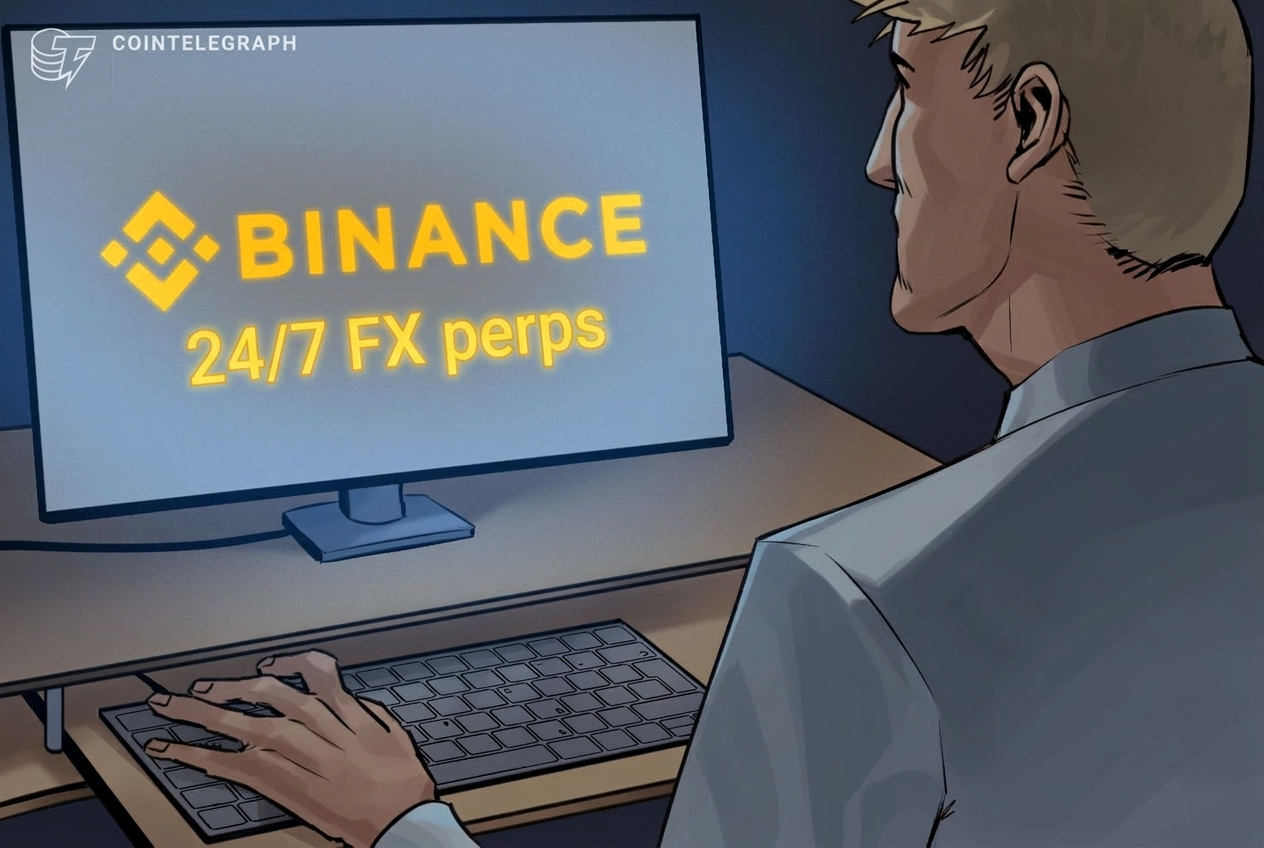
Binance launches 24/7 FX perps with weekend pricing system
Binance is joining a growing number of crypto exchanges offering around-the-clock exposure to foreign exchange markets through per...