Report Says Western Union Could Lose $400M if El Salvador’s Chivo Bitcoin Wallet Gains Traction, Tim Berners-Lee Weighs In
The Republic of El Salvador has made many headlines this week as the country adopted bitcoin as legal tender on Tuesday and became the first-known nation-state to purchase the leading crypto asset. A recent report detail...
Archive context
Older archive item. Useful for background and entity history, but not a fresh market-moving signal.
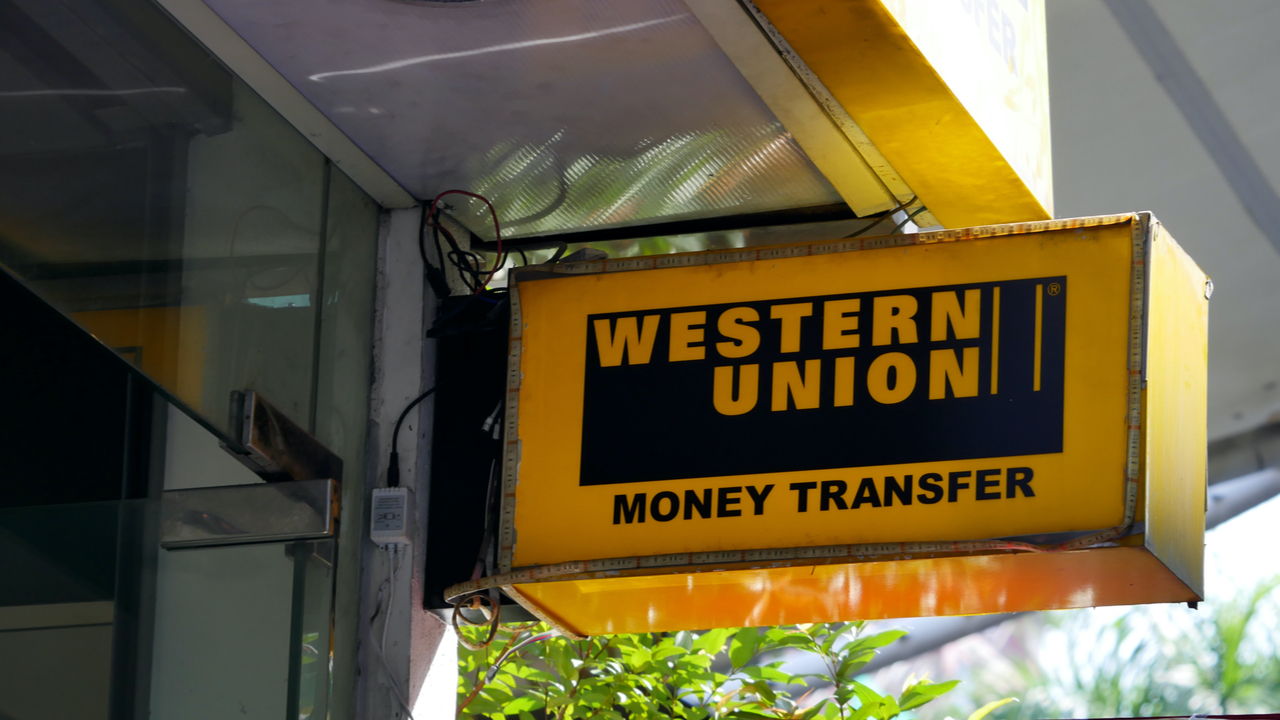
The Republic of El Salvador has made many headlines this week as the country adopted bitcoin as legal tender on Tuesday and became the first-known nation-state to purchase the leading crypto asset. A recent report details that remittance providers like Moneygram and Western Union could lose up to $400 million annually if the Chivo wallet is used more. Furthermore, the creator of the world wide web, Tim Berners-Lee has written an opinion piece about why Salvadoran president Nayib Bukele announced the bitcoin tender law at the Miami bitcoin conference.
Chivo Wallet Could Hurt Remittance Giants Like Moneygram and Western Union, Says Report
Ever since El Salvador adopted bitcoin (BTC) as legal currency on September 7, 2021, the country has continued to be a topic of discussion. Bitcoin.com News has reported on the many developments in El Salvador from ‘Bitcoin Beach’ to the ‘30for30’ trend that took place this week. Moreover, the country started buying mass quantities of bitcoin (BTC) before the legalization was implemented. The very next day, during the bitcoin (BTC) market rout, Salvadoran president Nayib Bukele said El Salvador “bought the dip.”
Salvadoran president Nayib Bukele.
Additionally, Bitcoin.com News reported on the government bitcoin wallet called Chivo and how the wallet had a number of launch issues during the launch day. However, the following day the ability to download the Chivo wallet was easier and Bukele said the wallet’s maintenance was completed. A recent report published by CNBC explains that if the Chivo wallet happens to gather mass adoption and removes remittance customers from financial institutions they could lose millions.
CNBC’s MacKenzie Sigalos reports that “should the population adopt bitcoin at scale,” there’s a chance that “Western Union and MoneyGram will lose $400 million a year in commissions for remittances.” In El Salvador, remittances make up 50% of a citizen’s total income and they make up close to a quarter of the country’s GDP. Sigalos highlights that roughly 70% of the population in El Salvador receives remittances. Sigalos reached out to Western Union and asked the company if it was worried about this possible transition. The reporter wrote:
Western Union did not reply to a CNBC request for comment about whether the company was worried about how this might affect business and if there was any plan to alter the fee structure to adjust for increased competition.
In addition to the reports of remittance firms being hurt by the Chivo wallet, numerous individuals have given their two cents on the El Salvador bitcoin adoption subject. On Wednesday, Bitcoin.com News covered the sentiment stemming from the famous whistleblower Edward Snowden as he said competing nations are now under pressure to acquire BTC as El Salvador did. Furthermore, the creator of the world wide web, Tim Berners-Lee has written about El Salvador adopting bitcoin as well.
Berners-Lee is well known for being one of the earliest reporters to cover the subject of bitcoin (BTC) when he wrote articles for Ars Technica. In his latest article published on fullstackeconomics.com discusses why he thinks president Bukele announced the new law at the Miami bitcoin conference. Berners-Lee explains critically and says: “It’s not clear if forcing merchants to adopt bitcoin will actually help people who lack banking services. Bitcoin requires Internet access, which is spotty in many parts of El Salvador. And bitcoin may prove too complex and cumbersome for everyday use,” the inventor of the world wide web stressed.
World wide web inventor and English computer scientist Tim Berners-Lee.
Berners-Lee articulated how the CEO of Strike, Jack Mallers, revealed the news at the conference during an “emotional and profanity-laden address.” Berners-Lee remarked that the announcement was made at an “unorthodox venue” and he highlighted that “Bukele’s own speech was rather vague about how bitcoin would help El Salvador.” The world wide web creator said it was “telling” how Bukele chose to make his announcement. Berners-Lee said:
It’s telling that Bukele chose to announce the initiative in English, at a Bitcoin conference in the United States, rather than addressing a domestic audience. One of his goals seems to be to get Bitcoiners around the world—some of whom are quite wealthy—to visit El Salvador and start businesses there.
Berners-Lee further said that there’s a chance that by becoming the “world’s most bitcoin-friendly jurisdiction” it just might lead to “a savvy tourism and business development strategy.” But the English computer scientist continued to criticize the concept and noted that Bukele’s experiment could hurt Salvadorans. “At the same time,” Berners-Lee wrote. “You can see why this might rub some Salvadorans the wrong way. Bukele’s experiment will impose real costs on small shopkeepers who may not be in the tourism business and may never see significant bitcoin business.”
What do you think about the possibility of the Salvadoran government’s Chivo wallet hurting big remittance providers like Moneygram and Western Union? What do you think about Tim Berners-Lee’s assessment of the bitcoin situation in El Salvador? Let us know what you think about this subject in the comments section below.
Why this matters
This bitcoin story adds another data point to the current market tape and is useful when read alongside nearby source coverage.
Original source
Read on Bitcoin NewsRelated market context

FinCEN Withdraws Proposed Crypto Mixer and Unhosted Wallet Reporting Rules
The Financial Crimes Enforcement Network (FinCEN) is withdrawing two proposed crypto rules that would have required banks and othe...

Chainalysis reports 43-fold surge in China’s P2P stablecoin wallets
China's P2P stablecoin surge highlights the resilience of decentralized finance, challenging regulatory control and reshaping econ...

US Treasury drops proposed reporting rules for unhosted wallets and crypto mixers
The withdrawal may boost decentralized finance, reduce compliance burdens, and signal a more favorable regulatory climate for cryp...

Changer+ Launches Stablecoin-First Self-Custodial Wallet to Make Stablecoins Easier to Use
Singapore, Singapore, October 6th, 2026, Chainwire Multi-chain stablecoin wallet combines simpler transfers, flexible gas-fee opti...
Strategy Reports Quarterly Profit on Bitcoin Rally
Bitcoin Magazine Strategy Reports Quarterly Profit on Bitcoin Rally Bitcoin treasury Strategy is back in the black after the risin...
Treasury Drops Crypto Wallet Surveillance Rules
FinCEN withdrew the 2020 unhosted wallet reporting proposal and its 2023 finding that crypto mixing is a primary money laundering...