Satoshi-Era Bitcoin Wallet Moves 600 BTC After 16 Years
A Satoshi-era Bitcoin wallet has moved 600 BTC after more than 16 years of dormancy, drawing fresh attention to one of the market’s favorite on-chain signals: old coins waking up. The wallet dates back to 2010, when Bitc...
Archive context
Older archive item. Useful for background and entity history, but not a fresh market-moving signal.

A Satoshi-era Bitcoin wallet has moved 600 BTC after more than 16 years of dormancy, drawing fresh attention to one of the market’s favorite on-chain signals: old coins waking up.
The wallet dates back to 2010, when Bitcoin mining rewards were still 50 BTC per block and the network was tiny compared with today. The 600 BTC transferred on September 6 was worth about $47.7 million at the time of the move.
On-chain data shows the coins were consolidated into two Native SegWit addresses, with no confirmed movement to centralized exchange deposit wallets.
That last point matters. A dormant-wallet move is interesting, but it does not automatically mean a whale is preparing to sell.
For more details, visit the official Mempool platform.
TL;DR- A 2010 Bitcoin wallet moved 600 BTC after 16 years of inactivity.
- The funds were worth roughly $47.7 million.
- There is no confirmed evidence the coins were sent to an exchange.
Bitcoin has a long memory.
Coins mined or acquired in the early years carry a special weight because they come from a time when almost nobody believed the network would become a global financial asset. When those coins move, traders pay attention.
Sometimes the reason is simple wallet maintenance. Sometimes it is inheritance planning. Sometimes it is custody migration. Sometimes it is a sale.
The problem is that the chain rarely tells us intent.
It shows movement, timing, inputs, outputs, and address history. It does not tell us what the holder plans to do next unless the funds move to a known exchange, custody platform, or sale-related address.
That is why the latest move needs a measured read.
Not A Satoshi ClaimThe phrase “Satoshi-era” can be misleading if used carelessly.
It means the coins are from Bitcoin’s earliest period. It does not mean the wallet belongs to Satoshi Nakamoto. There is no public cryptographic proof connecting this address to Bitcoin’s creator.
That distinction is essential.
Old coins are fascinating, but attaching Satoshi’s name to every early wallet is bad analysis. Many miners were active in 2010, and some still hold coins from that era.
This is an early Bitcoin wallet movement, not a confirmed Satoshi wallet movement.
Consolidation Is Different From SellingThe movement into two Native SegWit addresses suggests consolidation or wallet migration.
Native SegWit addresses are modern Bitcoin address formats that can improve transaction efficiency and fee handling. Moving old coins into newer address types can be part of ordinary custody housekeeping.
That does not rule out future selling.
But it does mean the first move does not show exchange liquidation by itself. Traders would need to see a follow-up transfer to known exchange wallets before treating it as immediate sell pressure.
Why Dormant Supply MattersDormant Bitcoin supply is one of the market’s most watched long-term metrics.
When old coins stay still, it suggests long-term holders remain patient. When old coins move, analysts ask whether conviction is changing. The older the coins, the more attention the movement receives.
That is why a 16-year dormant wallet moving 600 BTC makes headlines.
It is not because 600 BTC alone will necessarily move the market. It is because the age of the coins makes the transaction symbolically powerful.
The Market ReadThe latest move is a notable on-chain event, not proof of a market dump.
A 2010 wallet transferred 600 BTC, worth tens of millions of dollars, after 16 years of inactivity. The funds appear to have moved into modern Bitcoin addresses rather than confirmed exchange deposit wallets.
That gives analysts something to watch, but not enough to panic over.
The next step is tracking whether the coins remain parked, move again, or eventually reach an exchange. Until then, this is best understood as an old-wallet wakeup — interesting, rare, and worth watching, but not a confirmed sell signal.
This article draws on public Bitcoin on-chain data from Mempool.space and Blockchair.
This article was written by the News Desk and edited by Samuel Rae.
Why this matters
Bitcoin is showing up inside the Mining theme, so this story is worth tracking for follow-through rather than treating it as a one-off headline.
Original source
Read on NewsBTCRelated market context
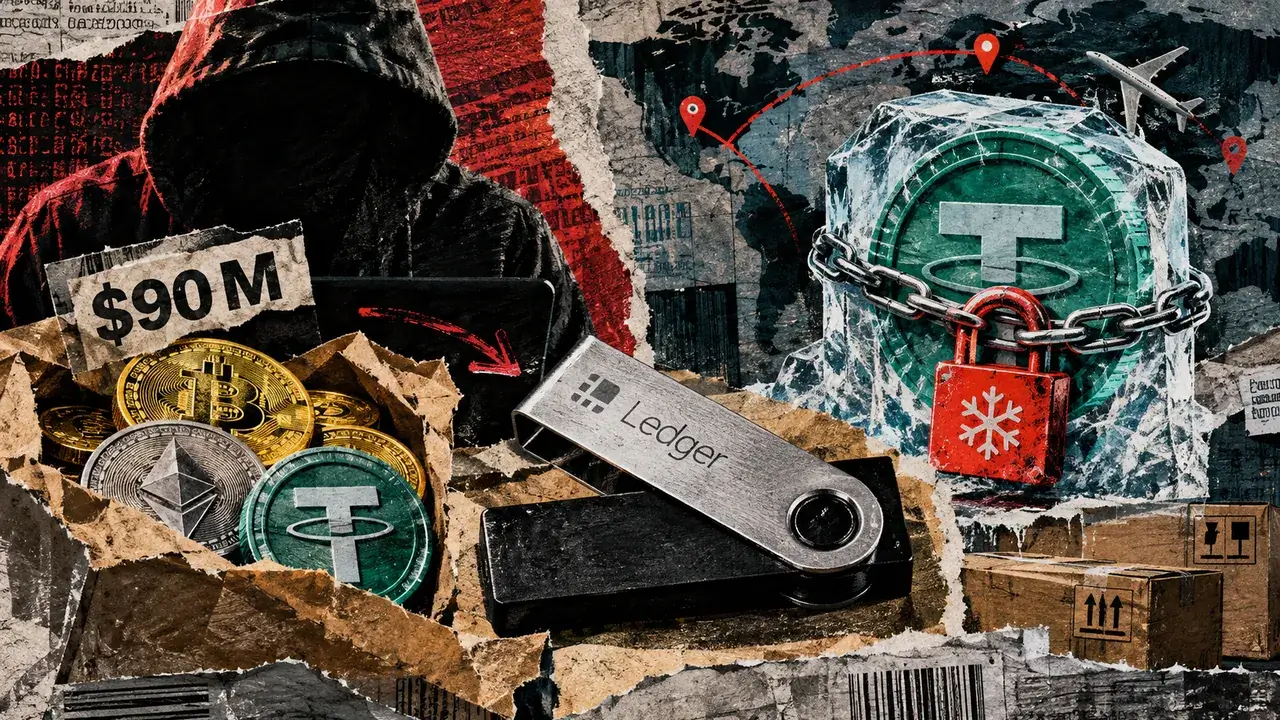
Ledger hack scare nears $90 million as Tether moves to freeze stolen USDT
Suspected Ledger wallet thefts are approaching $90 million as Tether freezes USDT stablecoin linked to the incident, according to...

U.S. Government Sends $1 Billion in Seized Bitfinex Bitcoin to Unlabeled Wallets
A wallet holding bitcoin stolen in the 2016 Bitfinex hack sent 12,267 BTC, worth about $1.01 billion, to new addresses on Thursday...

Dormant Ethereum address holding 12,746 ETH wakes up after 10.2 years
The reactivation of dormant Ethereum wallets highlights potential market shifts, as early holders may choose between selling or st...

What Is Crypto Spot Trading?
For example, a token can be up 70% and still be a terrible trade if you have no idea when to take profits. Likewise, a 30% dip can...
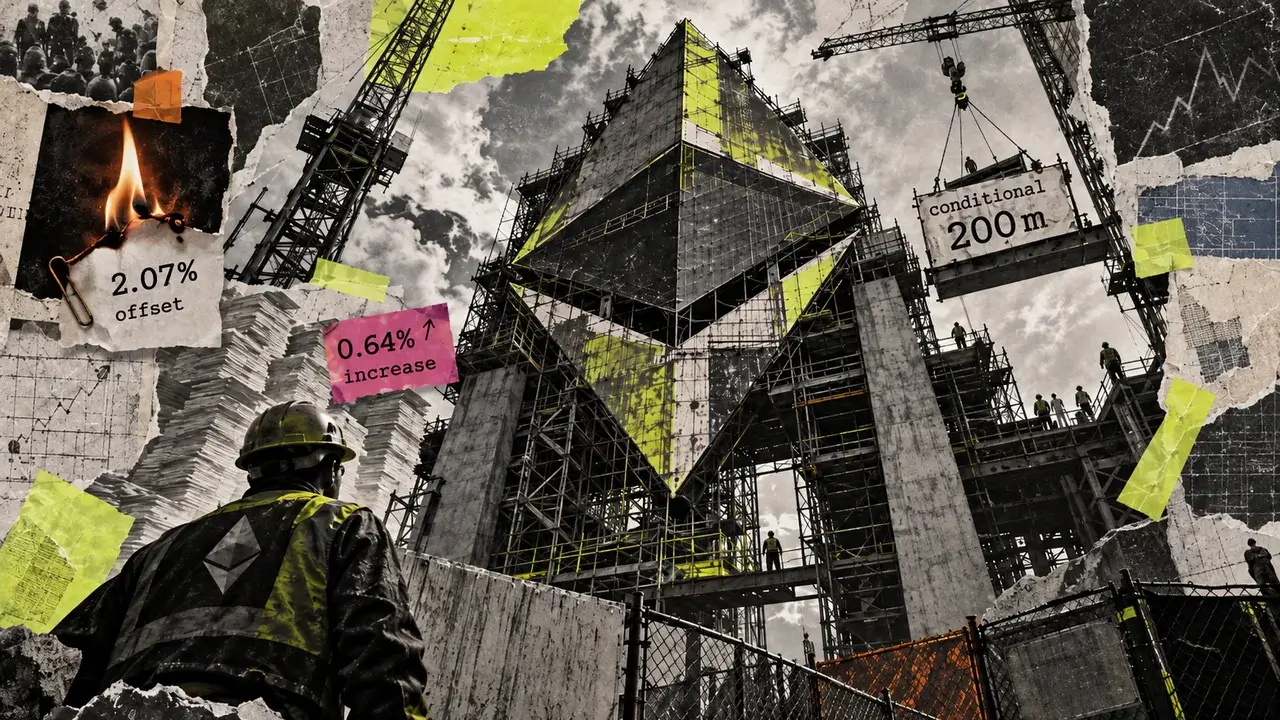
ETH fee burns cover just 2% of new coins printed in 2026
Ethereum's transaction fees have burned enough ETH to offset just 2.07% of the new coins issued in 2026, according to an Oct. 9 su...

Samsung Wallet Brings USDC to 82M Galaxy Devices With Coinbase, Solana and Sui Support
Key Takeaways: Samsung Wallet will support 82 million U.S. Galaxy to add transfers on USDC. Coinbase will keep USDC in their Coinb...