SEC Charges American Bitcoin Academy's Founder with $1.2M Fraud
The Founder of the American Bitcoin Academy is facing scrutiny from the Securities and Exchange Commission (SEC) over allegations of fraud targeting his students.Based in Hurricane, Utah, and later Puerto Rico, Brian Sew...
Archive context
Older archive item. Useful for background and entity history, but not a fresh market-moving signal.

The Founder of the American Bitcoin Academy is facing scrutiny from the Securities and Exchange Commission (SEC) over allegations of fraud targeting his students.
Based in Hurricane, Utah, and later Puerto Rico, Brian Sewell enticed hundreds of students into investing in his Rockwell Fund. He touted groundbreaking investment strategies based on artificial intelligence and machine learning, promising lucrative returns in the volatile crypto market, the regulator said.
Unmasking a Fraudulent Scheme
However, investigations revealed that Sewell never launched the fund nor implemented the advanced technologies he flaunted. The SEC alleged that 15 students, lured by Sewell's promises, had invested $1.2 million into the non-existent hedge fund.
Gurbir Grewal, the Director of the SEC's Division of Enforcement, mentioned: "We allege that Sewell defrauded students in his online American Bitcoin Academy of over a million dollars through a series of lies about investment opportunities in his purported crypto hedge fund."
"Among other things, he falsely claimed that his investment strategies would be guided by his own 'artificial intelligence' and 'machine learning' technology, which, like the fund itself, never existed. Whether it's AI, crypto, DeFi, or some other buzzword, the SEC will continue to hold accountable those who claim to use attention-grabbing technologies to attract and defraud investors."
Failure to Safeguard Investments
Instead of fulfilling his commitments, Sewell purportedly retained the funds in Bitcoin, which were subsequently stolen when his digital wallet fell victim to hacking. The SEC's complaint, filed in the U.S. District Court for the District of Delaware, charges Sewell and Rockwell Capital Management with violating antifraud provisions of federal securities laws.
According to the securities watchdog, Sewell and his company consented to injunctive relief without admitting or denying the allegations. Rockwell Capital Management agreed to pay $1,602,089 in addition to prejudgment interest, while Sewell faces a civil penalty of $223,229, pending court approval.
Recently, the SEC attributed the unauthorized post declaring the approval of Bitcoin ETFs to a "SIM swap" attack involving an unauthorized transfer of a mobile phone number to a different device. This security breach, which occurred externally through a telecommunications network, sparked a widespread frenzy within the cryptocurrency sector.
This article was written by Jared Kirui at www.financemagnates.com.Why this matters
This bitcoin story adds another data point to the current market tape and is useful when read alongside nearby source coverage.
Original source
Read on Finance MagnatesRelated market context

Florida judge orders Fundsz promoters to pay over $30 million in crypto fraud case
The ruling highlights the critical need for stringent oversight in crypto markets to protect investors and deter fraudulent scheme...

Ripple Tokenizes Brazilian Investment Fund & Real Estate Records On XRP Ledger
In a major development confirmed on SEPTEMBER 30, 2026, Confirmed announcement/filing for Ripple Tokenizes Brazilian Investment Fu...

Brazilian Depository With $4.2 Trillion in Assets Taps XRP Ledger to Mirror Fund Shares
CSD BR, a Brazilian central securities depository with more than 22 trillion reais (about $4.2 trillion) in registered assets, wil...
CFTC secures over $30 million judgment against defendants in Fundsz fraud case
The CFTC secured a win in court after the agency said two defendants participated in a crypto scheme that they then tried to walk...

HANetf Debuts Euro-Hedged Bitcoin Fund in World First
Bitcoin Magazine HANetf Debuts Euro-Hedged Bitcoin Fund in World First A new bitcoin exchange-traded fund has hit Europe — with a...
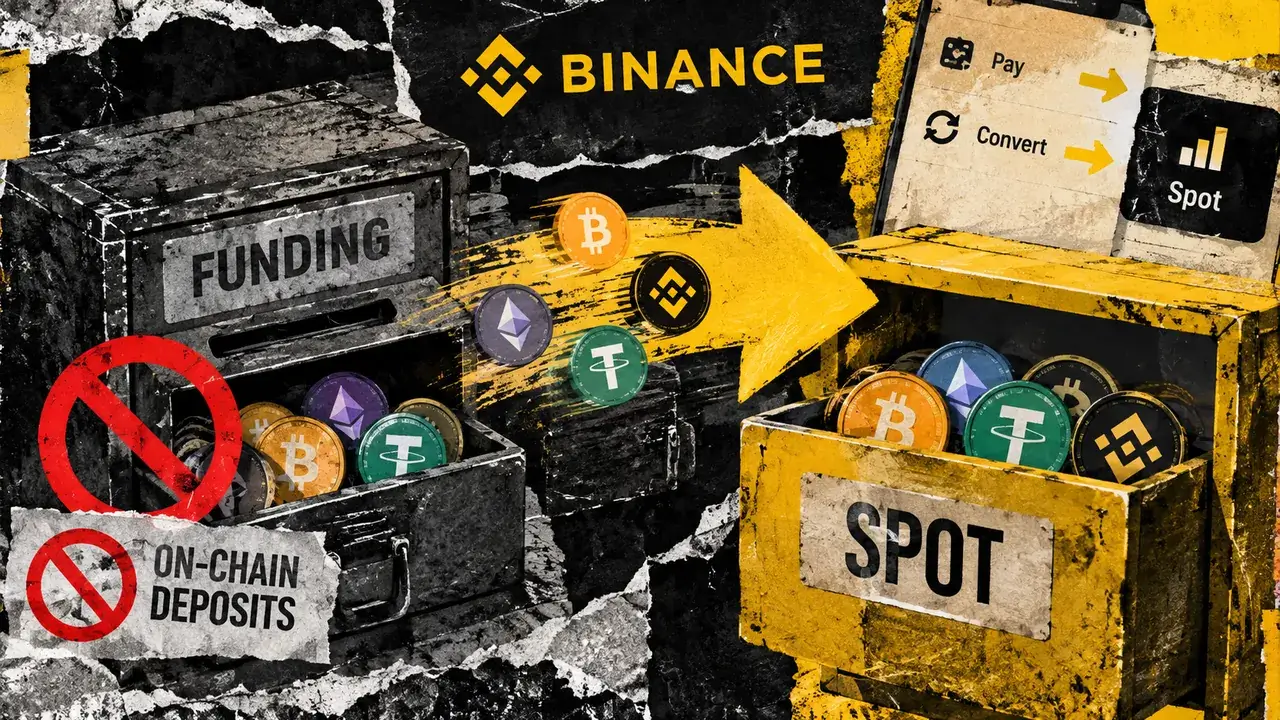
Binance ends Funding Account crypto deposits as Pay and Convert move to Spot
From Sept. 29, Binance says Funding Accounts no longer accept direct on-chain crypto deposits. Users depositing crypto must use Sp...