SEC Extends Decision Deadline for Valkyrie Bitcoin ETF to 2022
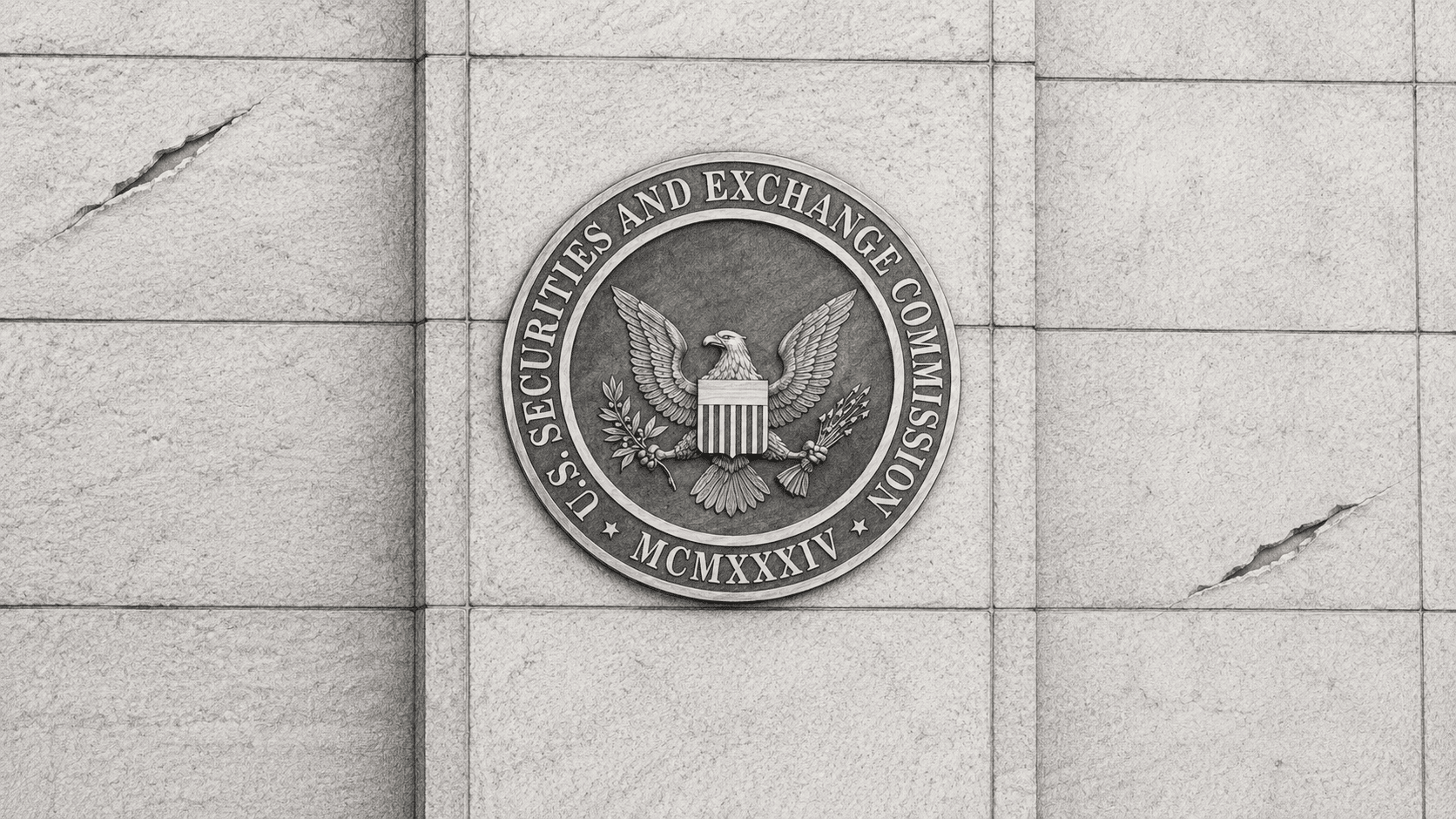
The Securities and Exchange Commission (SEC) has delayed the deadline for a decision on the proposed Valkyrie Bitcoin Fund to January 7, 2022. “The Commission finds that it is appropriate to designate a longer period wit...
Archive context
Older archive item. Useful for background and entity history, but not a fresh market-moving signal.

The Securities and Exchange Commission (SEC) has delayed the deadline for a decision on the proposed Valkyrie Bitcoin Fund to January 7, 2022.
“The Commission finds that it is appropriate to designate a longer period within which to issue an order approving or disapproving the proposed rule change so that it has sufficient time to consider the proposed rule change and the issues raised in the comment letters that have been submitted,” the SEC said in a statement.
This is not the first time the Valkyrie Bitcoin Fund has faced a delay in the SEC’s approval period, which was most recently delayed in June of this year.
Financial services firm Valkyrie Funds LLC is at the crux of the United States’ recent pivot to Bitcoin exchange-traded funds (ETFs), having gained approval for its Bitcoin futures ETF—the Valkyrie Bitcoin Strategy ETF—after the ProShares and VanEck futures ETFs first gained approval with the SEC.
The Valkyrie Bitcoin Fund, however, is a Bitcoin spot ETF, meaning it faces a different approval procedure from the SEC, and faces a different regulatory challenge.
The Valkyrie Bitcoin FundThe Valkyrie Bitcoin Fund is the company’s Bitcoin spot ETF, meaning the fund gives customers shares backed by the underlying asset—in this case, Bitcoin.
That is fundamentally different from futures ETFs like the Valkyrie Bitcoin Strategy ETF, which gives customers shares tied to a bundle of contracts to buy Bitcoin in the future.
Given the difference between the two, the Valkyrie Bitcoin Fund is facing a different road to potential approval than its futures counterpart.
https://twitter.com/jeffjohnroberts/status/1449060924128743426?s=20
When it comes to futures ETFs, the SEC operates on a “negative consent” model, which means a company’s futures ETF gains approval if the SEC doesn’t object to the product during the necessary time period.
Spot ETFs on the other hand, need affirmative approval from the SEC.
Why this matters
This bitcoin story adds another data point to the current market tape and is useful when read alongside nearby source coverage.
Original source
Read on DecryptRelated market context

Spot Bitcoin ETFs see $241M in net inflows for third straight week
Sustained inflows into spot Bitcoin ETFs could stabilize market prices, but concentration in a few funds may mask broader investor...
SEC Clears Cboe to List Volatility Shares’ 3x Bitcoin and Ether Funds
The U.S. Securities and Exchange Commission approved a Cboe BZX Exchange rule change on Oct. 2 that clears the exchange to list si...

Bitcoin ETFs Bring in $241M To Kick Start ‘Uptober’
Bitcoin Magazine Bitcoin ETFs Bring in $241M To Kick Start ‘Uptober’ Investors bought over $241 million in U.S. bitcoin exchange-t...

Coinbase’s Ryan VanGrack: CFTC Approval “Opens Many Doors” for Bitcoin
Bitcoin Magazine Coinbase’s Ryan VanGrack: CFTC Approval “Opens Many Doors” for Bitcoin The SEC’s proposed custody rules could mak...

Bitcoin’s $85,000 recovery awaits proof that ETF investors kept buying after payrolls
Bitcoin's recovery above $85,000 faces a demand test after a sharp fall in bets on another Federal Reserve rate hike. A new post-p...
CFTC Seeks Public Input on Proposed Retail Crypto Regulatory Framework
The US Commodity Futures Trading Commission has opened a consultation on rules for retail commodity transactions involving crypto...