Sen. Lummis Reintroduces the BITCOIN Act: Bitcoin Jumps 6%
“Today, I am proud to reintroduce landmark legislation that will codify President Trump’s bold vision to establish the United States Strategic Bitcoin Reserve and strengthening our nation’s economic foundation for genera...
Archive context
Older archive item. Useful for background and entity history, but not a fresh market-moving signal.

“Today, I am proud to reintroduce landmark legislation that will codify President Trump’s bold vision to establish the United States Strategic Bitcoin Reserve and strengthening our nation’s economic foundation for generations to come. Bitcoin is not simply a technological opportunity, but a national imperative for America’s continued financial leadership in the 21st century. By transforming the president’s visionary executive action into enduring law, we can ensure that our nation will harness the full potential of digital innovation to address our national debt while maintaining our competitive edge in the global economy. Together, we are not just adapting to the future – we are actively shaping it, writing the next chapter in America’s proud history of financial innovation and securing lasting prosperity for all our citizens.”
— Senator Cynthia Lummis
on introducing the Boosting Innovation, Technology, and Competitiveness through Optimized Investment Nationwide (BITCOIN) Act
The BITCOIN Act already has five Republican cosponsors in the Senate, including Jim Justice (R-WV), Tommy Tuberville (R-AL), Roger Marshall (R-KS), Marsha Blackburn (R-TN), and Bernie Moreno (R-OH). Moreno, a newly elected senator from Ohio, benefited significantly from the support of pro-crypto super PACs in his campaign. Meanwhile, Rep. Nick Begich (R-AK) is preparing to introduce a matching bill in the House of Representatives.
Senator Cynthia Lummis, with Bitcoin Laser Eyes from her personal X account
A New Era for Bitcoin in Washington?If enacted, Lummis’ bill would require the U.S. government to accumulate one million BTC—currently valued at approximately $80 billion—over the next five years. The ambitious initiative would be funded, in part, by profits generated by the Federal Reserve.
A key provision of the bill mandates the Treasury Secretary to create “a decentralized network of secure Bitcoin storage facilities” across the country, ensuring that the reserve remains secure and insulated from cybersecurity threats. All Bitcoin acquired under this program would be stored in cold wallets, preventing remote access and reducing counterparty risk.
Additionally, the plan involves issuing new certificates for the Federal Reserve’s gold holdings at updated market prices. The Treasury Department would then use the price difference between old and new certificates to finance the Bitcoin acquisition.
Strategic HODLing: The U.S. Commits to Long-Term Bitcoin HoldingsUnder the BITCOIN Act, any Bitcoin acquired would have to be held for a minimum of 20 years before it could be sold, making this a long-term strategic play rather than a short-term speculative investment. The bill also limits how much BTC can be sold at any given time, prohibiting any Treasury Secretary from offloading more than 10% of the reserve within a two-year window.
This cautious, long-term holding strategy contrasts with the White House’s stance on Bitcoin reserves. While President Trump’s executive order establishing a federal Bitcoin reserve signaled a major policy shift, his administration has stated that Bitcoin should be held indefinitely to generate “long-term value” rather than be used as a speculative asset for quick financial gains.
Bitcoin was up 6% overnight after falling to a low of $78,000, Source: Bitcoin Liquid Index
The Bigger Picture: Bitcoin as a U.S. Strategic AssetLummis’ bill marks a watershed moment for Bitcoin’s place in U.S. economic strategy. It effectively positions Bitcoin as a national reserve asset alongside gold, further legitimizing it in the eyes of policymakers. The White House has already stated that Bitcoin is unique among digital assets due to its decentralization, security, and lack of an issuer—justifying its exclusive status in the U.S. reserve strategy.
However, unlike the Trump administration’s more cautious, budget-neutral approach, Lummis’ plan aggressively expands the government’s Bitcoin holdings, suggesting that some lawmakers see Bitcoin as more than just a hedge—it’s an outright financial weapon in an era of global monetary uncertainty.
With crypto-friendly lawmakers gaining traction in Washington, the BITCOIN Act could be the first step toward Bitcoin becoming a core pillar of U.S. economic and monetary policy. Whether the bill gains bipartisan support remains to be seen, but one thing is clear: Bitcoin’s role in national finance is no longer hypothetical—it’s becoming policy.
Why this matters
This bitcoin story adds another data point to the current market tape and is useful when read alongside nearby source coverage.
Original source
Read on Brave New CoinRelated market context
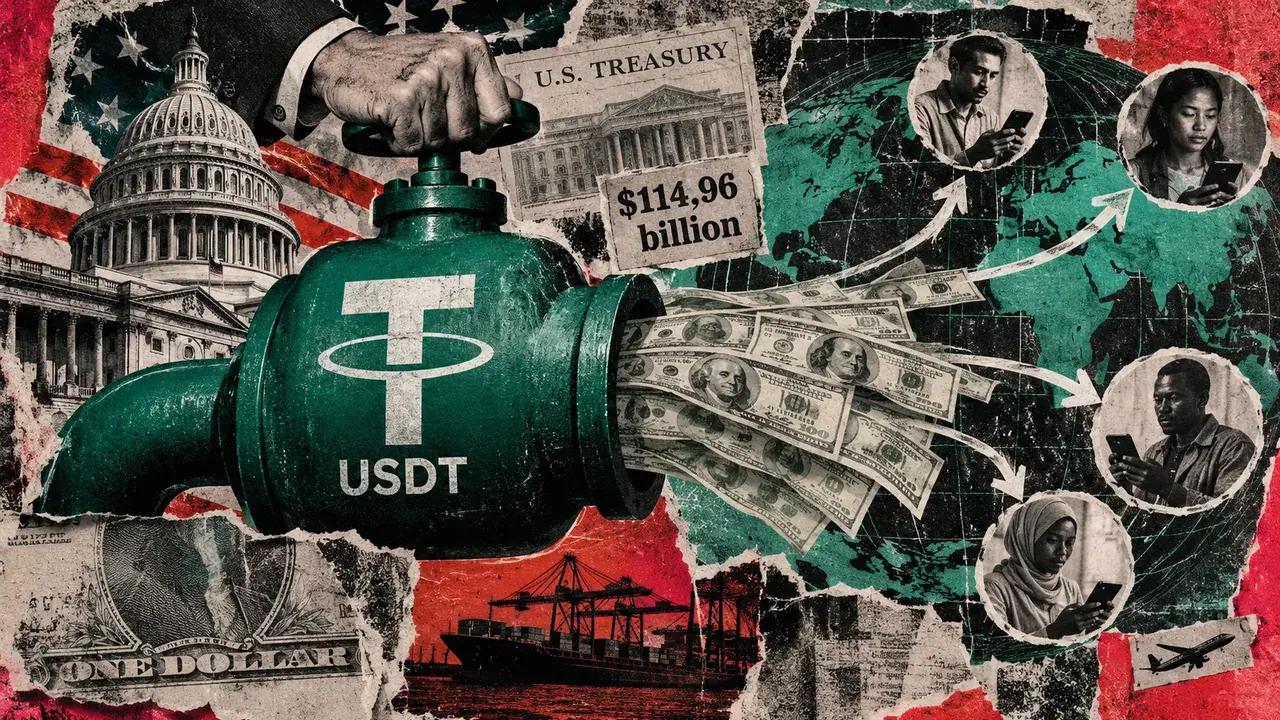
Washington has $114 billion reasons to want Tether around
Not that long ago, Washington fined Tether for misleading people about the dollars behind its tokens. Today, the company's insatia...
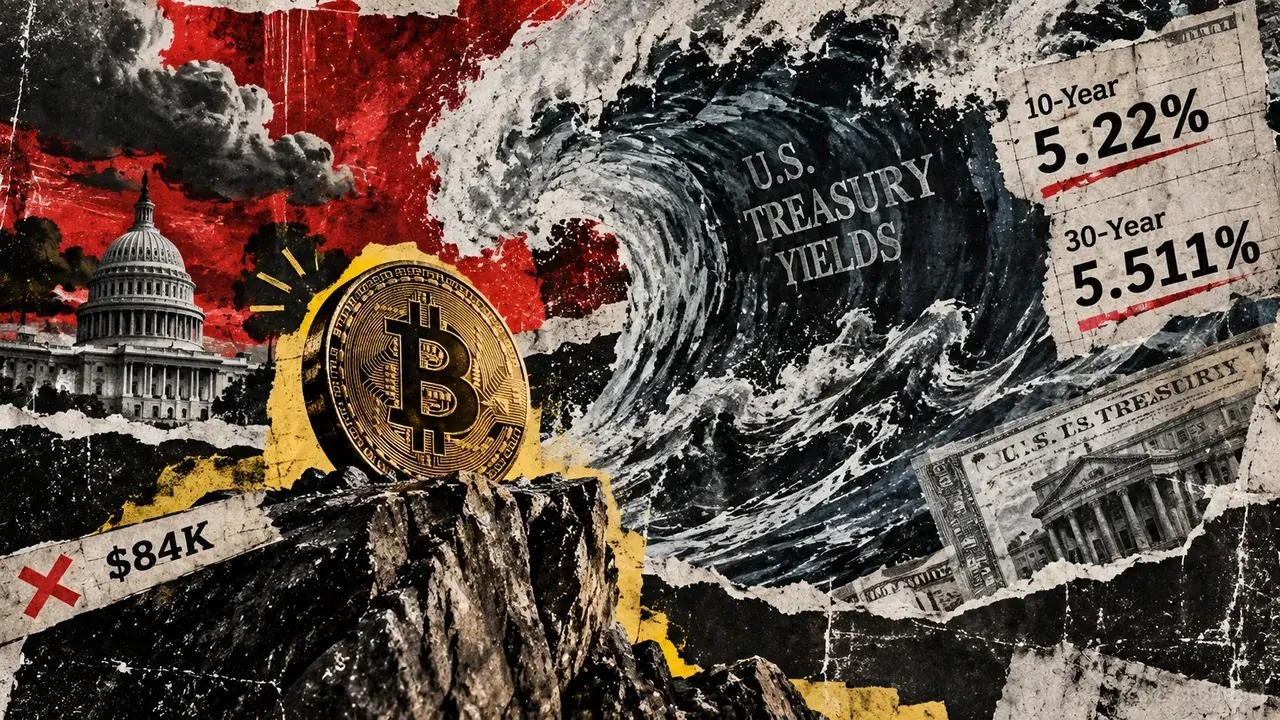
Bitcoin survives a 5.2% Treasury shock as traders slash $1.7 billion in leverage
Bitcoin is holding near $84,000 even as a historic US bond selloff pushes Treasury yields to decades-high levels. The benchmark 10...

Kraken’s parent Payward is betting billions on becoming financial infrastructure, not just a crypto exchange
Kraken parent Payward is unifying trading, payments, asset management and institutional services on common rails, co-CEO Arjun Set...

Strategy’s Michael Saylor proposes bill of digital rights for future economy
Saylor's digital rights proposal could democratize capital access, fostering innovation and competition by reducing reliance on tr...

The NFT party is over and everybody now owes storage rent
In 2021, Christie's sold a Beeple NFT for $69.35 million, and Sotheby's took another $24.40 million for 101 Bored Ape Yacht Club N...

Bitcoin, NASDAQ futures fall as Trump hints at more Iran strikes
Geopolitical tensions heighten market volatility, prompting risk aversion and impacting both traditional and digital asset investm...