South Carolina Delegation Goes On Bitcoin Exploratory Trip To El Salvador
A group of business leaders along with the South Carolina State Treasurer traveled to El Salvador to learn about the country’s adoption of bitcoin.This is an opinion editorial by Dennis Fassuliotis, founder of South Caro...
Archive context
Older archive item. Useful for background and entity history, but not a fresh market-moving signal.
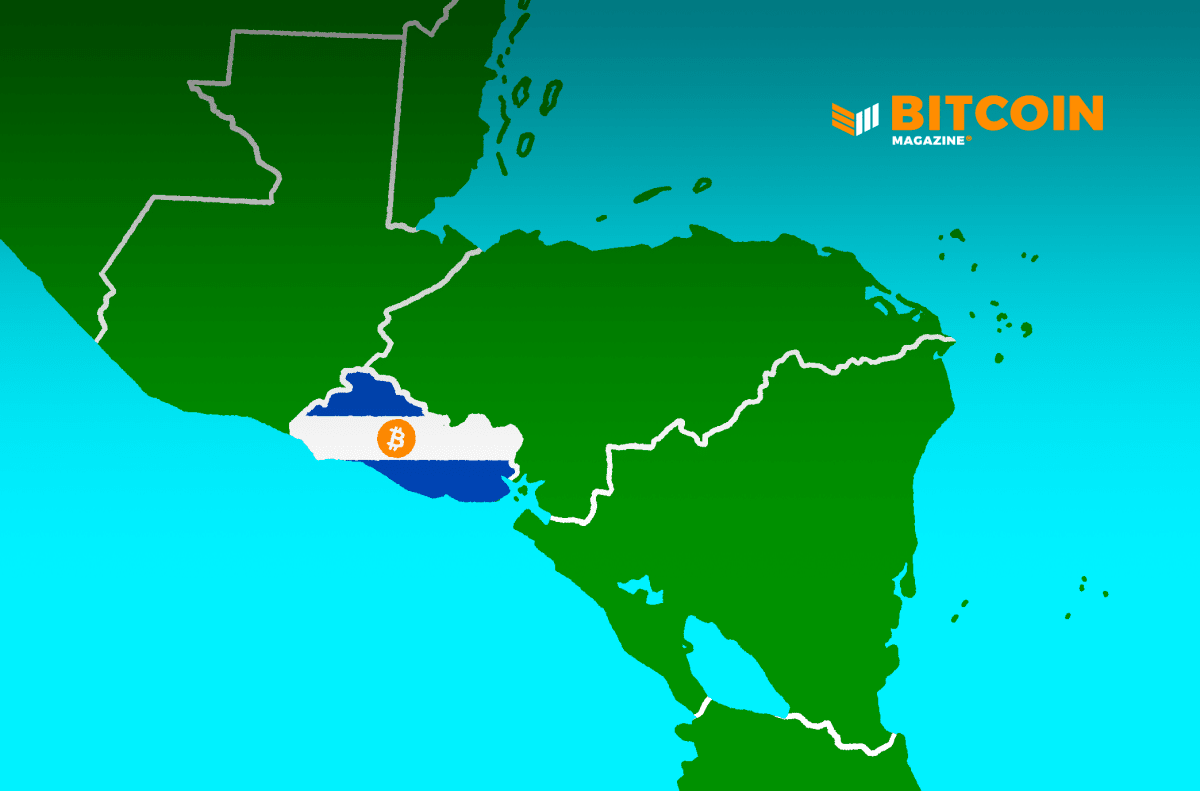
A group of business leaders along with the South Carolina State Treasurer traveled to El Salvador to learn about the country’s adoption of bitcoin.
This is an opinion editorial by Dennis Fassuliotis, founder of South Carolina Blockchain Inc. and co-founder of South Carolina Emerging Technology Association, Inc.
A South Carolina delegation made up of a diverse group of business leaders, rural health officials and individuals interested in the expansion of bitcoin, including State Treasurer Curtis Loftis, recently returned from an exploratory trip to El Salvador, the first country in the world to adopt bitcoin as legal tender.
During their five-day visit, the group traveled from one side of the country to the other as they gathered information, met with government officials and sought to understand the changes this Central American country has made to embrace bitcoin and educate its citizens about its use.
“What we witnessed in El Salvador is very useful in our efforts to encourage more support and understanding for digital assets and emerging technologies here in South Carolina,” said Dennis Fassuliotis, President of the South Carolina Emerging Technologies Association (SCETA). “We heard multiple stories about how street vendors have embraced this technology and significantly grown their businesses as a result. While there are a number of variables to consider, it’s exciting to ponder the prospects of how South Carolinians, especially those in our rural communities, might also benefit from using Bitcoin.”
The State Treasurer participated in the fact-finding trip as his office was recently charged by the General Assembly to explore the growing development and potential adoption of digital assets and identify ways stakeholders across the state — including individuals, private businesses and state and local government entities — can benefit from the expanded use of these technologies.
During the visit, Treasurer Loftis and the delegation met with government officials about the country’s adoption of bitcoin. They also observed the Mi Primer Bitcoin education program first hand and participated with the teachers and industry experts from around the world, administering a final exam to the students completing a 10-week financial literacy program that included how to use bitcoin for daily transactions and commencement ceremonies.
“El Salvador is a rapidly evolving country that has taken an aggressive approach to transform a largely unbanked population into one that is now embracing the use of Bitcoin,” said Treasurer Loftis. “My goal was to see how this bold initiative was working, and I was pleasantly surprised.”
In a country racked by four generations of civil strife, governmental changes and the exodus of almost 25% of its population for better lives elsewhere, the government’s efforts to revive its economy is beginning to show positive results as it marked the one-year anniversary of making bitcoin legal tender. The number of Salvadorans using bitcoin for everyday purchases is expected to rise as the government institutes new policies and procedures to clarify and expand usage.
“When I spoke with many of the small business owners, they remain interested in bitcoin usage and are hoping that its expansion will continue for the foreseeable future,” Loftis added.
A presentation capturing the efforts in El Salvador as well as Treasurer Loftis’ insights about digital assets’ potential impact on the Palmetto State are just part of an exciting agenda planned for the South Carolina Bitcoin Blockchain Conference in Charleston. Individuals representing some of the brightest minds in the Bitcoin industry will be sharing their insights on Bitcoin’s impact on energy, education, economic development, banking and more.
No state tax dollars were used to fund Treasurer Loftis’ trip. He paid for his trip with personal funds.
This is a guest post by Dennis Fassuliotis. Opinions expressed are entirely their own and do not necessarily reflect those of BTC Inc or Bitcoin Magazine.
Why this matters
This bitcoin story adds another data point to the current market tape and is useful when read alongside nearby source coverage.
Original source
Read on Bitcoin MagazineRelated market context
NIP Group Signs Bitcoin Miner Purchase To Add 4.47 Exahash Of Capacity
TL;DR: NIP Group has agreed to purchase already deployed Bitcoin mining machines with about 4.47 EH/s of hash rate, subject to clo...
Crypto Industry Group Pushes Congress For Small-Payment Tax Relief And Clearer Rules
TL;DR: The Blockchain Association has asked congressional leaders to advance bipartisan crypto tax changes, including a de minimis...
Chainlink And LG CNS Target South Korean Banks With Digital Asset Infrastructure Deal
TL;DR: Chainlink and LG CNS are partnering on oracle and cross-chain infrastructure aimed at South Korea’s financial institutions;...
South Korea set to delay crypto gains tax to 2029, marking fourth postponement since 2020
The delay in South Korea's crypto tax may boost investor confidence but highlights ongoing regulatory and infrastructure challenge...

Stripe and Plasma plan stablecoin cards for 100-plus countries by 2027
Stripe and Plasma's stablecoin cards could revolutionize global transactions, reducing fees and delays, and enhancing financial in...

Phantom Starts a Staged US Launch of In-Wallet Prediction Markets
US users of Phantom can now trade prediction markets in the wallet, under a staged launch that began Friday and runs through Kalsh...