Strike Arrives in Argentina With USDT Support, No Bitcoin Integration Yet
Strike, a bitcoin-based wallet and exchange service, has landed in Argentina, bringing USDT integration to users in the country. Jack Mallers, CEO of Strike, explained that his objective for bringing the app to the count...
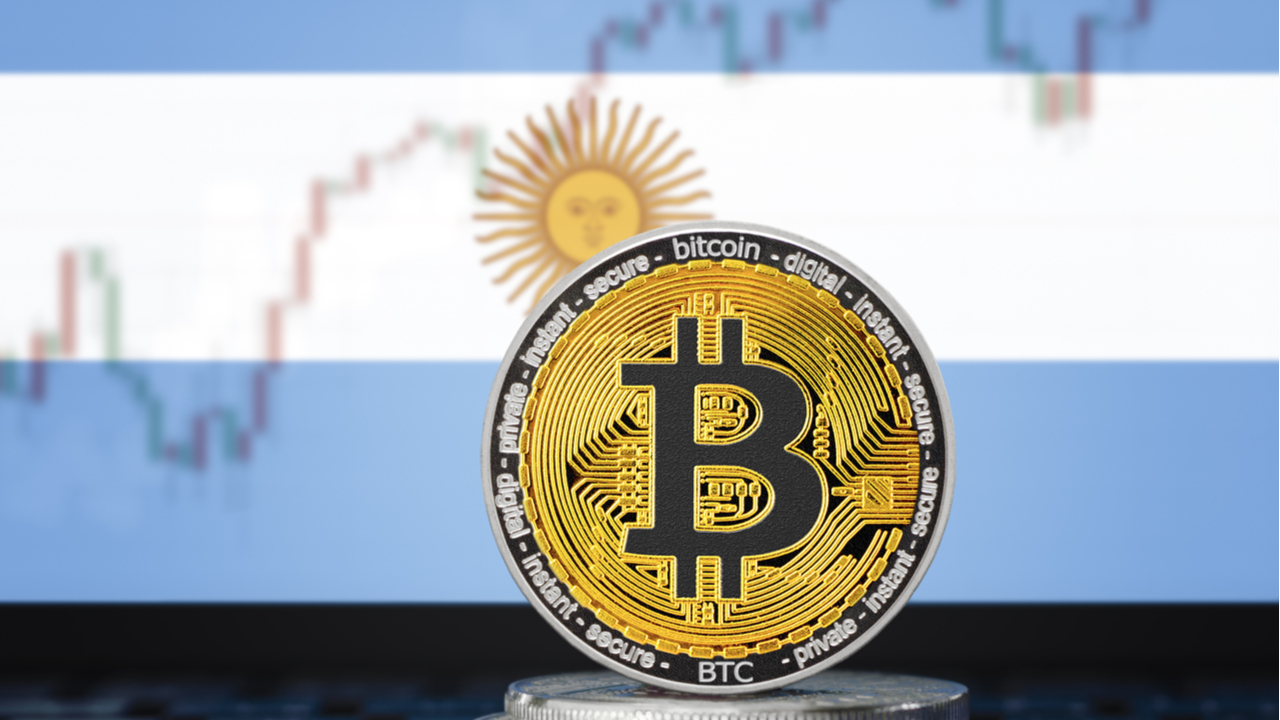
Strike, a bitcoin-based wallet and exchange service, has landed in Argentina, bringing USDT integration to users in the country. Jack Mallers, CEO of Strike, explained that his objective for bringing the app to the country has to do with providing a platform for Argentinians to hold a stable value in cash. This value will be held in the form of USDT, with no option for storing bitcoin, at least at launch.
Strike Brings Stablecoin Integration to ArgentiniansStrike, a popular bitcoin-based wallet, has launched in Argentina, bringing a new way for Argentinians to store their savings via stablecoins. The announcement of this development was made by Strike CEO Jack Mallers, who explained that due to the financial woes the citizens of the country are experiencing, there is a migration to foreign currencies such as the dollar.
Mallers stated:
There is now unprecedented demand for an open monetary system that lives within a distributed network, has a known monetary policy, a fixed supply, and is resistant to censorship.
Mallers further explained that Strike, in its Argentinian installment, will offer “a stable cash balance that can be spent both instantly and with no fees.”
Powered by USDTWhile Strike is known for its Bitcoin and Lightning Network capabilities, it launched in Argentina with USDT as its backbone. This was considered strange by some local media outlets, considering that Mallers has publicly been a big supporter of the Bitcoin ecosystem, and that Strike has implemented these services in other locations already, including El Salvador.
The current version of the application for Argentina uses USDT, the popular stablecoin issued by Tether, as a backbone to store value for users. USDT has a market cap of more than $78 billion dollars, being the most valuable stablecoin project in the whole cryptocurrency market. The USDT version that Strike uses is an ERC20 token, which uses the Ethereum blockchain.
However, as Strike is a custodial wallet, users won’t have to deal with the high fees that are plaguing some ethereum users currently, as transactions using Strike are free of charge. In its terms of service the wallet explains that Bittrex is used for the custody of the assets, and that the company is not responsible for the custody of the cryptocurrency in its wallet.
What do you think about the launch of Strike in Argentina? Tell us in the comments section below.
Original source
Read on Bitcoin NewsRelated market context

Curaçao becomes smallest country to qualify for FIFA World Cup, and crypto is all over the tournament
Curaao's World Cup debut highlights small nations' potential on global stages, while crypto's integration signals evolving sports...

Tether’s Brief Overtaking of Ether in Value Signals Crypto Market Stress
USDT briefly surpassed Ether in market cap last weekend, signalling investor flight to safety amid Bitcoin's worst week since FTX...

Tether’s Brief Flip of Ether in Value Gives Crypto a Reality Check
Tether's USDT briefly overtook Ether in market value for a few hours, highlighting the growing dominance of stablecoins in crypto....
Tether USDT Briefly Overtakes Ethereum in Market Cap: A $187B Wake-Up Call
For a few hours, earlier this week, Tether USDT stablecoin held a higher market cap than Ethereum, the first time that has happene...

Israeli military strikes Beirut’s southern suburbs as crypto markets react to escalating Middle East tensions
Escalating Middle East tensions risk broader regional conflict, impacting global markets and complicating diplomatic efforts and e...

Curaçao set to become smallest country in World Cup history, and crypto is all over the tournament
Curaao's World Cup debut highlights the increasing intersection of sports and crypto, offering new avenues for fan engagement and...