Tabit Insurance: The First in the World to Raise Over $40M in Bitcoin
Key Takeaways: Tabit Insurance closes $40m facility 100% in Bitcoin, a first for the insurance industry. This action put BTC on the map as a legit financial reserve asset, beyond just speculative trading. The insurance i...
Archive context
Older archive item. Useful for background and entity history, but not a fresh market-moving signal.
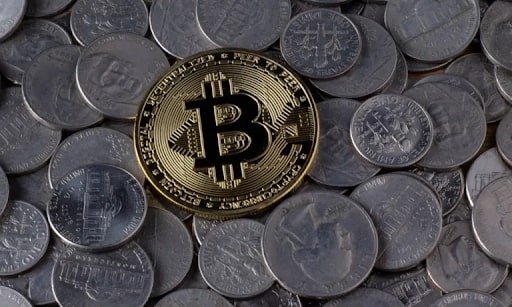
Key Takeaways:
- Tabit Insurance closes $40m facility 100% in Bitcoin, a first for the insurance industry.
- This action put BTC on the map as a legit financial reserve asset, beyond just speculative trading.
- The insurance industry could delve further into crypto-backed financing as a precursor to wider institutional awareness.
- Bitcoin performs financial risk management, providing liquidity, decentralization and a hedge against fiat depreciation.
- All this applies at a time when regulatory implications are an ever-present consideration at a time when crypto-backed insurance models gain traction.
Becoming the first insurance provider to utilize Bitcoin backed reserves at such scale, Tabit Insurance’s pioneering facility of $40 million funding backed by Bitcoin. It signals an earth-shattering change in the paradigm for the structuring of financial institutions, as businesses increasingly look to digital assets to address their liquidity, risk and strategic investment needs.
The First in the World to Raise Over $40M in Bitcoin
A Large Share of Bitcoin: A Financial Reserve AssetInsurance is a capital-efficient business: firms maintain reserves sufficient to pay out future claims while maximizing returns. Until now, these reserves have been kept in cash, bonds and other stable assets. By raising capital in Bitcoin, Tabit is signalling confidence in BTC’s ability to retain value and liquidity in the long run.
The main benefits to bitcoin as a reserve asset are:
- Decentralization – Bitcoin provides a self-sovereign store of value, in contrast to fiat, over which central banks have enormous control.
- Hedge Against Inflation – Bitcoin is a hedge against fiat depreciation, with only 21 million coins ever to be minted.
- High Liquidity — Bitcoin can be traded 24/7 around the world, therefore, capital can be deployed faster when required.
- Institutional Adoption Growth – Bitcoin is already being added to the corporate treasuries of large companies like MicroStrategy, Tesla, and Block.
This prescient move makes Tabit a trailblazer in a new financial model, one which other companies may be encouraged to replicate by bypassing traditional funding channels in exchange for Bitcoin.
Innovative Financing Structures for Insurance CompaniesIf successful this could lead to other insurance providers following suit, also adopting crypto-backed reserves and diversifying their capital structure away from traditional banking institutions.
Bitcoin’s Institutional LegitimacyReaching this milestone may further propel regulators and institutional investors to recognize Bitcoin as a potential treasury asset, which will, in turn, expedite its association with the conventional financial system.
Why is it important: In sectors such as tech, finance, and crypto, where volatility reigns, implementing advanced risk management is essential for creating secure and resilient systems.
As a store of value and an anti-inflationary asset, Bitcoin also enables insurance firms the capacity to hedge against currency risk and better capital stability through crypto.
Another Step Toward Segregated Bitcoin Insurance ProductsWe could see robust insurance policies that are backed or value tied to Bitcoin directly, whether that be in underwriting, claims or via collateralized insurance models.
Pressing The RegulatoryHowever, regulatory scrutiny is still a major consideration, which collar our necks. Japan, the United States and Europe are all looking at stricter rules for crypto assets. The rules will affect how insurers hold and use digital assets.
These challenges notwithstanding, however, Tabit’s move speaks to a larger appetite on behalf of institutions for Bitcoin-based financial models, signaling a structural change in corporate finance over a multiyear timeframe.
What Comes Next for Crypto-In Insurance?Tabit Insurance is helping to usher in a new wave of financial innovation, with its operations now backed by $40 million in Bitcoin. The consequences of this maneuver might be profound, affecting:
- Increased experimentation among insurers with crypto-backed financing
- Financial innovations that embed Bitcoin in underwriting
- More institutional adoption of BTC as a strategic asset
- Crypto as a legitimate financial reserve: Regulatory discussions
The post Tabit Insurance: The First in the World to Raise Over $40M in Bitcoin appeared first on CryptoNinjas.
Why this matters
This bitcoin story adds another data point to the current market tape and is useful when read alongside nearby source coverage.
Original source
Read on CryptoNinjasRelated market context

Arbitrum becomes first blockchain to reach 7,000 real-world assets
Arbitrum's milestone highlights blockchain's growing role in finance, yet regulatory clarity and liquidity challenges remain criti...

86% of real world asset perp volume now trades onchain
The shift to onchain trading of real-world asset perps signifies a major decentralization trend, challenging traditional financial...

SEC staff’s staking-token split spotlights the exit risks behind staked ETH tokens
An ETH holder can sell a liquid-staking token while the ETH behind it remains staked. A Sept. 25 SEC staff FAQ draws a conditional...
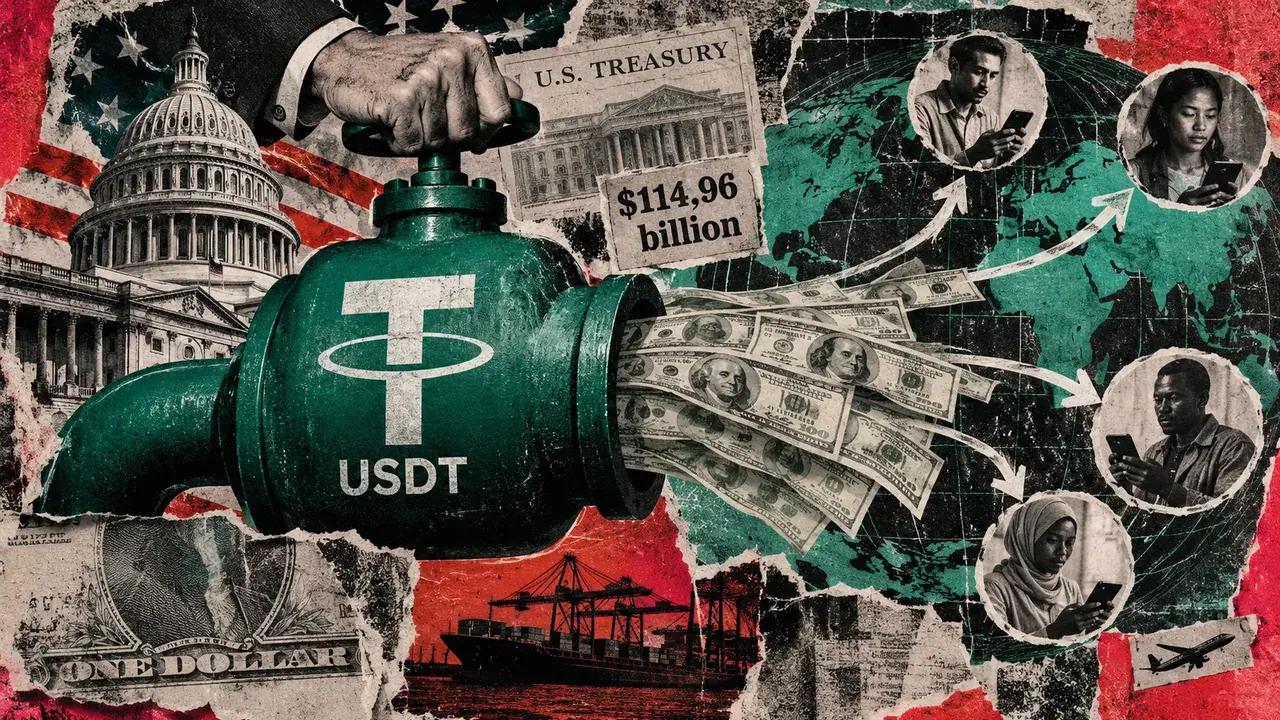
Washington has $114 billion reasons to want Tether around
Not that long ago, Washington fined Tether for misleading people about the dollars behind its tokens. Today, the company's insatia...

Solana Foundation Hires Former Binance CMO For Institutional Push
The Solana Foundation has appointed former Binance global CMO Rachel Conlan as chief strategy officer. Former Polygon Labs executi...

XRP News: Ripple’s Multi-Asset Payments Model Predates Resurfaced XRP Remarks
Ripple CEO Brad Garlinghouse said XRP may be the best bridge asset for some cross-border payments, while a stablecoin could solve...