tBTC – The Bitcoin Standard for DeFi
Why you should listen Threshold Network is a decentralized infrastructure protocol that leverages threshold cryptography to provide privacy and access control services on public blockchains. It was formed through the mer...
Archive context
Older archive item. Useful for background and entity history, but not a fresh market-moving signal.

Threshold Network is a decentralized infrastructure protocol that leverages threshold cryptography to provide privacy and access control services on public blockchains. It was formed through the merger of two projects, Keep and NuCypher, with the aim of enabling secure and decentralized custody and data privacy. One of its core offerings is tBTC, a decentralized bridge that allows users to bring their Bitcoin onto Ethereum and other EVM-compatible networks in the form of an ERC-20 token that is fully backed 1:1 by BTC.
tBTC is designed to address the limitations of custodial wrapped Bitcoin products, such as WBTC, which rely on centralized entities to hold users’ BTC. Instead, tBTC uses a network of randomly selected node operators that collectively manage custody through threshold signature schemes. This structure ensures that no single party can access or move the underlying BTC, enhancing security and decentralization. The latest version, tBTC v2, introduces a scalable and permissionless model, progressively shifting control from human intermediaries to protocol-based guarantees.
Bitcoin DeFi—or BTCFi—is an emerging segment of decentralized finance that aims to bring Bitcoin’s liquidity into smart contract ecosystems. Historically, Bitcoin has been underutilized in DeFi due to its limited scripting capabilities and incompatibility with platforms like Ethereum. Bridges like tBTC are key to unlocking Bitcoin’s potential in DeFi, enabling BTC holders to participate in lending, yield farming, liquidity provision, and collateralized borrowing—all while retaining exposure to Bitcoin. By offering a decentralized, trust-minimized bridge, Threshold Network positions itself as a foundational layer in this growing ecosystem.
Supporting linksIf you enjoyed the show please subscribe to the Crypto Conversation and give us a 5-star rating and a positive review in whatever podcast app you are using.
Why this matters
This bitcoin story adds another data point to the current market tape and is useful when read alongside nearby source coverage.
Original source
Read on Brave New CoinRelated market context
DeFi hack attack: Three exploits snatch $11M in a single day
Crypto and DeFi projects continue to be hacked at a dizzying pace, and few days in recent weeks have been incident-free. That said...

XRP Became Programmable, Then Gained Vaults and Wider DeFi Access
A year after FXRP launched, XRP holders can use a representation of their tokens in vaults, lending markets, and applications on E...

Enso handles all RWA execution for ether.fi app, enabling seamless access to 100+ tokenized assets
Enso's integration with ether.fi could significantly streamline user access to diverse tokenized assets, enhancing crypto's mainst...
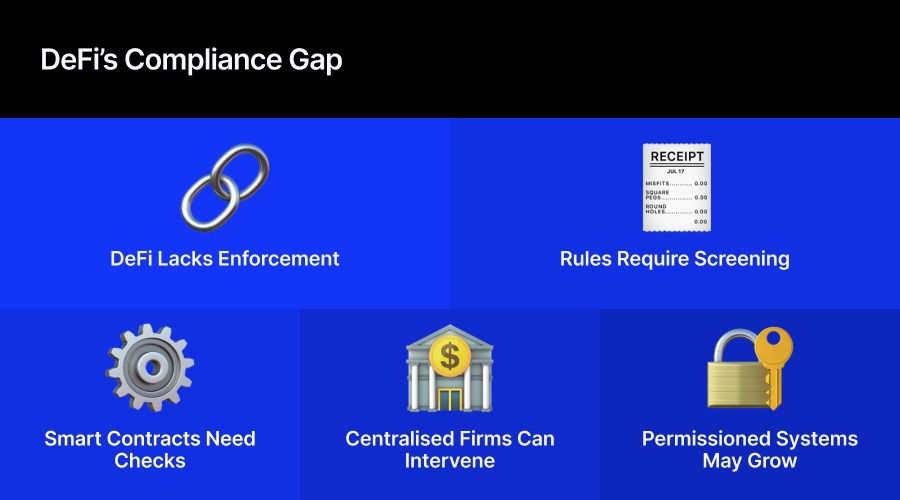
DeFi Was Never Going to Get Its Clarity from US Congress
Last week’s failed CLARITY Act cloture vote will be read as a setback for crypto. That reading misses where decentralized finance...

Bitcoin researchers target privacy coins with Zcash-style shielded transfers
Bitcoin researchers have proposed a system for private transfers directly on the network without requiring a soft fork or changes...

Payy Halts Network After $1.92 Million USDC Drain
Payy, a privacy-focused stablecoin payments network, halted transactions on Sept. 24 after an exploit of its Ethereum bridge. Onch...