The ECB Economists Aren't Exactly Wrong About Bitcoin (They’re Just Useless)
Follow Aaron on Nostr or X. Earlier this month, the European Central Bank (ECB) published a paper in which the authors claim the existence of Bitcoin could impoverish non-holders and latecomers.Specifically, they wrote:“...
Archive context
Older archive item. Useful for background and entity history, but not a fresh market-moving signal.
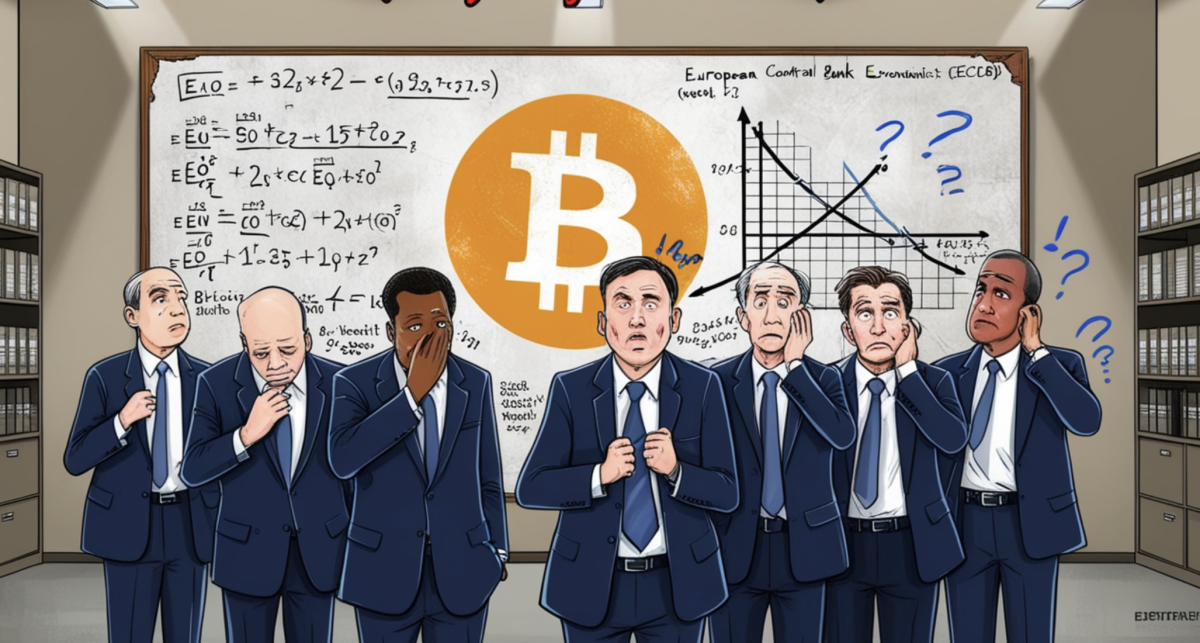
Earlier this month, the European Central Bank (ECB) published a paper in which the authors claim the existence of Bitcoin could impoverish non-holders and latecomers.
Specifically, they wrote:
“Since Bitcoin does not increase the productive potential of the economy, the consequences of the assumed continued increase in value are essentially redistributive, i.e. the wealth effects on consumption of early Bitcoin holders can only come at the expense of consumption of the rest of society.”
It drew the ire from many bitcoiners, including Frank in his Take… but isn’t this essentially what hyperbitcoinization is? If bitcoin becomes the money of the world, HODLers become the new wealthy elite while the fiat bag holders would effectively go broke, right?
The real crux, I think, lies in the first part of the quote. Many bitcoiners, including myself, believe that Bitcoin in fact would increase the productive potential of the economy. (There are several reasons for this, but a big one is that it gets rid of fiat currency’s Cantillon effect, which largely benefits governments.)
If it had been possible in 2009 to swap all fiat currency in the world for bitcoin so everyone received a representative share (thus no redistributive effects), that may arguably have been preferable… but the ECB economists would still be against it: they just don’t see the benefit of bitcoin in the first place.
Since Satoshi Nakamoto had no way to swap everyone’s fiat for bitcoin even if he wanted to, it makes sense that he launched the project the way he did, allowing anyone to adopt this superior money whenever that fits their individual risk-appetite.
If the ECB economists believe there is a better way to distribute this new form of money, I'd suggest they use their Cantillon-funded salaries to write a paper about that.
This article is a Take. Opinions expressed are entirely the author's and do not necessarily reflect those of BTC Inc or Bitcoin Magazine.
Why this matters
This bitcoin story adds another data point to the current market tape and is useful when read alongside nearby source coverage.
Original source
Read on Bitcoin MagazineRelated market context

Aave’s $50 million lending plan could lose money without a single default
Aave’s proposed institutional lending business would put crypto collateral on both sides of the financing chain. Institutions woul...
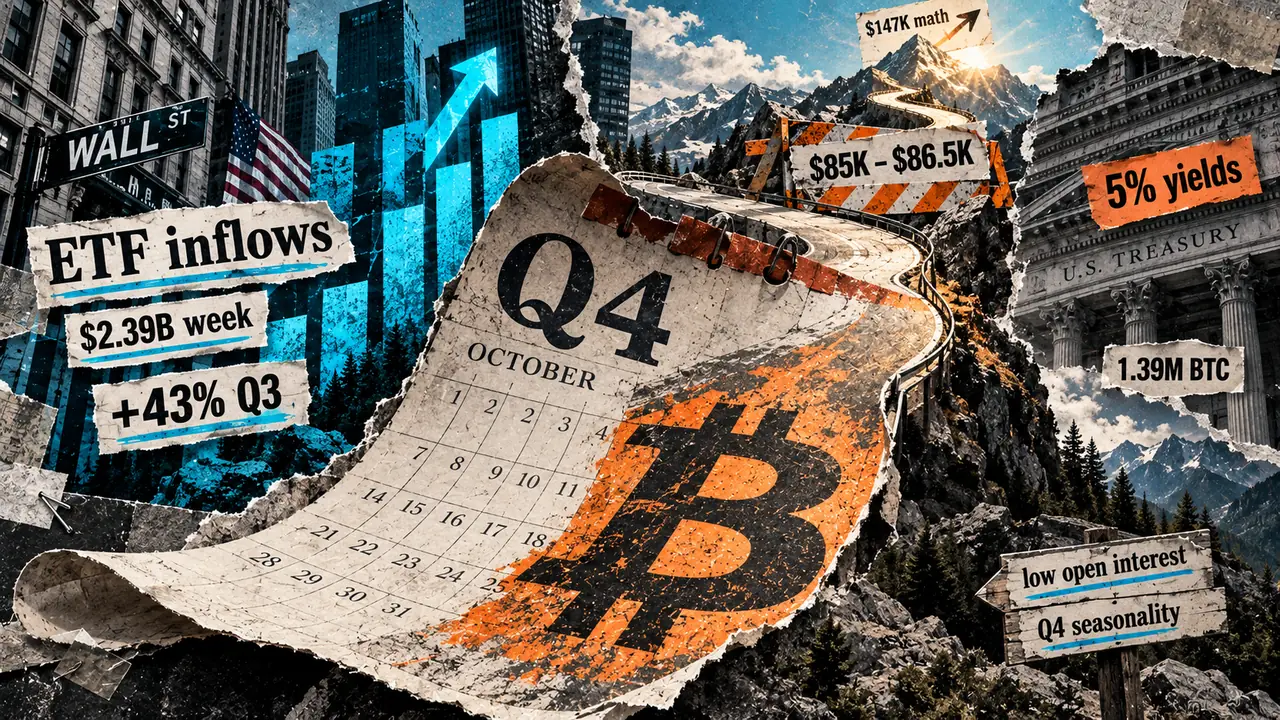
Bitcoin enters its best season after a 43% surge, with $147,000 suddenly on the math
Bitcoin is closing its strongest quarter since 2024 after leaving US stocks and gold far behind despite surging bond yields. The l...
Bitcoin Surges 40% in Its Best Quarter Since Late 2024
Bitcoin Magazine Bitcoin Surges 40% in Its Best Quarter Since Late 2024 Bitcoin is having one of its best quarters ever — another...

Bitcoin trader profit margin hits 30.7%, highest since December 2024
Rising profit margins may trigger increased sell-offs, potentially leading to heightened market volatility and testing key support...

MSCI Rule Puts Strategy at Risk, Says Bitcoin Policy Institute Paper
A private index committee that never touches investor cash can still trigger billions of dollars in stock trades. A new Bitcoin Po...
Bitcoin Is More Than Just an Asset, Says TD Cowen
Bitcoin Magazine Bitcoin Is More Than Just an Asset, Says TD Cowen Investment bank TD Cowen has said that Bitcoin is more than an...