The Robert F. Kennedy Jr. Interview: Bitcoin, CBDCs & The War on Freedom
In the heart of Manhattan, high above Hudson Yards in a bustling hotel, Bitcoin Magazine’s Editor in Chief, Mark Goodwin, sat down with US presidential hopeful Robert F. Kennedy Jr. for a candid and engaging interview th...
Archive context
Older archive item. Useful for background and entity history, but not a fresh market-moving signal.

In the heart of Manhattan, high above Hudson Yards in a bustling hotel, Bitcoin Magazine’s Editor in Chief, Mark Goodwin, sat down with US presidential hopeful Robert F. Kennedy Jr. for a candid and engaging interview that shed new light on his political vision.
The interview commenced with RFK's assessment of the Democratic Party and the evolving definition of a "Kennedy Democrat." According to him, Kennedy Democrats are rooted in the party's historical values of advocating for the working class, environmental stewardship, anti-war principles, and skepticism towards corporate influence. He emphasized the need to counter the undue influence of financial giants like BlackRock, State Street, and Vanguard, which control a significant portion of the economy, including military contractors, agriculture, and pharmaceuticals.
One of the central themes of the interview was RFK's plan to address the growing power of tech giants and their influence on free speech and the open internet. He outlined a multifaceted approach that involves executive orders against government-promoted censorship on social media, legislative amendments to protect free speech, and summoning the heads of major social media companies to ensure political speech remains uncensored.
RFK's stance on controversial figures like Julian Assange and Edward Snowden was clear. He pledged to pardon them on his first day in office, and also expressed interest in reviewing the case of Ross Ulbricht, the founder of Silk Road, to assess whether his sentence was just.
The conversation then shifted towards the economy and the question of whether taxpayers would support policies that raise taxes and potentially lead to inflation to fund various initiatives, including wars and responses to crises like COVID-19. RFK highlighted the historical use of fiat currency to fund wars without directly taxing the population, noting that inflation was a form of hidden taxation.
The interview took an intriguing turn as RFK discussed his interest in Bitcoin and the need for financial freedom. He shared how the government's actions during the Ottawa trucker protests, where individuals' bank accounts were closed without due process, sparked his appreciation for the importance of freedom of transaction. RFK expressed his intention to protect Bitcoin, potentially backing the U.S. dollar with cryptocurrencies and other hard assets to provide an alternative to fiat currency.
The future of the U.S. dollar was another significant topic. RFK highlighted the challenge posed by the rapid globalization of the dollar and the emergence of alternatives offered by BRICs and other nations, potentially eroding the dollar's status as the world's reserve currency.
Central bank digital currencies (CBDCs) were met with skepticism. RFK argued that they could become instruments of control and warned against their potential to eliminate cash currencies, ultimately giving governments complete control over individuals' financial transactions.
The interview delved into the challenges of implementing Bitcoin-friendly policies, including working with a compromised Congress. RFK expressed his intent to use executive orders and Treasury policy to make changes without relying solely on legislative action.
The conversation also touched on the military-industrial complex and the war in Ukraine. RFK criticized the detrimental impact of wars on both domestic and global fronts, emphasizing the immense resources spent on military endeavors that could be directed towards solving pressing domestic issues.
Drawing parallels to history, RFK discussed the potential consequences of inflation and the risk of social upheaval. He underscored the importance of addressing economic disparities and protecting the ability of Americans to own homes, in line with Thomas Jefferson's vision.
The interview concluded with RFK's vision of hope for American democracy and his commitment to addressing pressing issues. He acknowledged the challenges posed by powerful interests but urged citizens to watch his actions, promising to make a difference.
In a political landscape often dominated by familiar faces, RFK's unconventional approach and commitment to tackling powerful interests make him a notable candidate worth watching. His dedication to preserving individual freedoms, addressing economic disparities, and promoting financial independence through Bitcoin sets him apart in the crowded field of presidential hopefuls.
Why this matters
This bitcoin story adds another data point to the current market tape and is useful when read alongside nearby source coverage.
Original source
Read on Bitcoin MagazineRelated market context

Base Cobalt Goes Live With Conditional Trades and New B20 Controls for Tokenized Assets
Key Takeaways: The newest Cobalt upgrade by Base has been activated on the mainnet. Traders can send orders which will only be fil...
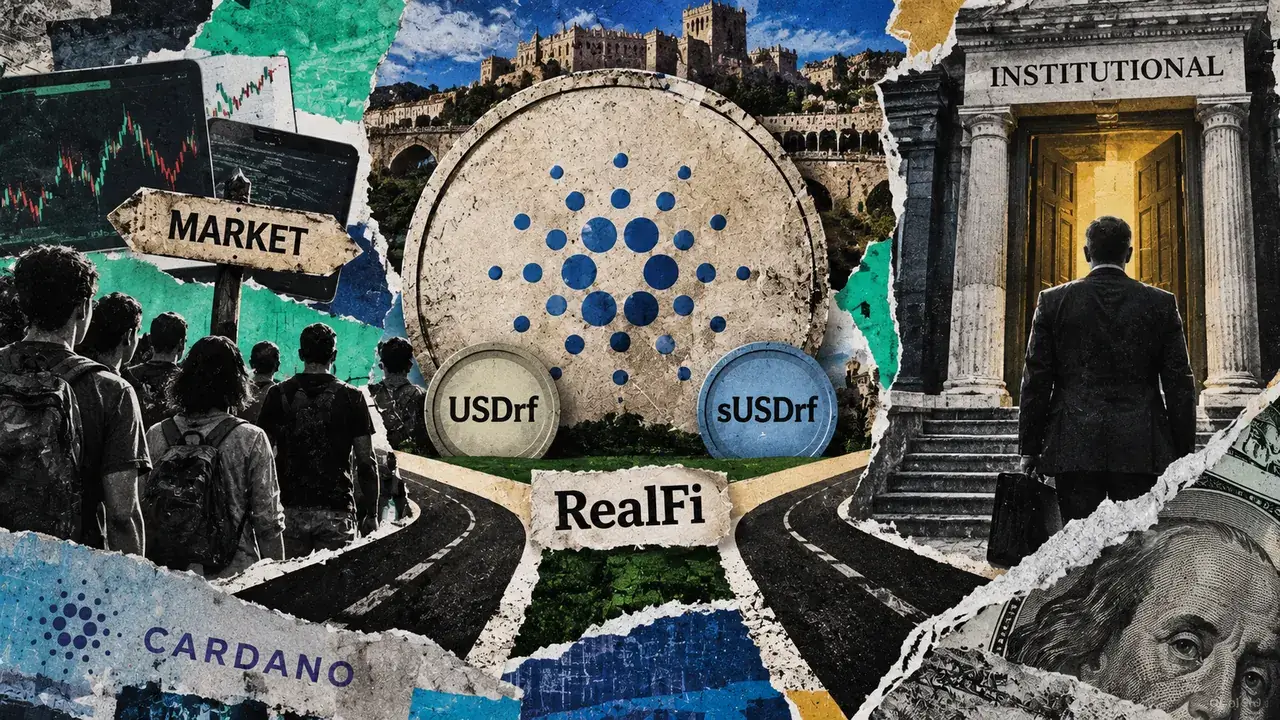
Cardano’s DeFi has shrunk by more than half and RealFi is betting credit can revive it
Cardano’s “bank the unbanked” push went live with RealFi, putting real-world credit behind a new dollar-token system. On Oct. 1, R...
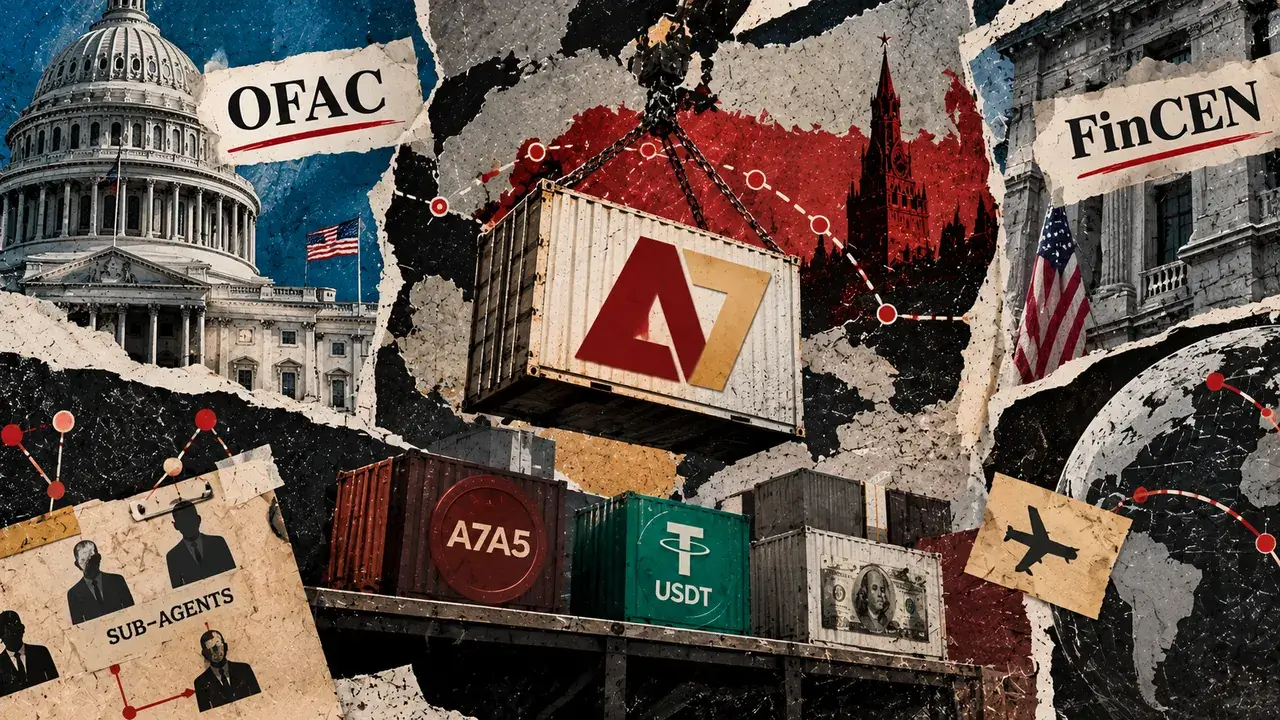
US targets $17 billion Russia-linked crypto payment network using USDT as an escape route
The US sanctioned the Russia-linked A7 Network and proposed new restrictions to cut its crypto intermediaries off from global mark...

Fiserv Puts Stablecoin Banking Platform Live With North Dakota Roughrider Coin
TL;DR Fiserv says its digital-asset platform is now live with financial-institution clients. Bank of North Dakota’s dollar-backed...
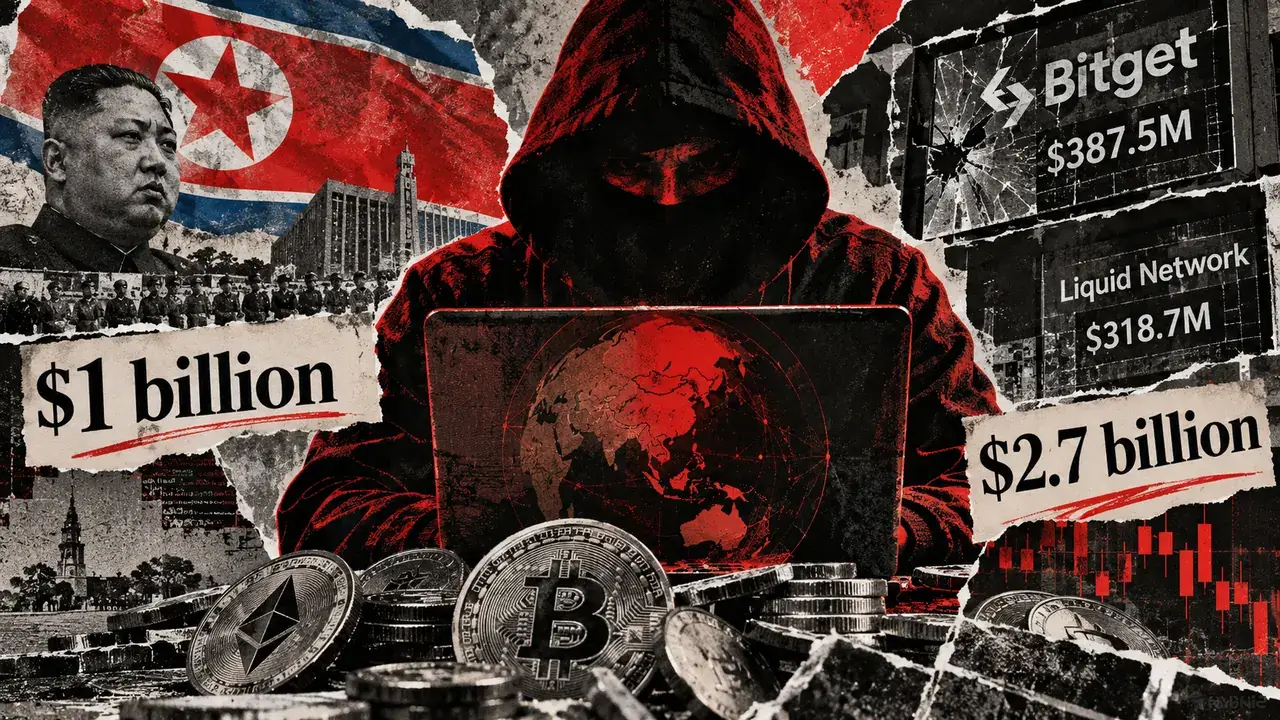
Crypto hackers have taken $2.7 billion in 2026 and the losses are alarmingly concentrated
Crypto firms and users have lost nearly $2.7 billion to security incidents this year, with North Korea-linked thefts exceeding $1...

Michael Saylor Eyes $160B Bitcoin Credit Opportunity Beyond Strategy and Strive
Key Takeaways: Michael Saylor says Bitcoin issuers can scale hand-in-hand but not compete. From its mere 0.1% of the world’s major...