These Bitcoin Futures ETFs May Be Next to Launch
On Tuesday, the ProShares Bitcoin Strategy ETF will become the first exchange-traded fund backed by Bitcoin futures to begin trading in the U.S. Anticipation of the offering pushed the price of Bitcoin near record territ...
Archive context
Older archive item. Useful for background and entity history, but not a fresh market-moving signal.

On Tuesday, the ProShares Bitcoin Strategy ETF will become the first exchange-traded fund backed by Bitcoin futures to begin trading in the U.S.
Anticipation of the offering pushed the price of Bitcoin near record territory. And institutional investors, seeing the potential for higher demand of BTC, have flocked back to the asset.
So, what's next?
While many investors have hoped that a "pure" Bitcoin ETF—not one based on BTC futures—would be in the cards this year, for the immediate future, it looks like more Bitcoin futures ETFs could launch to provide competition to ProShares.
The U.S. Securities and Exchange Commission is sitting on a backlog of applications, none of which need to be approved. If the agency doesn't object, they can quietly go into existence. (Though they could also go into effect sooner if the SEC formally approved them.)
The first up is the Invesco Bitcoin Strategy ETF, which can start trading as soon as Wednesday, October 20. Next week, two more are up: the VanEck Bitcoin Strategy ETF on October 25 and the Valkyrie Bitcoin Strategy ETF. The Galaxy Bitcoin Strategy ETF and AdvisorShares Managed Bitcoin ETF could be available in early November. Thus, in the span of two weeks, the U.S. could go from zero Bitcoin futures ETFs to six.
The other thing to watch is will Invesco file their post-effective prospectus today as their 75 days are up. They could theoretically launch on Wed. But I've got no word on this. Here's look at everyone's potential inception date if no delay from SEC at all: pic.twitter.com/HVYHeJ053c
— Eric Balchunas (@EricBalchunas) October 18, 2021
Why the litany of Bitcoin futures ETF applications? Back on August 3, while speaking at the Aspen Security Forum, SEC Chair Gary Gensler spelled out exactly what investment firms needed to do to get Bitcoin ETFs—long disallowed by the agency—through the regulator: instead of tying them to spot markets, which deal with the current price of an asset, tie them to derivatives, which are more complex, instead.
"I anticipate that there will be filings with regard to exchange-traded funds (ETFs) under the Investment Company Act (’40 Act)," he said. "When combined with the other federal securities laws, the ’40 Act provides significant investor protections. Given these important protections, I look forward to the staff’s review of such filings, particularly if those are limited to these CME-traded Bitcoin futures."
Given Gensler's unambiguous comments, it didn't take long for firms, tired of licking stamps on Bitcoin ETF applications only to be stonewalled by the SEC, to change their strategy. Within days, ProShares and Invesco filed for Bitcoin futures ETFs in line with Gensler's suggestion, followed closely by VanEck, Valkyrie, Galaxy Digital, and AdvisorShares.
ProShares Bitcoin Futures ETF Trades Tuesday: What You Need to KnowThe differences between a Bitcoin ETF and Bitcoin futures ETF are more than academic. The futures market is firmly regulated by the Commodity Futures Trading Commission, not the SEC. Gensler and the SEC have warned that spot markets, meanwhile, are more prone to manipulation.
Morevoer, while both trade like stocks and track the price of a bundle of assets, a traditional ETF would be closely tied to the price of Bitcoin. Everyday investors, including those saving for retirement, could get exposure to BTC in their portfolios, just like they might get some Apple or Tesla stock.
A Bitcoin futures ETF, on the other hand, is tied to Bitcoin futures contracts—speculative bets on the future price of the cryptocurrency that allow people to lock in a price beforehand. Whereas a pure ETF would give exposure to the price of BTC now, the current slate of futures ETFs exposes investors to market sentiment.
At the moment, bullish sentiment is high. A traditional ETF would likely send it higher. Unfortunately for investors, that's not on the calendar.
Why this matters
This bitcoin story adds another data point to the current market tape and is useful when read alongside nearby source coverage.
Original source
Read on DecryptRelated market context
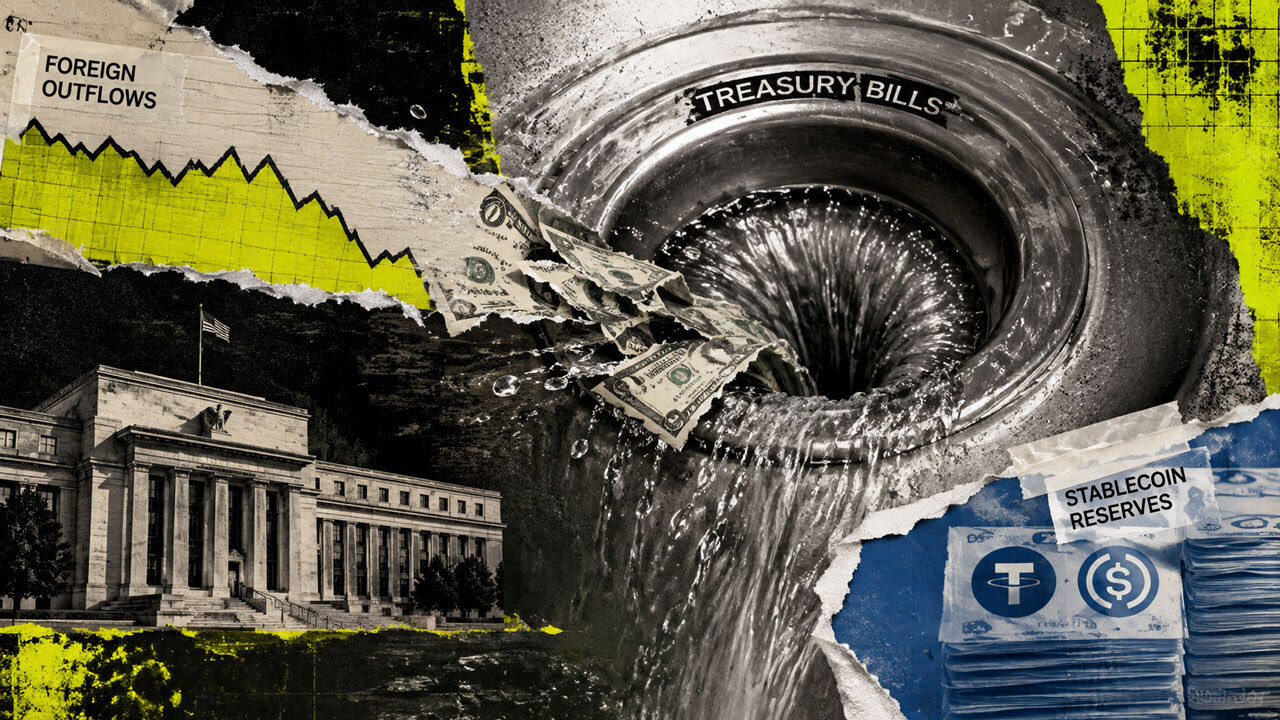
As foreign investors dump $29 billion in Treasury bills, Washington pivots to stablecoin issuers to back US debt
Foreign investors sent a net $133.5 billion into US financial markets in June. During the same month, they sold $29 billion of Tre...

BTCS Repays $8.2M Aave Debt As Ethereum Balance Sheet Strategy Shifts
BTCS Inc. reduced its DeFi leverage in the second quarter, repaying $8.2 million in debt to the Aave protocol as the company shift...
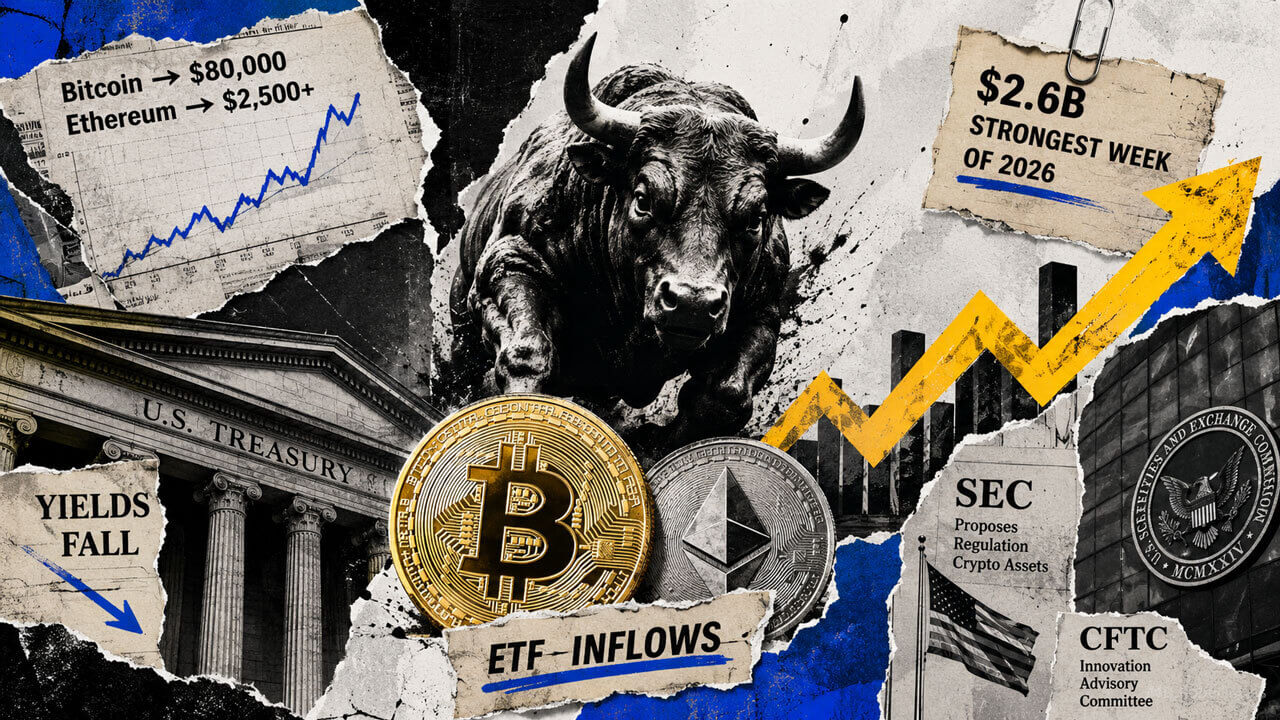
Bitcoin and Ethereum ETFs just had their biggest week of 2026 as crypto exploded higher
US spot Bitcoin and Ethereum ETFs recorded their strongest inflow week of 2026 as a sharp crypto rally pulled investors back into...

SEC Opens Comment Period On Cboe 3x Bitcoin And Ethereum ETF Proposal
The SEC has opened a public comment period on Cboe BZX Exchange’s proposal to list six daily 3x leveraged Bitcoin and Ethereum fut...
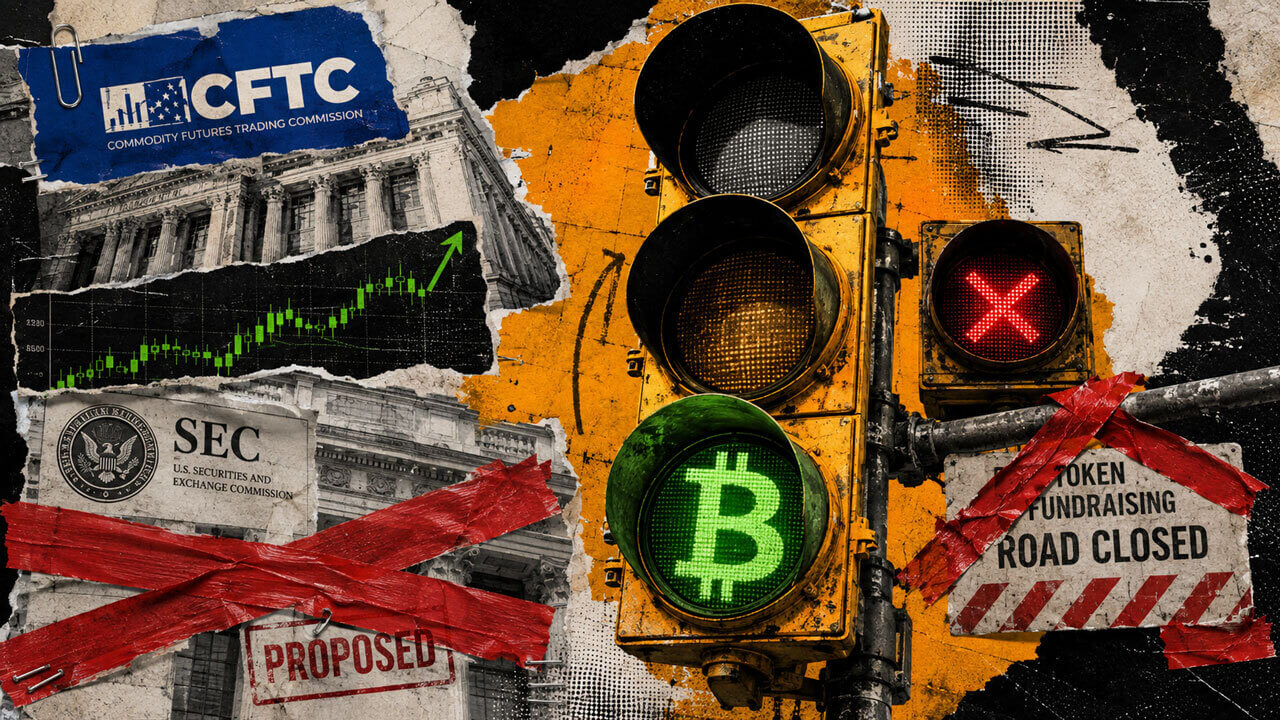
The US approved high-leverage Bitcoin trading while crypto founders remain legally blocked from raising funds
On May 29, the CFTC approved a Bitcoin perpetual contract for a regulated US exchange. Almost three months later, on Aug. 18, the...
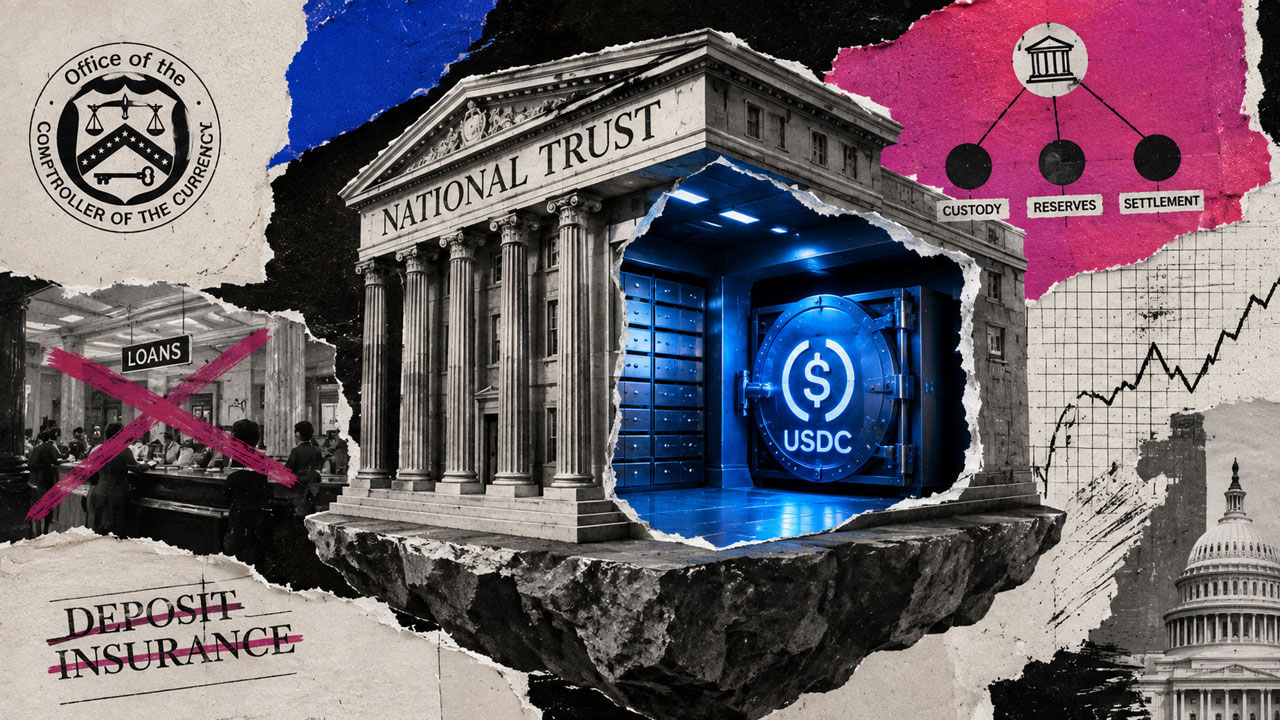
America is creating a new class of crypto banks – but they aren’t really banks
Circle now has a federal bank charter. However, the charter provides no ordinary checking accounts, FDIC-insured savings accounts,...