Trillion-Dollar Gap: Why Your Bitcoin Is Never Fully Insured, BitGo CEO Warns
In a wide-ranging interview on the David Lin Report, BitGo CEO Mike Belshe issued a stark warning to institutional and retail crypto investors: don’t count on insurance to fully protect your digital assets. Belshe addres...
Archive context
Older archive item. Useful for background and entity history, but not a fresh market-moving signal.
In a wide-ranging interview on the David Lin Report, BitGo CEO Mike Belshe issued a stark warning to institutional and retail crypto investors: don’t count on insurance to fully protect your digital assets.
Belshe addressed one of the most misunderstood components of the crypto infrastructure stack — insurance. “Insurance is not something that you can commercially expect to cover 100% of digital assets,” he said. “They’re too big for that.”
BitGo, which recently crossed $100 billion in digital assets under custody, offers institutional clients up to $250 million in insurance coverage with additional excess cover — but even that, Belshe admits, barely scratches the surface.
“There’s only one guy that can write an uncapped insurance policy — and that’s the FDIC,” Belshe noted. “They can do that for U.S. dollars because they can print more of them. But for crypto? You won’t find an underwriter offering that kind of coverage.” In fact, even the idea that the FDIC fully covers retail bank customers is a myth, as the agnecy caps its coverage at $250,000 per depositor, per insured bank, for each account ownership category.
Robust Custody Beats Insurance in Digital Asset SecurityThe limitations of crypto insurance were thrown into the spotlight recently after major breaches like the Bybit hack, which reportedly lost over $150 million. Belshe argues that even with insurance policies in place, such incidents reveal a fundamental issue: insurance alone is not a substitute for robust custody infrastructure. This has always been the case in crypto and there is nothing to indicate anything will change in the foreseeable future.
“Insurance matters, but security architecture matters more,” he said. “We already rebalance our clients — no single wallet holds more than $100 million. If Bybit had done that, they would have saved $1.4 billion.”
Belshe’s comments also emphasized the need for crypto custodians to layer insurance with hardened operational policies — including cold storage, multi-signature authentication, geographic key distribution, and third-party risk assessments. “You need to eliminate single points of failure,” he said. “That’s where most breakdowns start.”
In the absence of comprehensive insurance options, Belshi outlined BitGo’s alternative risk management strategies:
- Asset Distribution: Breaking large holdings into smaller wallets to limit potential breach impacts
- Cold Storage: Keeping significant holdings offline
- Multi-Signature Security: Requiring multiple approvers for transactions
- Geographical Distribution: Spreading assets across seven global trust companies
- Regulatory Oversight: Maintaining fiduciary duty through regulatory compliance
“Security is eliminating single points of failure,” Belshi emphasized. “If you have a key held by one person, you split it across two. If it’s held at one company, you split it across two. If it’s held in one jurisdiction, you split it across two.”
For retail investors, the message is no less important. BitGo now offers custody solutions to non-institutional clients as well, applying the same infrastructure used by banks, asset managers, and hedge funds. But Belshe cautions that many retail users are unaware of what their platforms actually cover — or don’t.
“When people hear ‘insured,’ they assume it means full protection. But what does the policy actually cover? Hacks? Insider theft? Regulatory seizure? Those are all different,” he said. “The term ‘insurance’ gets thrown around, but few ask the right questions.”
As digital assets continue to gain mainstream adoption, Belshe believes institutions and individuals alike will need to evolve their assumptions about risk. “Insurance is part of the toolkit,” he said, “but your first defense is architecture. If you’re relying on insurance alone, you’re already exposed.”
Why this matters
This bitcoin story adds another data point to the current market tape and is useful when read alongside nearby source coverage.
Original source
Read on Brave New CoinRelated market context
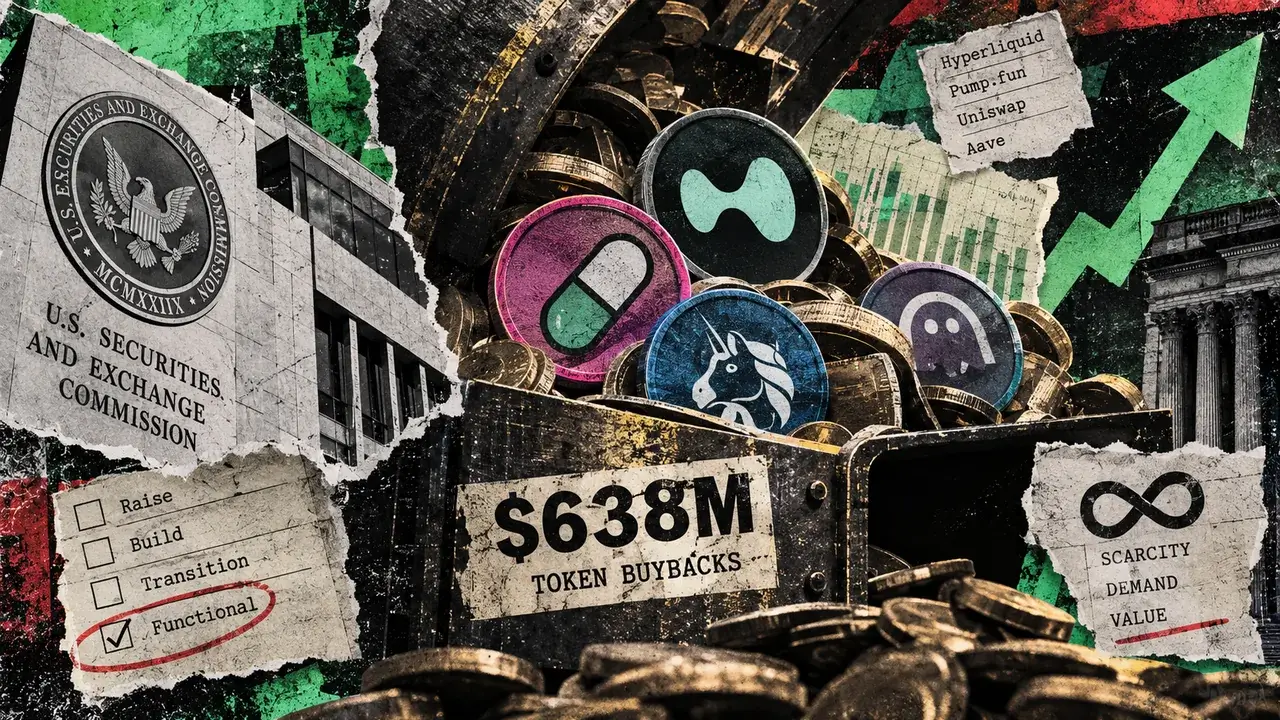
SEC clears regulatory hurdle as crypto token buybacks hit record $638 million
Crypto projects spent about $638 million with token buybacks through late August 2026, according to Allium Labs data. That is alre...

XRP News: Ripple Takes Aim at SWIFT, Pantera CEO Says
Dan Morehead, founder and CEO of Pantera Capital, told CNBC News that Ripple is going after the cross-border payments turf long do...
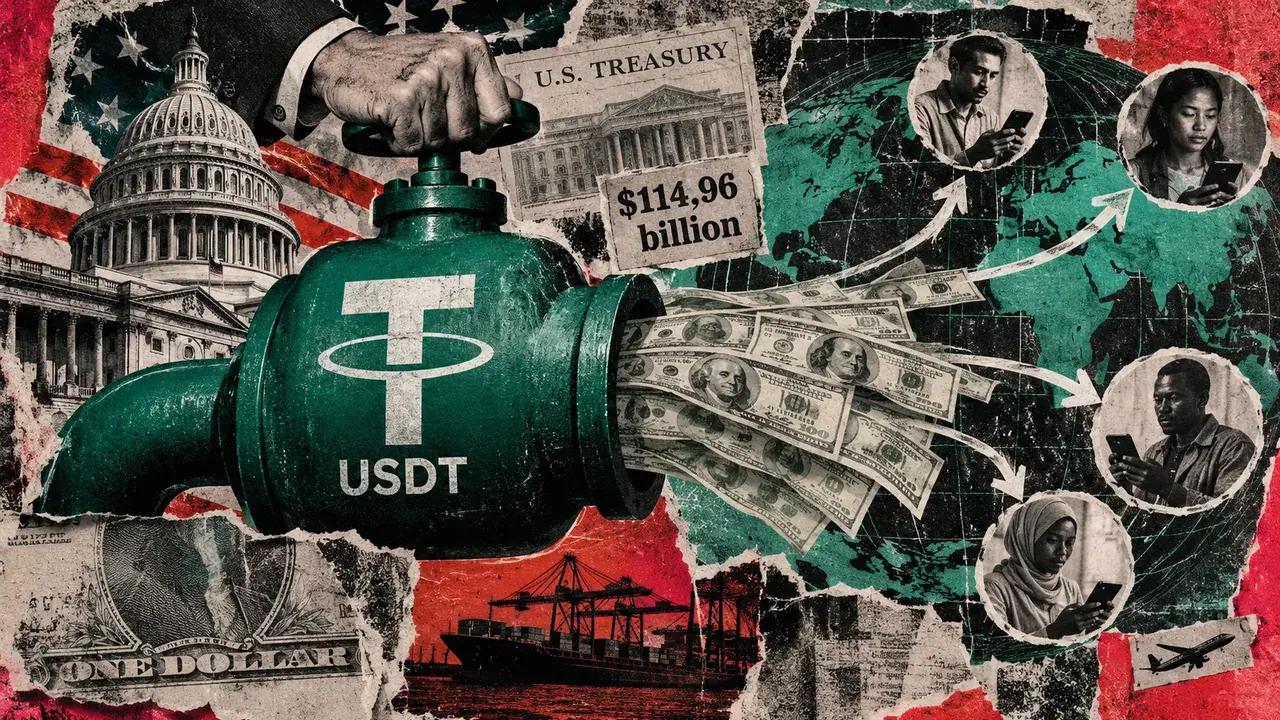
Washington has $114 billion reasons to want Tether around
Not that long ago, Washington fined Tether for misleading people about the dollars behind its tokens. Today, the company's insatia...

Bitget Confirms $351.6M Hot Wallet Breach And Pauses Withdrawals
Bitget says unauthorized transfers affected approximately $351.6 million held across parts of its hot and warm wallet infrastructu...

North Korean Hackers Linked to $388M Bitget Crypto Exchange Theft: CEO
Bitcoin Magazine North Korean Hackers Linked to $388M Bitget Crypto Exchange Theft: CEO Hackers from North Korea targeted crypto e...

Best Crypto Staking Platforms for 2026: 7 Options Compared
Staking is the closest thing crypto has to earning interest: you lock up a proof-of-stake asset to help secure its network, and in...