Ukraine Bans Bitcoin Purchases With National Currency Amid Martial Law
Ukraine’s central bank is prohibiting BTC buys with the hryvnia in an attempt to prevent what it calls “unproductive” capital outflows.The Ukrainian central bank has banned bitcoin purchases with the national fiat curren...
Archive context
Older archive item. Useful for background and entity history, but not a fresh market-moving signal.
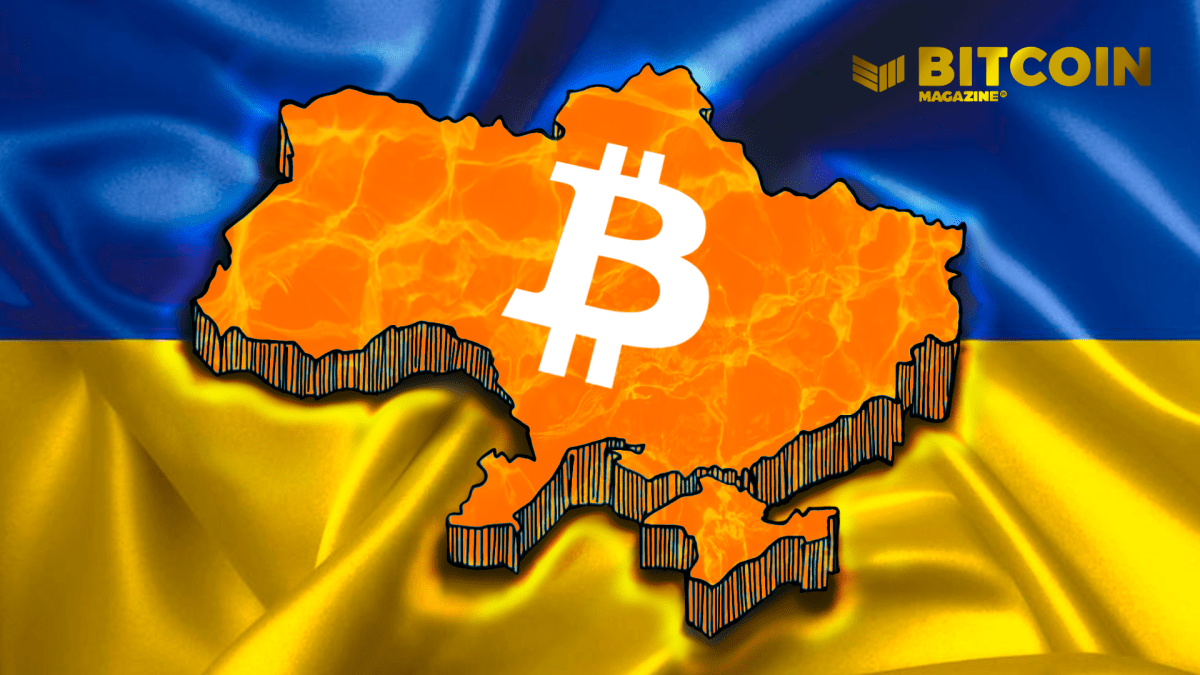
Ukraine’s central bank is prohibiting BTC buys with the hryvnia in an attempt to prevent what it calls “unproductive” capital outflows.
- The Ukrainian central bank has banned bitcoin purchases with the national fiat currency.
- The bank said the move seeks to prevent “unproductive” capital outflows in a bid to preserve the health of the country’s FX market.
- In addition to cryptocurrency buys, the new rules also target electronic wallet deposits, FX transactions and travel payments.
The Ukrainian central bank is now prohibiting citizens from purchasing bitcoin with the local fiat currency, the hryvnia (UAH), as it attempts to curb capital outflows under martial law.
Under the new rules, the National Bank of Ukraine (NBU) is also limiting the amount of cryptocurrency people can buy with foreign currencies – an equivalent of UAH 100,000 (about $3,390) per month.
The restrictions are not exclusive to Bitcoin. The new directives imposed by the NBU cover a slew of asset purchases and “quasi cash” transactions, including replenishment of electronic wallets, brokerage or foreign exchange (FX) accounts and payment of traveler’s checks.
“The relevant changes will help improve the foreign exchange market, which is a necessary prerequisite for easing restrictions in the future, as well as reducing pressure on Ukraine’s international reserves,” the bank said in a statement Thursday.
NBU said the move is necessary because even though the FX market has been mostly balanced over the past month, “significant volumes” of foreign currency purchases by banks seeking international settlements “create some additional pressure.”
Regular payments abroad and locally for goods and services do not fall under the umbrella of new restrictions, the bank added, as it seeks to limit “quasi cash” transactions that are used to circumvent restrictions imposed by the NBU and lead to “unproductive” capital outflows.
The bank said the Ukrainian government adopted the changes in an NBU board resolution from April 20, which went into effect on the same day.
— With assistance by Alyona Nevmerzhytska.
Why this matters
This bitcoin story adds another data point to the current market tape and is useful when read alongside nearby source coverage.
Original source
Read on Bitcoin MagazineRelated market context

Central Bank of Iran plans to block rial accounts tied to crypto exchanges
Iran's crypto restrictions could stifle local exchanges, complicate rial-to-crypto conversions, and heighten economic isolation am...
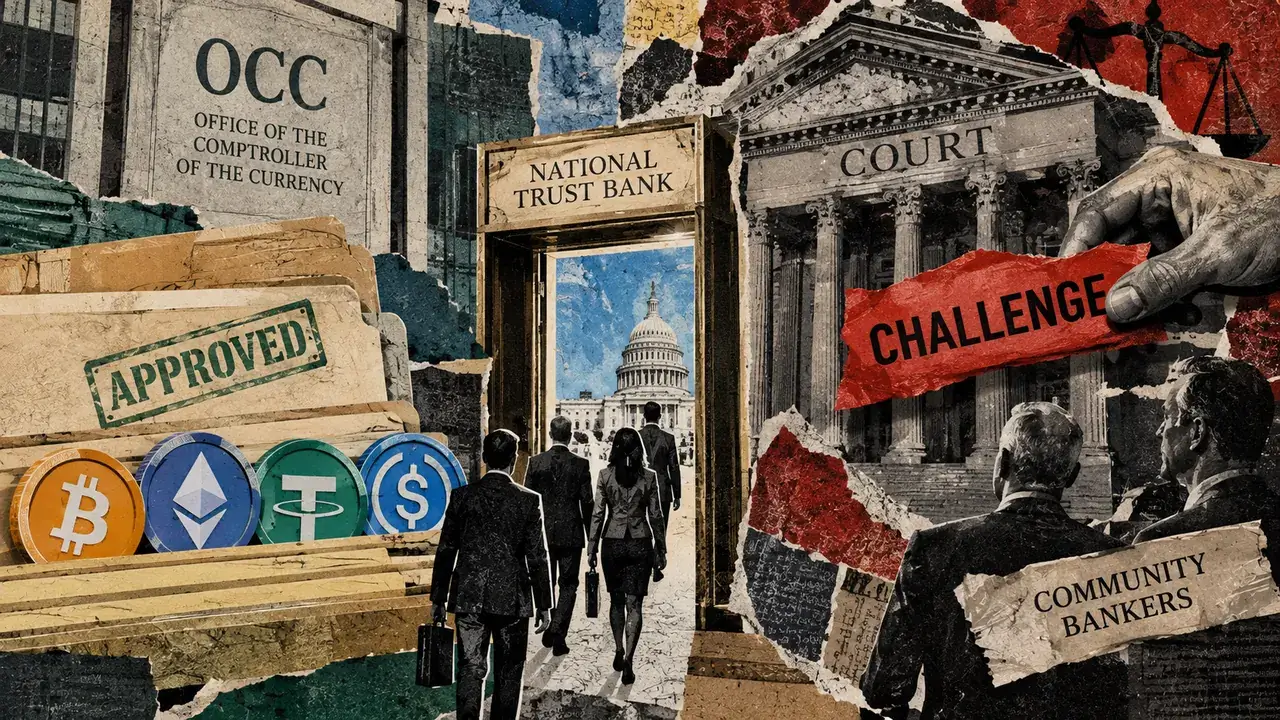
Bankers sue to overturn OCC trust-bank rule used by crypto firms
The Independent Community Bankers of America sued the OCC in federal court in Washington on Oct. 2, two weeks after the agency app...

US targets $17 billion Russia-linked crypto payment network using USDT as an escape route
The US sanctioned the Russia-linked A7 Network and proposed new restrictions to cut its crypto intermediaries off from global mark...

Stand With Crypto urges EU to ease stablecoin rewards restrictions
The clash between public advocacy and central banks over stablecoin rewards could shape the future of digital currency regulation...

Stablecoin issuers have replaced 40% of China’s lost US Treasury demand
Stablecoin issuers are emerging as a new source of demand for US government debt as foreign official holdings lose ground. Tether...
South Africa’s Absa Becomes First Bank on the Continent to Custody Bitcoin: Report
Bitcoin Magazine South Africa’s Absa Becomes First Bank on the Continent to Custody Bitcoin: Report South African bank Absa has be...