US Judge Orders Bitcoin Ponzi Operator Imprisoned for Ignoring Court Order to Pay SEC $40 Million
A district judge has ordered a bitcoin Ponzi operator to be arrested and imprisoned after he ignored multiple court orders and failed to pay the U.S. Securities and Exchange Commission (SEC) $40 million. He pleaded guilt...
Archive context
Older archive item. Useful for background and entity history, but not a fresh market-moving signal.

A district judge has ordered a bitcoin Ponzi operator to be arrested and imprisoned after he ignored multiple court orders and failed to pay the U.S. Securities and Exchange Commission (SEC) $40 million. He pleaded guilty to securities fraud in 2015.
Bitcoin Ponzi Operator Faces Imprisonment After Failing to Pay SEC
Judge Amos L. Mazzant of the U.S. District Court for the Eastern District of Texas said earlier this week that a bitcoin Ponzi operator will be arrested and imprisoned for civil contempt unless he immediately provides overdue documents and payments, Bloomberg reported.
Trendon Shavers, a resident of McKinney, Texas, owes the U.S. Securities and Exchange Commission (SEC) more than $40 million after pleading guilty in September 2015 to one count of securities fraud. However, he has repeatedly disregarded court orders, Judge Mazzant said, adding:
Shavers’s flagrant disregard for the court’s orders on multiple occasions leads to only one conclusion: Shavers will only comply with the court’s orders if he is incarcerated.
The SEC charged Shavers and his company, Bitcoin Savings and Trust (BTCST), in July 2013 for running a bitcoin Ponzi scheme. According to the authorities, he defrauded investors out of at least 764,000 BTC.
The SEC obtained a ruling against him in September 2014. The regulator said at the time:
The court’s judgment requires Shavers and BTCST to pay more than $40 million in disgorgement and prejudgment interest, and orders each defendant to pay a civil penalty of $150,000.
Judge Mazzant’s contempt order focuses on the SEC’s effort to enforce the $40.4 million civil judgment, the publication conveyed.
The SEC asked Shavers for certain financial documents to determine his ability to pay the disgorgement. Shavers testified that he had made no payments and that he was earning about $4,000 per month. The court ordered him to produce the documents and make six $400 payments but the documents and two of the payments never materialized, which led to more SEC motions and court orders.
The district judge also noted that Shavers failed to appear for a hearing. He reiterated that other than imprisonment, he saw “no other way to coerce Shavers to comply” with court orders.
Do you think Shavers should go to prison for not paying the SEC after pleading guilty? Let us know in the comments section below.
Why this matters
This bitcoin story adds another data point to the current market tape and is useful when read alongside nearby source coverage.
Original source
Read on Bitcoin NewsRelated market context
NY Seeks $1.37 Billion Judgment Against Operators of NovaTech Crypto Ponzi Scheme
Bitcoin Magazine NY Seeks $1.37 Billion Judgment Against Operators of NovaTech Crypto Ponzi Scheme New York Attorney General Letit...
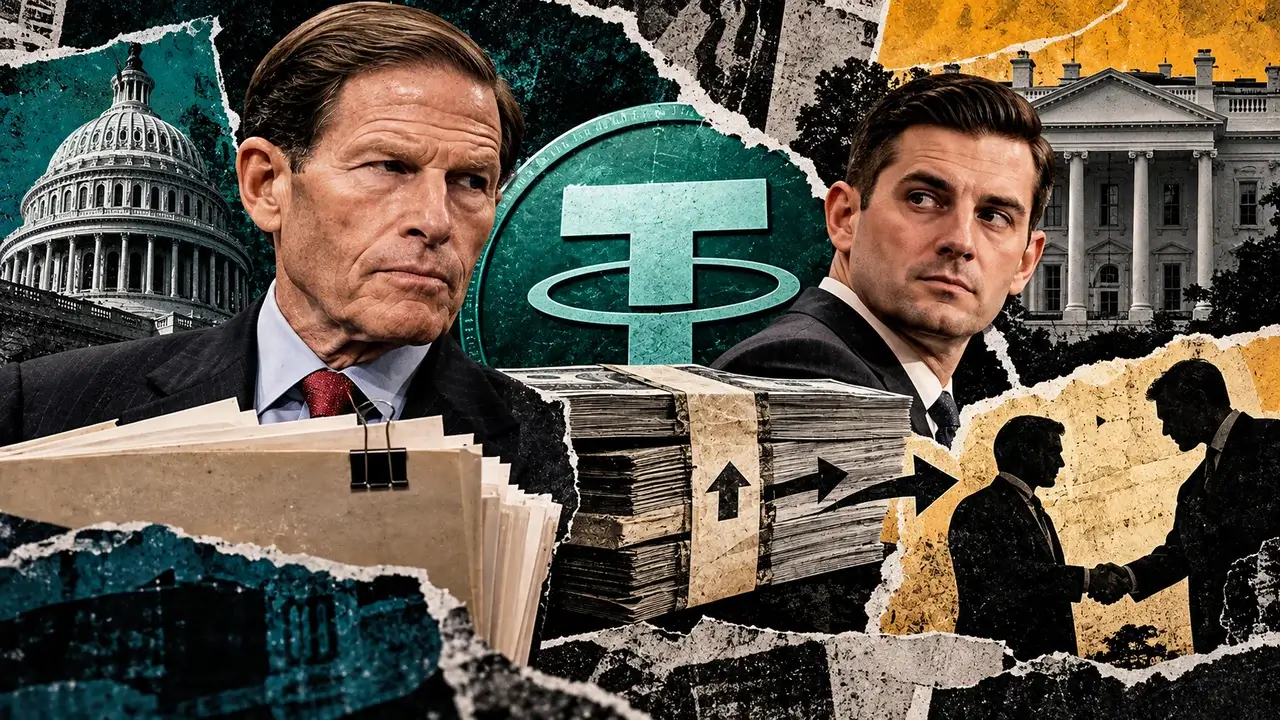
Senator probes Tether’s reported $6 million payments to ex-White House crypto adviser’s firm
Tether faces US Senate scrutiny over multimillion-dollar payments to a consulting firm co-owned by a former White House crypto adv...

Circle shareholder sues Trump over UAE crypto deals, citing up to $82 million in potential annual revenue
A Circle shareholder sued President Donald Trump, alleging UAE-linked cryptocurrency payments enriched his family and diverted bus...
Irish Central Bank Fines Coinbase Unit €3.25 Million Over Customer Fund Safeguards
TL;DR: Ireland’s central bank imposed a €3.25 million penalty on Coinbase Ireland over electronic-money safeguarding and outsourci...
CMCC Global Plans Tokenized Bitcoin Funds With Tether And Bitfinex Securities
TL;DR: CMCC Global is bringing two existing fund strategies into tokenized securities issued through Tether’s Hadron infrastructur...
US Senator Questions Tether Over Reported Payments Linked To Former Crypto Adviser
TL;DR: Senator Richard Blumenthal has demanded records from Tether and consultancy Nxum over reported payments and potential ethic...