U.S. Senate Passes Stablecoin Bill The GENIUS Act
Bitcoin Magazine U.S. Senate Passes Stablecoin Bill The GENIUS Act The U.S. Senate has passed the Guiding and Establishing National Innovation for U.S. Stablecoins (GENIUS) Act (S. 394) by a vote of 68-30, establishing t...
Archive context
Older archive item. Useful for background and entity history, but not a fresh market-moving signal.

Bitcoin Magazine
U.S. Senate Passes Stablecoin Bill The GENIUS Act
The U.S. Senate has passed the Guiding and Establishing National Innovation for U.S. Stablecoins (GENIUS) Act (S. 394) by a vote of 68-30, establishing the first comprehensive federal framework for fiat-backed stablecoins.
The bipartisan legislation was introduced by Senator Bill Hagerty and co-sponsored by Senators Tim Scott, Kirsten Gillibrand, and Cynthia Lummis. It passed under the official title “Guiding and Establishing National Innovation for U.S. Stablecoins of 2025.”
The United States Senate has passed the GENIUS Act
— Bo Hines (@BoHines) June 17, 2025“Today, on a bipartisan basis, the Senate passed its first piece of major legislation this Congress with my bill—the GENIUS Act,” said Senator Hagerty. “With GENIUS, the United States is one step closer to becoming the crypto capital of the world.”
The GENIUS Act tightly regulates payment stablecoins, requiring 1:1 dollar-backed reserves, monthly disclosures, audits, and clear federal or state licensing. It prohibits algorithmic coins and places strict limitations on rehypothecation and commingling of reserves. Importantly, the bill also amends existing securities laws to explicitly state that compliant stablecoins are not securities—freeing them from SEC jurisdiction.
While the bill is aimed at stablecoins, many Bitcoin proponents see it as a win since stablecoins can act as a bridge into Bitcoin, enabling on-ramps, easier settlements, and institutional access.
And as the financial system modernizes, trusted access points like dollar-backed tokens could play a role in onboarding new Bitcoin users—especially in international markets and corporate treasuries.
“The U.S. Senate has passed the GENIUS Act — landmark stablecoin legislation that provides regulatory clarity, enhances consumer protection, and extends U.S. dollar dominance online,” said President Donald Trump’s AI & Crypto Czar David Sacks. “Thanks to President Trump for his leadership on crypto & Senator Hagerty for authoring the bill.”
The passage of the GENIUS Act may be the clearest signal yet that the U.S. is preparing for a stablecoin and Bitcoin-powered future.
This post U.S. Senate Passes Stablecoin Bill The GENIUS Act first appeared on Bitcoin Magazine and is written by Jenna Montgomery.
Why this matters
This bitcoin story adds another data point to the current market tape and is useful when read alongside nearby source coverage.
Original source
Read on Bitcoin MagazineRelated market context

Fed proposes new stablecoin rules under GENIUS Act
The Fed's stablecoin rules could enhance regulatory clarity, potentially boosting confidence and growth in the broader crypto mark...

Fed proposes stablecoin rules under GENIUS Act, eyes crypto clarity
The Fed's stablecoin rules could enhance regulatory clarity, potentially fostering a supportive environment for the broader crypto...

Fed proposes reserve and capital rules for stablecoin issuers under GENIUS Act
The Fed proposed reserve, capital and application rules for supervised stablecoin issuers as it implements the GENIUS Act framewor...

Circle and Tether Freeze Stablecoins Tied to Bitget Hack—But Most Funds Slip Away
The two stablecoin issuers blacklisted a wallet labeled "Bitget Exploiter 8," locking about $318,000 in USDC and USDT—but the atta...

SEC’s Hester Peirce wants to end crypto’s KYC honeypots before stablecoin rules create more of them
US Securities and Exchange Commission (SEC) Commissioner Hester Peirce wants financial firms to stop stockpiling customer data aft...
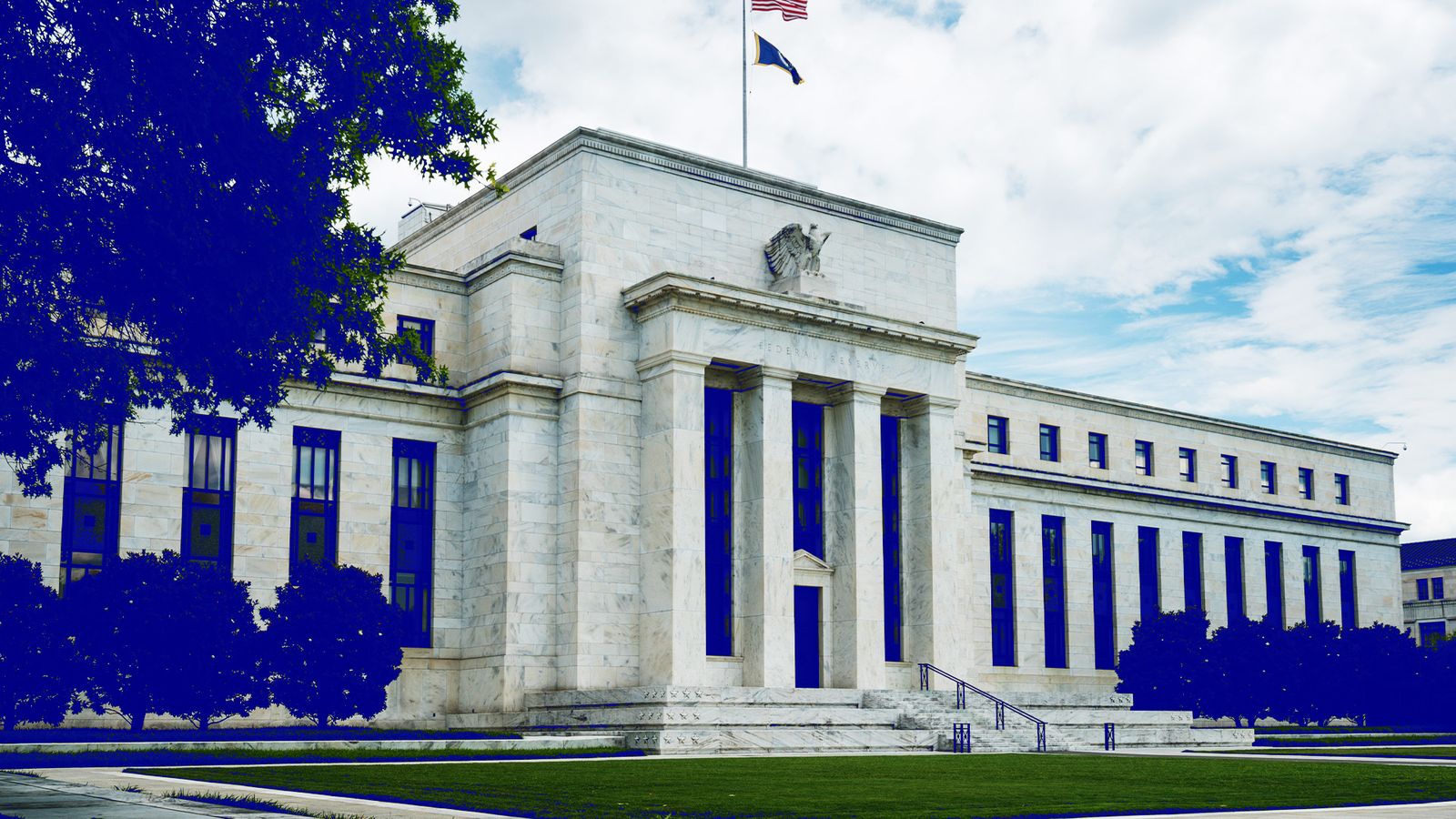
Fed proposes reserve limits, capital standards for stablecoin issuers under GENIUS Act
The Federal Reserve proposed new measures for stablecoin issuers, including reserve-asset limits and standardized capital requirem...