US To Buy 1 Million Bitcoin For Reserves, Hints Michael Saylor
MicroStrategy founder and executive chairman Michael Saylor suggested that the United States might purchase one million Bitcoin for its strategic reserves. His remarks came during an interview with FOX Business ahead of...
Archive context
Older archive item. Useful for background and entity history, but not a fresh market-moving signal.
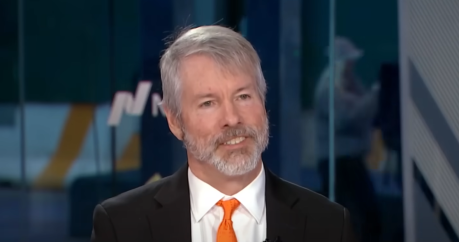
MicroStrategy founder and executive chairman Michael Saylor suggested that the United States might purchase one million Bitcoin for its strategic reserves. His remarks came during an interview with FOX Business ahead of Friday’s White House Crypto Summit, to be hosted by US President Donald Trump.
Saylor, whose company is widely known for its significant Bitcoin holdings, confirmed that MicroStrategy owns approximately 500,000 of the digital tokens, accounting for “about 2.4% of the worldwide supply.” He is one of several crypto-industry figures expected to join the presidential roundtable that will advise the administration on digital asset policy.
Will Trump Buy 1 Million Bitcoin?When asked how the government would finance such a large crypto reserve, Saylor pointed to a deliberate, multi-year timeline, referencing a “six-month process” set out by the recent executive order. He added: “There are 12 members on the presidential working committee. There’ll be involvement from the industry. There’ll be involvement from the Senate and from the house and I and it’s above my pay grade to decide how it is determined.”
According to Saylor, “the longest bill [by Senator Lummis] has laid out the idea of acquiring Bitcoin strategically over four years, just consistently day by day in order to reach a million Bitcoin target.” Currently, the US government is believed to hold 200,000 BTC—worth an estimated $17 billion at today’s prices.
Should it proceed with additional large-scale purchasing, the effect on the price of Bitcoin could be considerable. However, Saylor argued that the most “responsible” approach would be “to go slow and steady and deliberate with clear telegraphing and transparency” rather than making abrupt acquisitions that could roil the market. Central to Saylor’s stance is the classification of Bitcoin as “digital property,” an asset without a central issuer.
“The real key about Bitcoin is for people to understand that it’s a digital property. It’s a savings account that empowers every single American to save their wealth and preserve it over time,” Saylor explained. He emphasized that if the US government provides clarity around this status, it could instill greater confidence in citizens to consider cryptocurrencies a legitimate savings vehicle.
In discussing whether taxpayer money should be used to purchase Bitcoin, Saylor drew a distinction between different digital assets. While Bitcoin (as a “digital commodity”) is, in his view, well-suited for strategic reserves, he also acknowledged the importance of digital currencies (stablecoins), tokenized securities (for capital efficiency), and token-based utility projects. Nevertheless, he singled out Bitcoin as the prime candidate for a national reserve, calling it “the one universally agreed-upon foundational asset in the entire crypto economy.”
MICHAEL SAYLOR HINTS THE USA WILL BUY 1 MILLION #BITCOIN FOR ITS RESERVE
IT’S HAPPENING pic.twitter.com/jr73piPfNY
— Vivek (@Vivek4real_) March 5, 2025
Saylor also addressed skeptics who question the rationale for a national Bitcoin reserve compared to more traditional strategic reserves such as oil or medical supplies. He compared Bitcoin to property, invoking a historical analogy: “We bought 75% of this nation with about 40 million dollars […] We bought Louisiana. We bought California. We bought Texas. We bought Alaska. It’s property. If you think of Bitcoin as property in cyberspace and you say where is all the money in the world headed? Well, it’s headed from foreign countries […] It wants to go from the physical world to the digital world.”
For those concerned about the fundamental ethos of Bitcoin as a decentralized asset with no government involvement, Saylor insisted that official adoption need not contradict the cryptocurrency’s original design. “Satoshi gave us a process, a protocol for prosperity. That’s what we call Bitcoin,” he said. While early adopters may have favored minimal regulation, Saylor believes nation-states “interested in economic empowerment and prosperity” will inevitably follow individuals and corporations into the digital domain.
At press time, BTC traded at $91,725.
Why this matters
This bitcoin story adds another data point to the current market tape and is useful when read alongside nearby source coverage.
Original source
Read on NewsBTCRelated market context
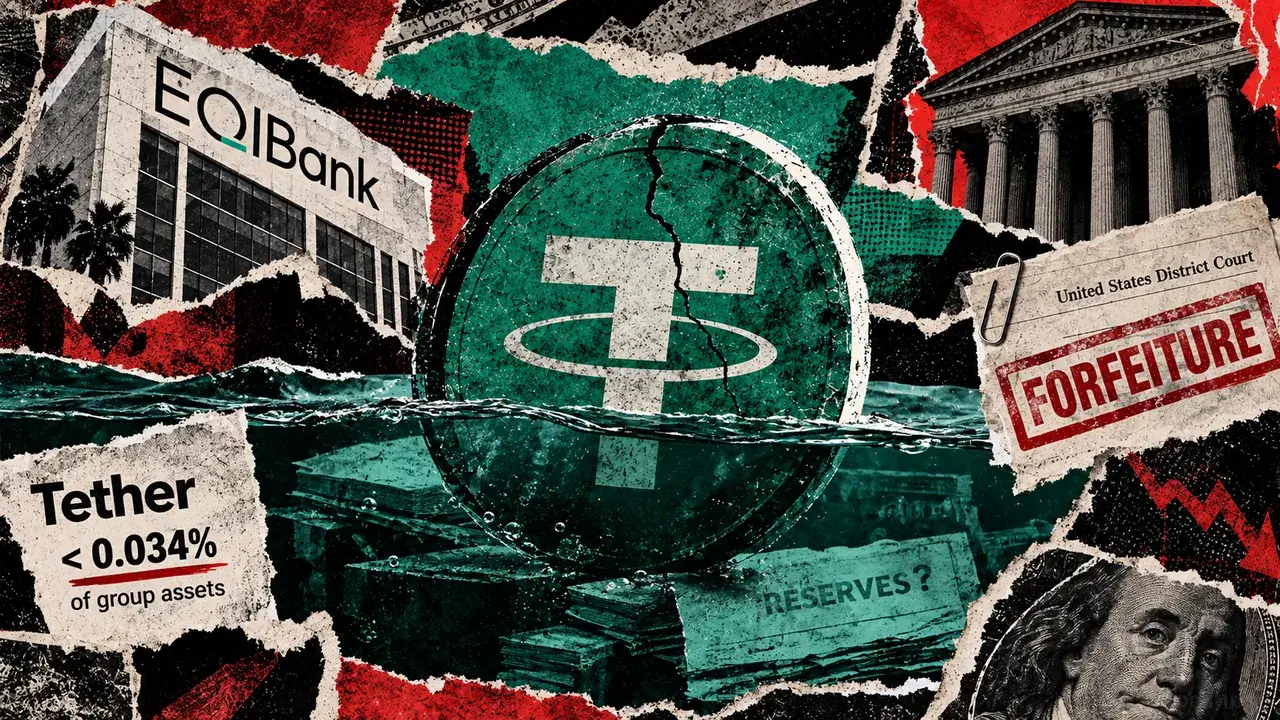
An $84 million US asset seizure just sparked a massive question for Tether
Tether has disclosed exposure to EQIBank as the bank fights a US seizure involving payment processor Capstone Limited, raising a q...

Strategy’s Michael Saylor proposes bill of digital rights for future economy
Saylor's digital rights proposal could democratize capital access, fostering innovation and competition by reducing reliance on tr...
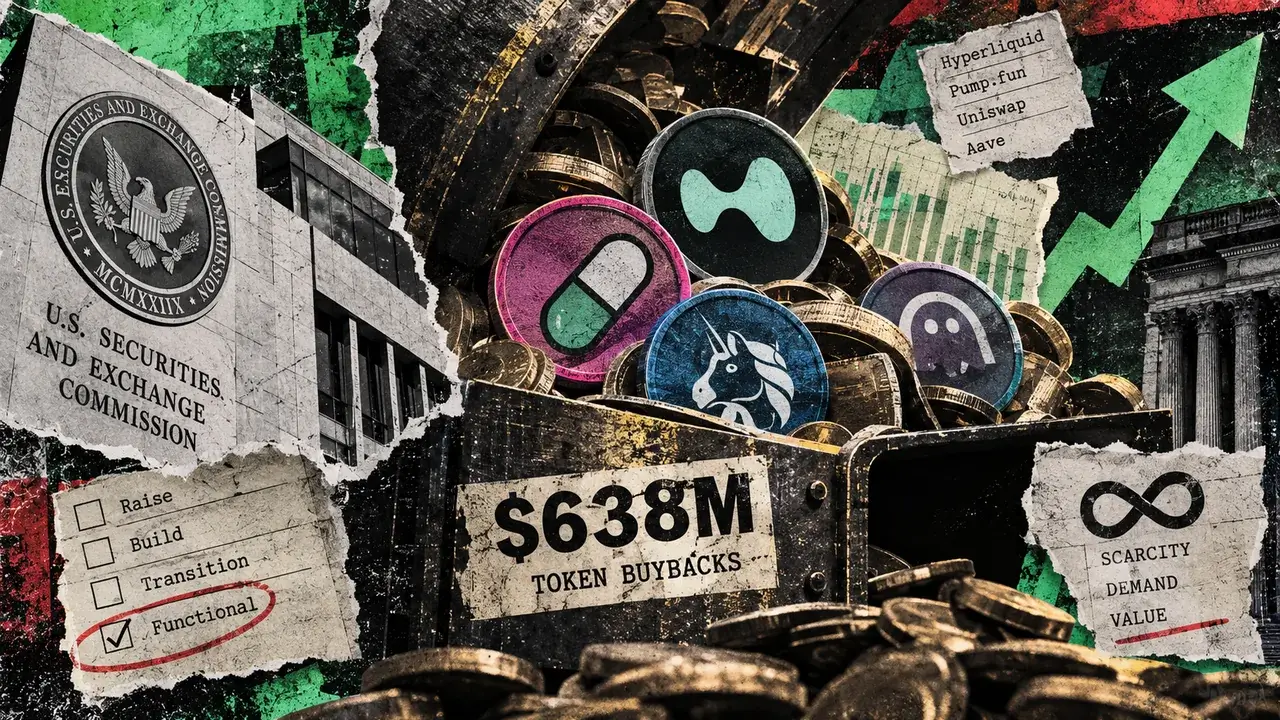
SEC clears regulatory hurdle as crypto token buybacks hit record $638 million
Crypto projects spent about $638 million with token buybacks through late August 2026, according to Allium Labs data. That is alre...
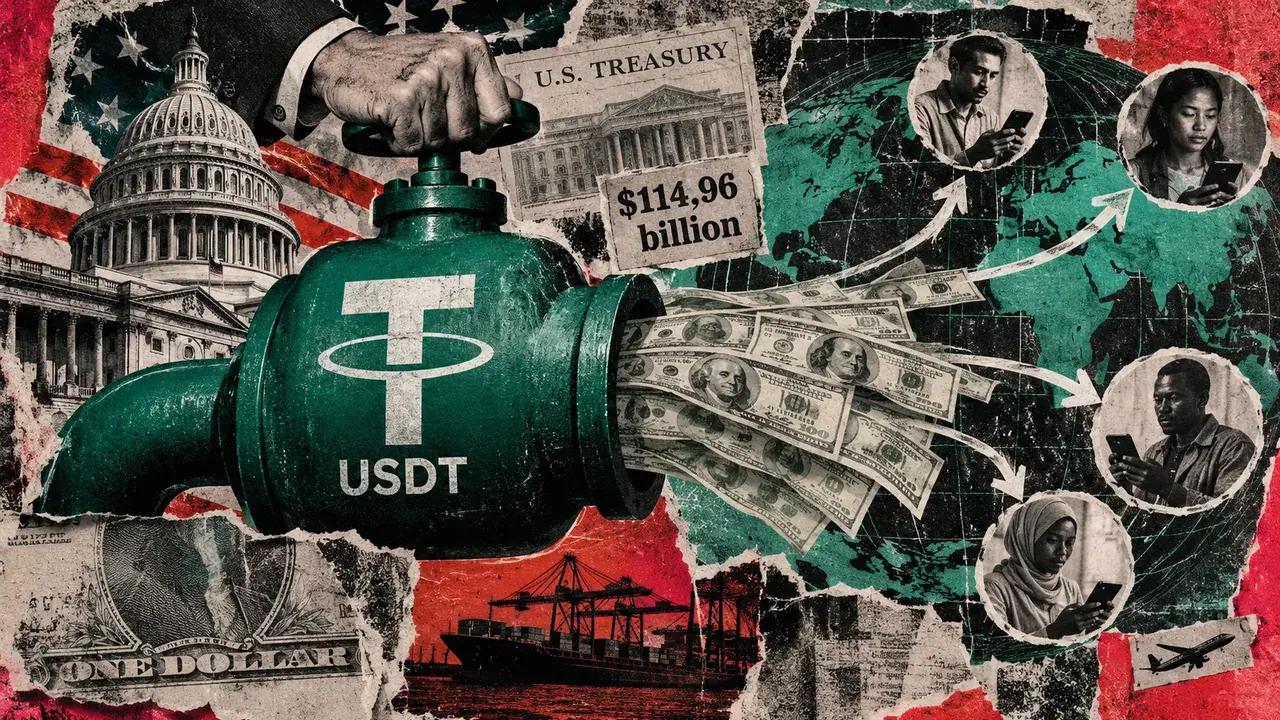
Washington has $114 billion reasons to want Tether around
Not that long ago, Washington fined Tether for misleading people about the dollars behind its tokens. Today, the company's insatia...
Bitget Reopens Bitcoin Withdrawals, Starting Phased Restart After $388 Million Hack
Bitget reopened bitcoin withdrawals on Monday, the first step in bringing back a service the exchange has kept frozen since attack...

How Settlemint and Utila Are Securing Institutional Tokenized Assets
Settlemint and Utila have partnered to address a critical operational bottleneck for financial institutions moving tokenized asset...