US Treasury vs. Tehran: Iran in Bitcoin Cat and Mouse Game
US Treasury Secretary Scott Bessent announced sanctions on a network of Iran-linked Bitcoin crypto wallets this week, freezing $344 million in crypto. This is one of the largest single enforcement actions targeting Tehra...
Archive context
Older archive item. Useful for background and entity history, but not a fresh market-moving signal.

US Treasury Secretary Scott Bessent announced sanctions on a network of Iran-linked Bitcoin crypto wallets this week, freezing $344 million in crypto. This is one of the largest single enforcement actions targeting Tehran’s on-chain infrastructure.
Under Economic Fury, @USTreasury will continue to systematically degrade Tehran’s ability to generate, move, and repatriate funds.
Treasury’s Office of Foreign Assets Control is sanctioning multiple wallets tied to Iran — resulting in the freeze of $344 million in…
The move came as the Trump administration escalates economic pressure on Iran during active nuclear negotiations, and it signals that the Treasury is no longer treating crypto as a peripheral sanctions enforcement problem.
Iran’s crypto ecosystem was valued at more than $7.78 billion last year, growing faster than in 2024, and the Islamic Revolutionary Guard Corps now accounts for half of all on-chain activity.
IRAN’S CRYPTO ECOSYSTEM JUST HIT ~$7.8B IN 2025
According to Chainalysis, Iran’s crypto economy reached about $7.78 billion in 2025 — growing from the year before as Bitcoin withdrawals surged during nationwide protests and an internet blackout.
This wasn’t just trading volume… https://t.co/6d5ZV5bwF9 pic.twitter.com/YA1R2Of0mj
The Central Bank of Iran bought more than $500 million in USDT last year. Allegedly and systematically routing reserves through a US dollar-pegged stablecoin to circumvent SWIFT-dependent banking rails. Elliptic flagged the purchases in a January report, calling it part of a deliberate strategy to access dollar liquidity without touching the correspondent banking system.
BREAKING:
Central Bank of Iran has bought over $500 million in USDT to support its currency and its trade, per Elliptic. pic.twitter.com/VnSxhvcuyO
USDT’s appeal is structural. It carries dollar stability without requiring a US bank account, settles on public blockchains in minutes, and moves freely across borders. Iran has been exploiting that window aggressively.
Geopolitical flashpoints like the Strait of Hormuz dispute have only accelerated the integration: in early April, Iranian authorities announced they would require oil ships transiting the strait to pay tolls in bitcoin, formalizing crypto’s role in sovereign trade infrastructure.
BREAKING: European Union says navigation through Strait of Hormuz should be with 'no payment or toll whatsoever'
Meanwhile Iran is cashing in $2,000,000 in Bitcoin or Yuan per tanker! pic.twitter.com/cDc3CLOLZR
The IRGC’s parallel operation is harder to trace. By using subsidized electricity, the IRGC engages in crypto mining and is effectively converting energy into non-sanctionable money, according to a Tehran-based cryptocurrency and blockchain researcher.
Freshly mined Bitcoin carries no transaction history; it is clean of any address exposure that on-chain analytics firms can flag. That makes it far more useful than coins circulating through sanctioned exchanges, and it means the IRGC is generating hard currency from energy assets that no enforcement action can retroactively freeze.
Discover: The best crypto to diversify your portfolio with
On-Chain Loopholes Multiplying?OFAC tied the frozen $344 million specifically to USDT wallets to Iran’s oil payment masking operations, with Tether blacklisting the flagged addresses.
“We will follow the money that Tehran is desperately attempting to move outside of the country and target all financial lifelines tied to the regime,” Bessent posted on X.
But the gaps remain visible in the transaction data. Between February 28 and March 2, following US-Israel strikes, on-chain analytics detected $10.3 million in cryptoasset outflows from Iran linked Bitcoin wallets. Chainalysis confirmed that some of those wallets had historical exposure to IRGC-identified addresses, indicating state-level fund movement in real time.
Before Israel’s 12-day war in June 2025, TRM Labs identified a 150 percent spike in outflows from Nobitex. Within minutes of the first strike, outgoing volumes surged 700 percent. Even when $90 million was stolen from Nobitex in a June 18 cyberattack attributed to Israel-linked group Predatory Sparrow, the platform’s 11 million users kept trading. The ecosystem absorbed the hit.
Martin said regulators “are coming to understand” that cryptocurrencies are being used at scale for sanctions evasion, and more designations are coming. If Treasury coordinates its next wave of actions with DOJ and FinCEN to target virtual asset service providers processing Iranian flows, and pressures stablecoin issuers to implement proactive blocking rather than reactive blacklisting.
Discover: The best pre-launch token sales
The post US Treasury vs. Tehran: Iran in Bitcoin Cat and Mouse Game appeared first on Cryptonews.
Why this matters
Bitcoin is showing up inside the Stablecoins theme, so this story is worth tracking for follow-through rather than treating it as a one-off headline.
Original source
Read on CryptonewsRelated market context
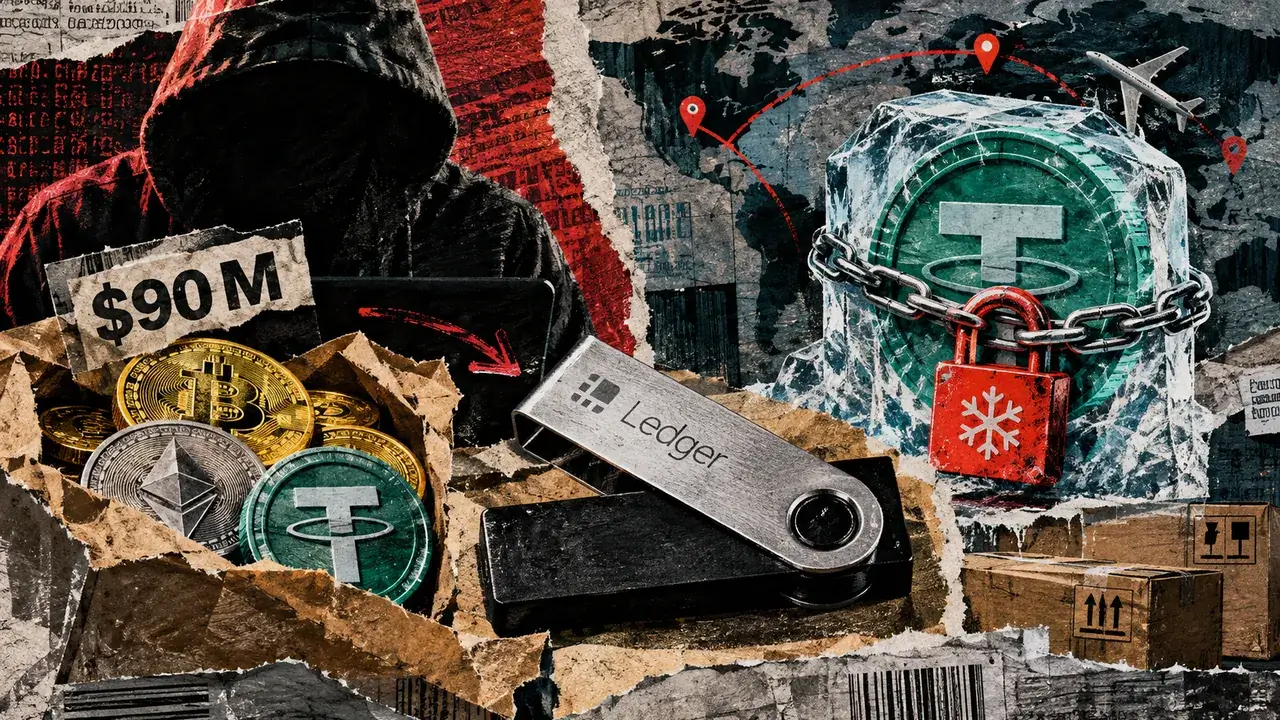
Ledger hack scare nears $90 million as Tether moves to freeze stolen USDT
Suspected Ledger wallet thefts are approaching $90 million as Tether freezes USDT stablecoin linked to the incident, according to...
Tether Freezes $1.45M in THORChain USDT Vaults, Then Reverses Blacklist Hours Later
Key Takeaways: The amount of about $1.45 million in USDT was temporarily frozen in THORChain vault addresses. According to THORCha...

Ledger theft-linked funds shift from USDT to USDD to dodge Tether freezes
The shift from USDT to USDD underscores vulnerabilities in stablecoin freeze mechanisms, prompting scrutiny on regulatory and secu...

Tether froze 1.45 million USDT in THORChain vaults, then reversed course three hours later
The incident highlights the vulnerability of DeFi protocols to centralized issuer actions, emphasizing the need for diversified as...

Tether freezes USDT linked to Ledger user thefts near $90 million
The freeze highlights the need for robust supply chain security and raises concerns about the limitations of centralized control i...
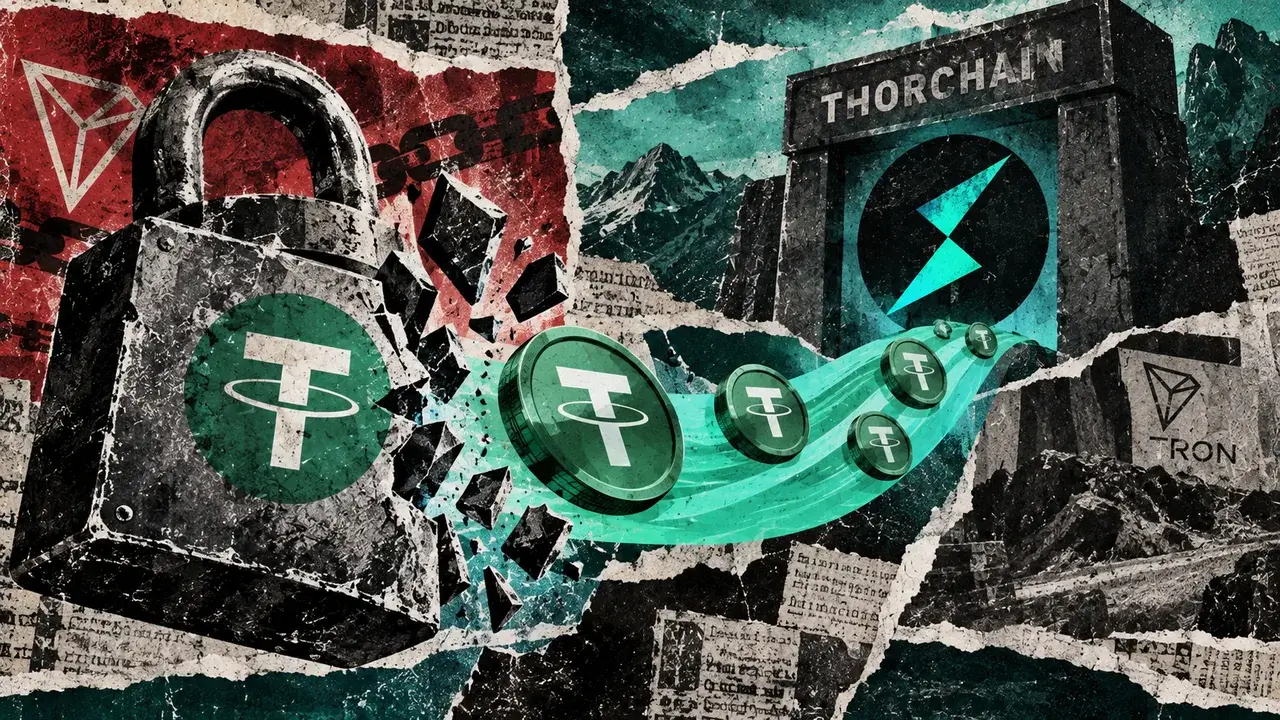
Tether freezes $1.4M in TRON vaults and THORChain stalls
THORChain's TRON operations were interrupted on Oct. 9 after a USDT vault blocklist, according to reports by its co-founder Chad B...