Utah Senate Passes Bitcoin Legislation, but Drops Key Reserve Provision
Key Takeaways: Utah passes HB230, securing Bitcoin mining rights but removing state treasurer’s authority to invest in crypto. Lawmakers exercise caution, avoiding premature adoption of potentially risky crypto investmen...
Archive context
Older archive item. Useful for background and entity history, but not a fresh market-moving signal.
Key Takeaways:
- Utah passes HB230, securing Bitcoin mining rights but removing state treasurer’s authority to invest in crypto.
- Lawmakers exercise caution, avoiding premature adoption of potentially risky crypto investment policies.
- Meanwhile, states like Arizona and Texas push forward with their own Bitcoin reserve initiatives.
With the recent passage of HB230, the “Blockchain and Digital Innovation Amendments” bill, the Utah Senate has made a major move in the national debate regarding cryptocurrency regulation in both the progressive and conservative political corridors that define the landscape across the country. The passage of the bill initially led to optimism, but it came with a vital caveat: the legislation was stripped from its original version of a provision that would have granted the state treasurer the power to invest in Bitcoin. The move raises questions regarding Utah’s ambition to be at the forefront of crypto innovation — and what other states should make of proposed legislation to follow suit.
HB230: A Weakened Win for Bitcoin SupportersHB230 was originally designed to make Utah the first state in the US to establish its own Bitcoin reserve — a groundbreaking piece of legislation. Under this ambitious scheme, the state treasurer would have been permitted to invest in cryptocurrencies with a total market cap of more than $500 billion in the immediately preceding financial year — up to 5% of the crypto-assets in state accounts. At present, the only digital asset that fits this bill is bitcoin.
The bill’s early momentum had given hope to many within the crypto community who felt Utah could blaze a trail for other states to follow. However, as the legislation moved through the legislative process, there were concerns, which led to the investment provision being dropped.
Why the Change of Heart? Handling Legislative ChallengesSenator Kirk A. Cullimore, a sponsor of the bill, admitted on the floor that the change was due to those reasons. We had “a lot of concern” about being early adopters—whether it was a good idea, whether it was risky, and differing personal opinions on cryptocurrency investment potential, he revealed.
The statement highlights the kind of caution that a lot of lawmakers are applying to digital assets. The promise of transitioning to crypto is undeniable, but the volatility and uncertainty loom large. This is not a singular sentiment. Fewer than half of state legislators would vote for a bill that directly involves state investment in cryptocurrencies before there is clarity from the federal government about how states should be regulating the assets, according to a recent survey conducted by CoinDesk.
Utah Senator Kirk A. Cullimore confirmed the amendment to HB230 to remove the reserve clause. Source: Utah State Legislature
What Is Accomplished by HB230: Fundamental Rights for UtahnsOverall, while the removal from the bill of the provision preventing the purchase of a Bitcoin reserve for the state was disappointing, all in all, HB230 unites both critics and advocates in support of various consumer rights and protections for Utahns involved in cryptocurrency. The amended bill guarantees:
- The Right to Mine Bitcoin: Utah residents can mine Bitcoin unobstructed by the regulatory burden.
- The Right to Run a Node: Anybody can run Bitcoin nodes, a feature central to the decentralized nature of Bitcoin.
- The Right to Participate in Staking: The bill ensures residents can stake, potentially earning rewards by securing blockchain networks.
- Custodial Protection: The draft outlines protection for those who store and control their own cryptocurrency.
Although not as ambitious as the original Bitcoin reserve plan, these provisions are a positive step toward a more crypto-friendly regulatory environment in Utah. They help create a legal environment that enables individuals to participate in the crypto economy, which promotes innovation and may also encourage blockchain companies to set up operations in that state.
Related News: Crypto Reserve Status Draws Closer for Arizona on Senate Confirmations
Federal Action: The Role of the Executive BranchDiscussions about state-level Bitcoin reserves must be viewed within the broader context of federal policy and regulation. Coinciding with the Utah Senate’s passing of HB230, President Donald Trump also signed an executive order creating a Federal Strategic Bitcoin Reserve on the same day.
This effort will help establish a national Bitcoin stockpile, mostly derived from physical forfeitures in criminal prosecutions, and contribute to forensic research on the blockchain, as they will have access to the entire Bitcoin blockchain. In addition, the executive order instructs the Treasury and Commerce secretaries to formulate a plan on obtaining more Bitcoin without budget impact.
The post Utah Senate Passes Bitcoin Legislation, but Drops Key Reserve Provision appeared first on CryptoNinjas.
Why this matters
This bitcoin story adds another data point to the current market tape and is useful when read alongside nearby source coverage.
Original source
Read on CryptoNinjasRelated market context

Kalshi Loses Again as Sixth Circuit Says States Can Police Its Sports Contracts
Prediction markets like Kalshi have argued that because the Commodity Futures Trading Commission regulates their exchanges, state...
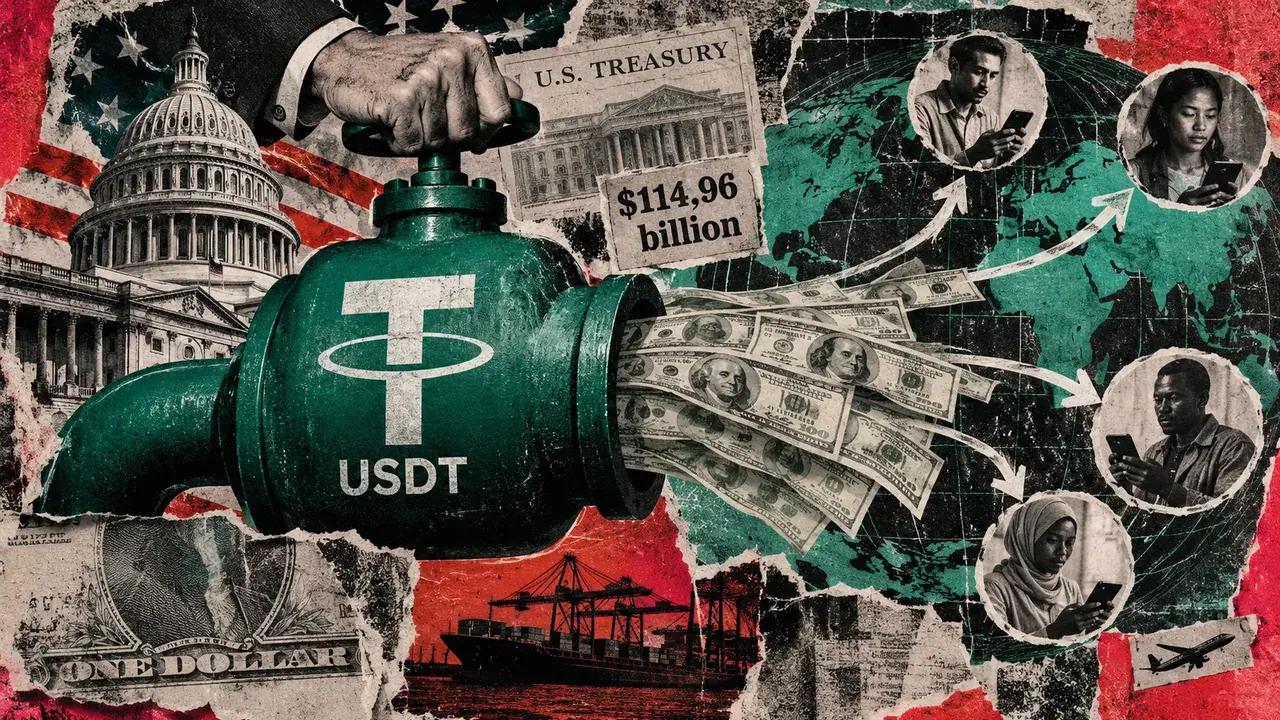
Washington has $114 billion reasons to want Tether around
Not that long ago, Washington fined Tether for misleading people about the dollars behind its tokens. Today, the company's insatia...
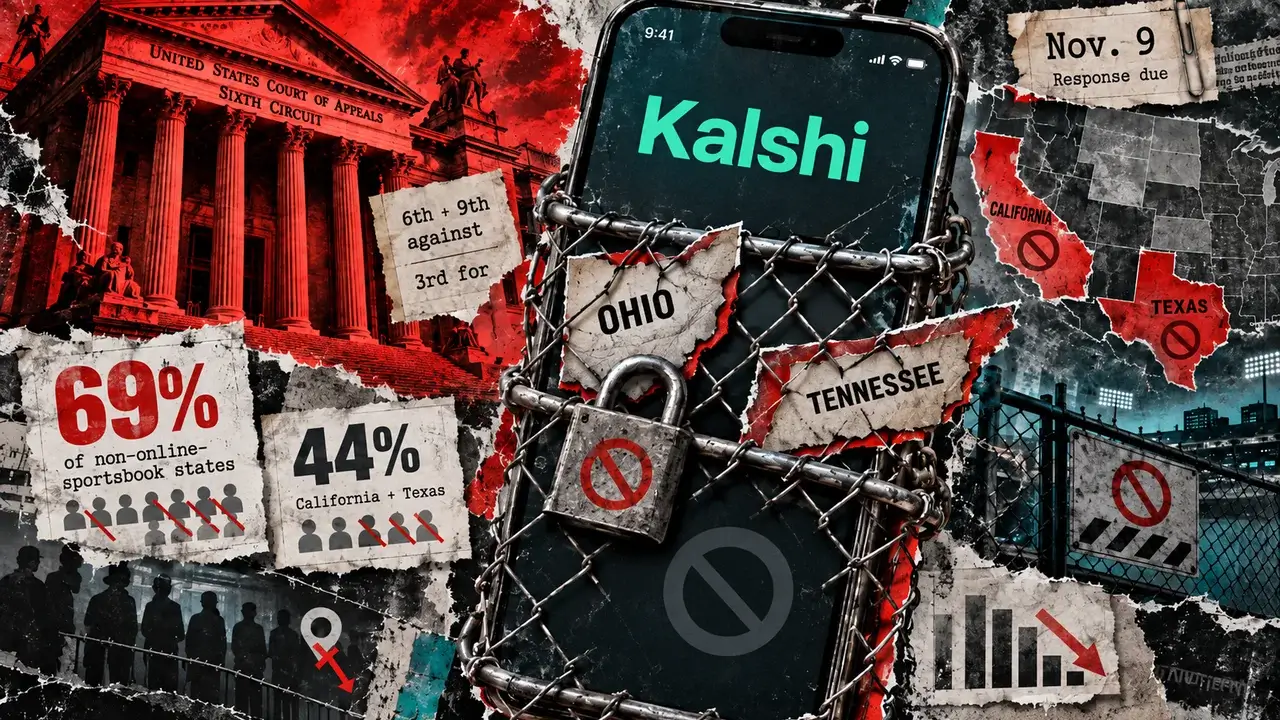
Kalshi must lock out state users after major court loss
The Sixth Circuit ruled Sept. 25 that Ohio and Tennessee can apply their gambling laws to Kalshi's sports contracts. The court rej...
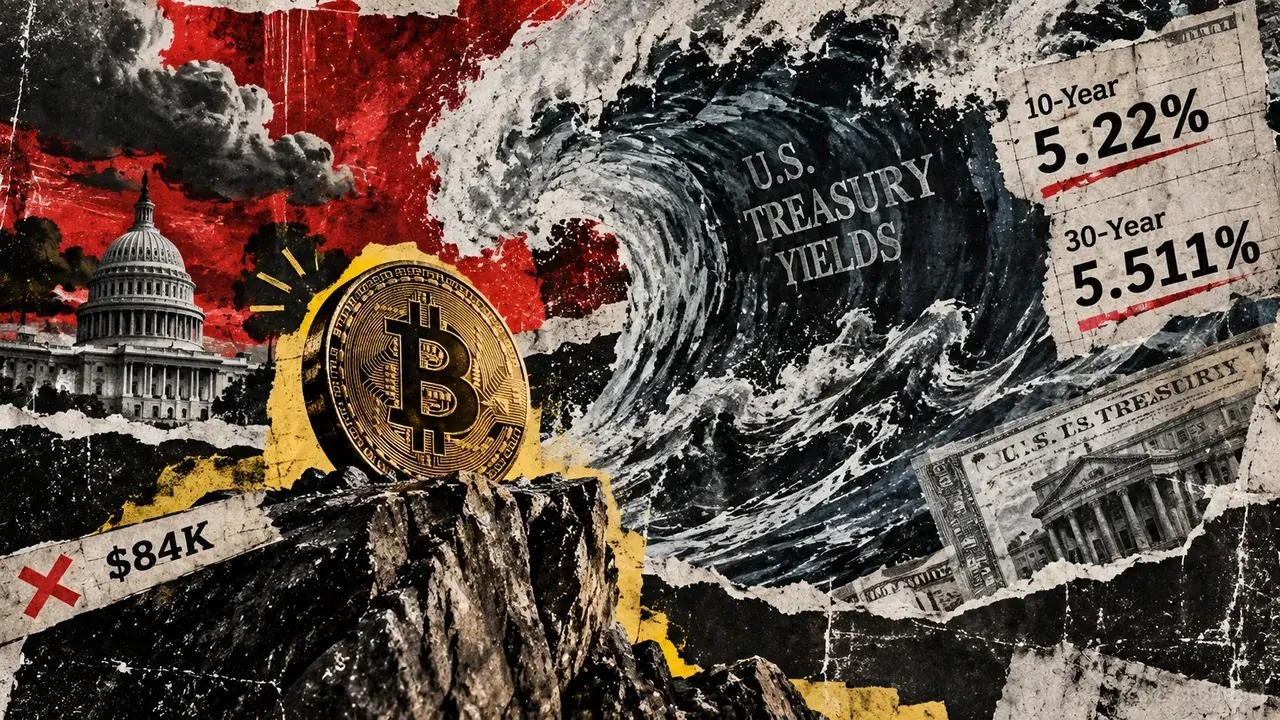
Bitcoin survives a 5.2% Treasury shock as traders slash $1.7 billion in leverage
Bitcoin is holding near $84,000 even as a historic US bond selloff pushes Treasury yields to decades-high levels. The benchmark 10...

Grant Cardone: Real Estate “Armageddon” Is Here – Why BITCOIN is the Hedge
Bitcoin Magazine Grant Cardone: Real Estate “Armageddon” Is Here – Why BITCOIN is the Hedge Commercial real estate is facing a his...

Bitcoin ETFs Extend Winning Streak With Nearly $3B in Inflows
Bitcoin Magazine Bitcoin ETFs Extend Winning Streak With Nearly $3B in Inflows Bitcoin exchange-traded funds are on a winning stre...