Was Bitcoin price drop to $75K the bottom? — Data suggests BTC to stocks decoupling will continue
Bitcoin (BTC) fell below $75,000 on April 6, pressured by traditional markets as S&P 500 futures hit their lowest levels since January 2024. The initial panic also caused WTI oil futures to drop below $60 for the first t...
Archive context
Older archive item. Useful for background and entity history, but not a fresh market-moving signal.

Bitcoin (BTC) fell below $75,000 on April 6, pressured by traditional markets as S&P 500 futures hit their lowest levels since January 2024. The initial panic also caused WTI oil futures to drop below $60 for the first time in four years. However, markets later recovered some losses, allowing Bitcoin to reclaim the $78,000 level.
Bitcoin's high correlation with traditional markets tends to be short-livedWhile some analysts argue that Bitcoin has entered a bear market following a 30% price correction from its cycle peak, historical data offers numerous examples of even stronger recoveries. Notably, Bitcoin's high correlation with traditional markets tends to be short-lived. Several indicators suggest traders are simply waiting for better entry opportunities.
40-day correlation: S&P 500 futures vs. Bitcoin/USD. Source: TradingView / Cointelegraph
Bitcoin's recent performance has been closely tied to the S&P 500, but this correlation fluctuates significantly over time. For example, the correlation turned negative in June 2024 as the two asset classes moved in opposite directions for nearly 50 days. Furthermore, while the correlation metric exceeded the 60% threshold for 272 days over two years — roughly 38% of the period — this figure is statistically inconclusive.
The recent Bitcoin price drop to $74,440 reflects heightened uncertainty in traditional markets. While periods of unusually high correlation between Bitcoin and traditional assets have occurred in the past, they rarely last long. Furthermore, most major tech stocks are currently trading down by 30% or more from their all-time highs.
Gold failed as a “store of value” between 2022 and 2024Even with a $1.5 trillion market capitalization, Bitcoin remains one of the top 10 tradable assets globally. While gold is often regarded as the only reliable “store of value,” this perspective overlooks its volatility. For instance, gold dropped to $1,615 by September 2022 and took three years to recover its previous all-time high of $2,075.
Although gold boasts a $21 trillion market capitalization — 14 times higher than Bitcoin’s— the gap in spot exchange-traded fund (ETF) assets under management is much narrower: $330 billion for gold compared to $92 billion for Bitcoin. Additionally, Bitcoin-listed instruments like the Grayscale Bitcoin Trust (GBTC) debuted on exchanges in 2015, giving gold a 12-year advantage in market presence.
Bitcoin ETFs' importance and resilience in BTC derivativesFrom a derivatives standpoint, Bitcoin perpetual futures (inverse swaps) remain in excellent condition, with the funding rate hovering near zero. This indicates balanced leverage demand between longs (buyers) and shorts (sellers). This is a sharp contrast to the period between March 24 and March 26, when the funding rate turned negative, reaching 0.9% per month—reflecting stronger demand for bearish positions.
Bitcoin perpetual futures 8-hour funding rate. Source: Laevitas.ch
Additionally, the $412 million liquidation of leveraged long positions between April 6 and April 7 was relatively modest. For comparison, when Bitcoin’s price dropped by 12.6% between Feb. 25 and Feb. 26, liquidations of leveraged bullish positions totaled $948 million. This suggests that traders were better prepared this time or relied less on leverage.
Finally, stablecoin demand in China offers further insight into market sentiment. Typically, strong retail demand for cryptocurrencies drives stablecoins to trade at a premium of 2% or more above the official US dollar rate. Conversely, a premium below 0.5% often signals fear as traders look to exit crypto markets.
Related: Michael Saylor’s Strategy halts Bitcoin buys despite dip below $87K
USDT Tether (USDT/CNY) vs. US dollar/CNY. Source: OKX
The premium for USD Tether (USDT) remained at 1% on April 7, even as Bitcoin's price dropped below $75,000. This suggests that investors are likely shifting their positions to stablecoins, potentially waiting for confirmation that the US stock market has reached its bottom before returning to cryptocurrency investments.
Historically, Bitcoin has shown a lack of correlation with the S&P 500. Additionally, the near-zero BTC futures funding rate, relatively modest futures liquidations totaling millions, and the 1% stablecoin premium in China point to a strong likelihood that Bitcoin's price may have found a bottom at $75,000.
This article is for general information purposes and is not intended to be and should not be taken as legal or investment advice. The views, thoughts, and opinions expressed here are the author’s alone and do not necessarily reflect or represent the views and opinions of Cointelegraph.
Why this matters
This bitcoin story adds another data point to the current market tape and is useful when read alongside nearby source coverage.
Original source
Read on CointelegraphRelated market context

Fed October Decision Polymarket Odds: October Rate Hike Sits at 64%
Bitcoin and the wider cryptocurrency market are facing a renewed macroeconomic headwind as traders increasingly anticipate another...

Strategy Wants To Pay Preferred Stock Dividends Every Day
TL;DR Strategy is asking shareholders to approve daily dividend record dates for STRC, STRD, STRF and STRK. The proposed change wo...

Washington has $114 billion reasons to want Tether around
Not that long ago, Washington fined Tether for misleading people about the dollars behind its tokens. Today, the company's insatia...
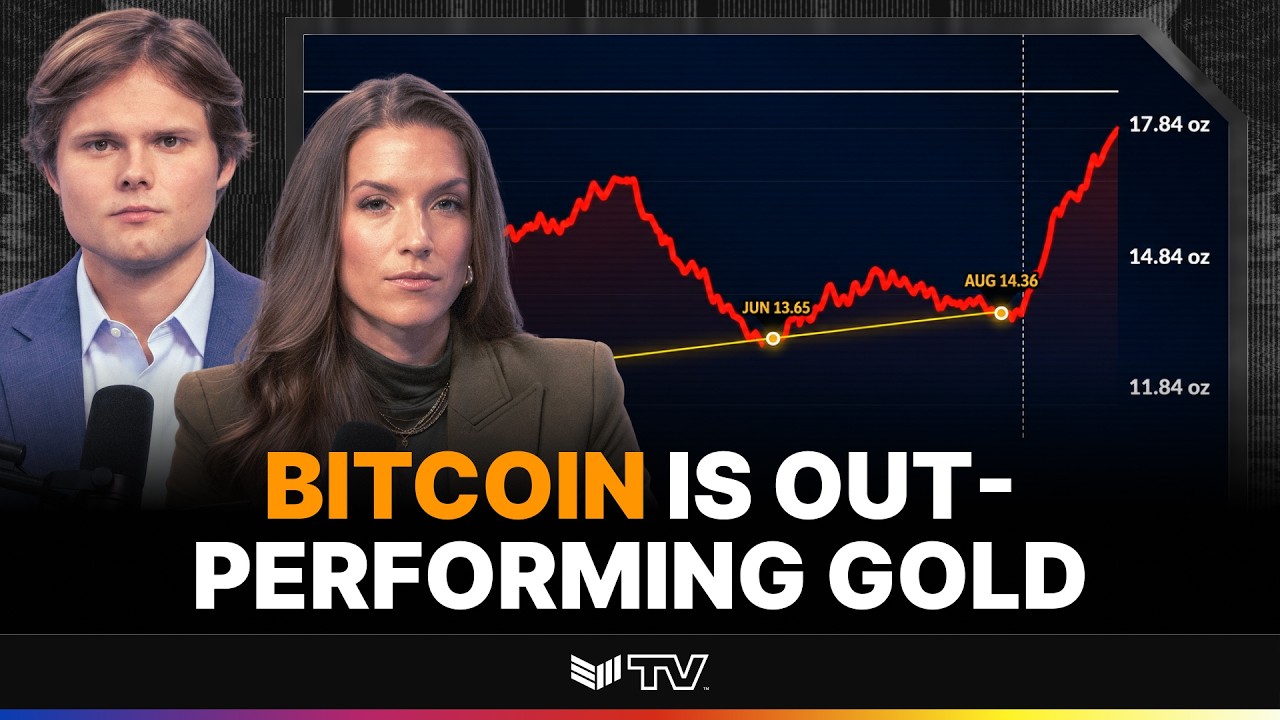
TECHNICAL ANALYSIS: BTC to Cross Key Price Level Against Gold
Bitcoin Magazine TECHNICAL ANALYSIS: BTC to Cross Key Price Level Against Gold The 90-day correlation between Bitcoin and gold jus...
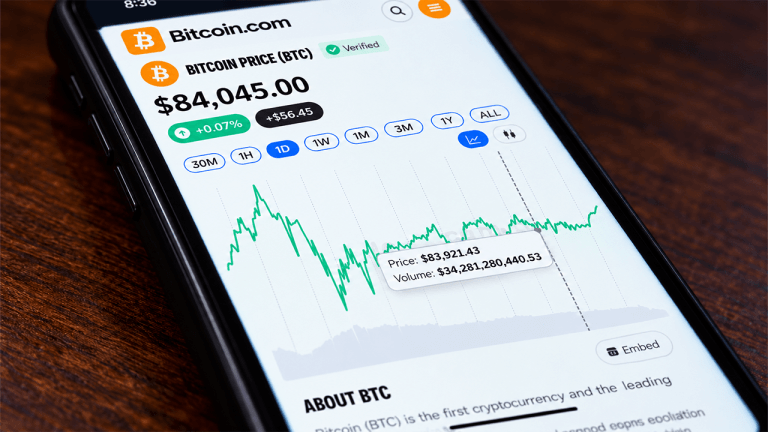
Bitcoin Price Still 33% Below Its Peak High as Bulls Plot a Comeback
At 8:30 a.m. Eastern time, bitcoin’s price stood at $84,162 on Saturday, Sept. 26, 2026, down 0.51% over 24 hours, as the leading...

Solana News: Ex-Binance and Polygon Execs Join the Solana Foundation
In Solana news, the Solana Foundation recently announced the hiring of Rachel Conlan, former Chief Marketing Officer at Binance, a...