Why Institutional Bitcoin Investors Need Optimal Networks
As Bitcoin is increasingly integrated into the economy, investors are recognizing the importance of scalability. Bitcoin investors are particularly interested in the potential of this digital asset to transform not only...
Archive context
Older archive item. Useful for background and entity history, but not a fresh market-moving signal.
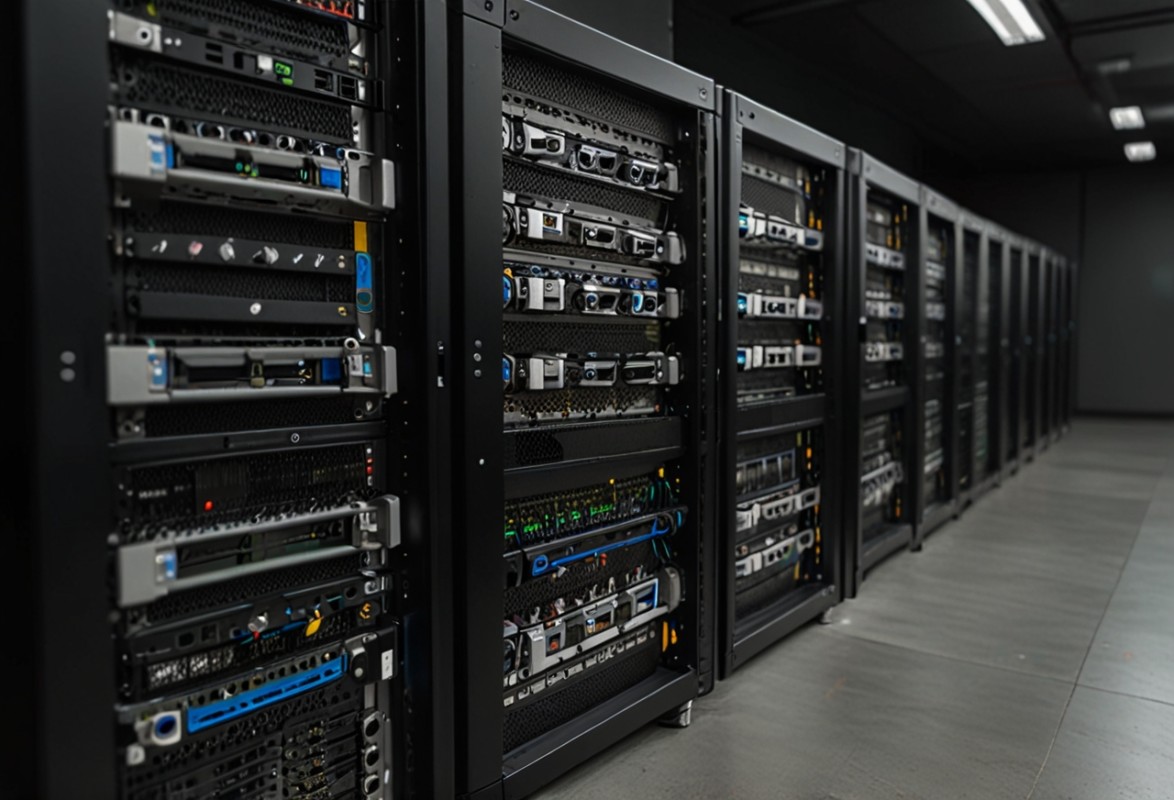
As Bitcoin is increasingly integrated into the economy, investors are recognizing the importance of scalability. Bitcoin investors are particularly interested in the potential of this digital asset to transform not only retail establishments and personal finances but also the goings-on of large institutions. From the financial to technology sector, Bitcoin is a novel domain that is poised to transform how finances are moved. There are critical considerations institutional investors must make regarding their network infrastructure before supporting large-scale Bitcoin. Learn how to prepare with the following insights that allow for security, speed, scalability, and effectiveness in the institutional Bitcoin trade.
Why Institutional Bitcoin Investors Need Optimal NetworksThe rise of Bitcoin is akin to the early Internet days. The speed at which society is adopting Bitcoin is calling for efficient and effective upgrades in network infrastructure. Financial security is of utmost importance, and the speed at which data can be transferred is paramount for the effective integration of Bitcoin into large institutions. Optimal network performance provides institutional Bitcoin investors with the following benefits:
- Enhanced transaction speed;
- Boosted security;
- More sustainable energy usage;
- The ability to accommodate large-scale Bitcoin operations.
Upgrading your network infrastructure is a strategic necessity when attempting to move into the large-scale Bitcoin space. The Bitcoin market is unique in its volatility, and a fast, stable network connection is imperative to keep up. Bitcoin can greatly diversify your institutional investment portfolio, but you must be aware of the requirements to do so on a larger or even global scale.
Network StabilityAs an institutional investor, you likely already work on an established network. Large companies typically have their own servers to keep their network stable and working at all times. This is crucial for operations to run smoothly, and that includes investments in Bitcoin.
Blockchain infrastructure requires a certain level of network stability due to the large amounts of transactional data that is stored across multiple databases in a distributed ledger. Bitcoin uses blockchain technology to ensure it is almost impossible for the data to be hacked or corrupted. To make sure your network is stable enough to transfer data between nodes, you must have:
- Scalable blockchain software, like IBM Blockchain;
- Reliable internal servers or external servers, like the Canton Network;
- Sufficient hardware, like robust graphics cards and CPUs;
- Stable, fast internet connection.
You will likely have multiple devices across a network communicating with each other all at once, so it’s imperative to have stable business internet. Your bandwidth should be able to accommodate large amounts of data being transferred and stored on internal and external servers at all times.
Keeping an Eye on Performance MetricsWhen selecting an internet service provider (ISP), hardware, and software package for your institutional Bitcoin investing, check on key performance metrics like packet loss and jitter. Packet loss is when some parts of transferred data don’t make it to the receiving end. Large amounts of data are more easily transferred across networks when broken down into pieces, or packets. However, some of these packets can be lost or corrupted if your hardware is insufficient, software has bugs, or your ISP’s network is clogged.
You can also experience jitter or the process of some of the packets coming at a delay. For Bitcoin investment, this is a deal-breaker. You need reliable, stable networks that don’t crash. You can solve this by upgrading your hardware, hosting your networks onsite, or partnering with a powerful ISP with low packet loss and jitter occurrences.
Energy ConsumptionInstitutional Bitcoin is not only taxing in terms of data load, but it is also energy-intensive. Consumers are increasingly keen on businesses’ commitments to sustainability, so finding alternative energy sources for Bitcoin mining and investment can be a strategic move. By employing energy-conscious moves like solar, you can enjoy:
- Lower energy costs and greater profits;
- Constant access to abundant power sources without Bitcoin investment interruption;
- Independence from the main energy grid, allowing you to be self-sufficient and have a leg up on the competition.
The potential of solar power to revolutionize Bitcoin mining and trading is palpable. It is currently being optimized to harness more photovoltaic power with less solar waste. Once these issues are resolved, using solar for Bitcoin transactions is poised to be the best way to reduce carbon emissions and lower your dependence on the energy grid. This can provide institutions with the resilience and stability needed to foster long-term Bitcoin viability.
Cloud-Based SolutionsIf you are looking to partner with external network solutions for institutional Bitcoin investment, make sure you vet the company thoroughly. Cloud-based solutions can be less energy-intensive and costly than setting up your own secure networks on-premises. However, they must be just as secure in order for Bitcoin investment to remain safe and scalable. For instance, Google Cloud and Voltage partnered to create global Lighting Network solutions. This means that they are offering low-cost, cloud-based services that are scalable and able to transmit data globally. Solutions like this set the standard for reputable cloud-based Bitcoin transfer.
Emphasize Speed, Security, and ScalabilityA stable network should also be a speedy network. Your ISP should match your expectations when it comes to high-traffic internet speeds. Working with secure partners or hosting servers onsite is the best way to keep institutional Bitcoin investment transactions safe and secure. Large-scale investments require a level of scalability that the Bitcoin industry is only beginning to experience. Make sure to vet every third-party institution that you work with, and brush up on hardware and software requirements regularly. This will make institutional Bitcoin investment a breeze as you move forward into the future of finance.
This is a guest post by Miles Oliver. Opinions expressed are entirely their own and do not necessarily reflect those of BTC Inc or Bitcoin Magazine.
Why this matters
This bitcoin story adds another data point to the current market tape and is useful when read alongside nearby source coverage.
Original source
Read on Bitcoin MagazineRelated market context

Bloomberg brings onchain stablecoin data to its Terminal
Bloomberg’s Allium-powered dashboard gives Terminal users hourly data on stablecoin supply, issuance, transfers and activity acros...

Stablecoin cards enter ‘hyper growth’ mode as monthly spending hits record $1.17 billion
Stablecoin card spending is accelerating to record levels, but the payment rail remains a fraction of the traditional card market....

Securitize joins the OUSD stablecoin network as a partner
Securitize's partnership with OUSD could streamline blockchain transactions, but its success hinges on converting partner growth i...

Open USD Stablecoin Goes Live as Stripe, Visa and Mastercard Open It to Businesses
Open USD (OUSD), the dollar stablecoin backed by Coinbase, Mastercard, Shopify, Stripe and Visa, went live on Wednesday, its opera...

Japan’s biggest payment network opens its doors for crypto via Binance Pay
Japanese payment provider PayPay added Binance Pay on Sept. 30, letting eligible overseas visitors pay from their crypto balances...

Bitcoin’s Institutional Era Has Arrived | Robinhood VP of Crypto Institutions Nicola White
Bitcoin Magazine Bitcoin’s Institutional Era Has Arrived | Robinhood VP of Crypto Institutions Nicola White Robinhood is bringing...