Why the Democrats’ Latest Framework for Crypto Market Structure Could Hurt Financial Privacy
Bitcoin Magazine Why the Democrats’ Latest Framework for Crypto Market Structure Could Hurt Financial Privacy This morning, 12 Senate Democrats published a six-page framework for digital asset market structure legislatio...
Archive context
Older archive item. Useful for background and entity history, but not a fresh market-moving signal.
Bitcoin Magazine
Why the Democrats’ Latest Framework for Crypto Market Structure Could Hurt Financial Privacy
This morning, 12 Senate Democrats published a six-page framework for digital asset market structure legislation in which they outlined their plan to combat illicit finance while protecting users’ financial privacy.
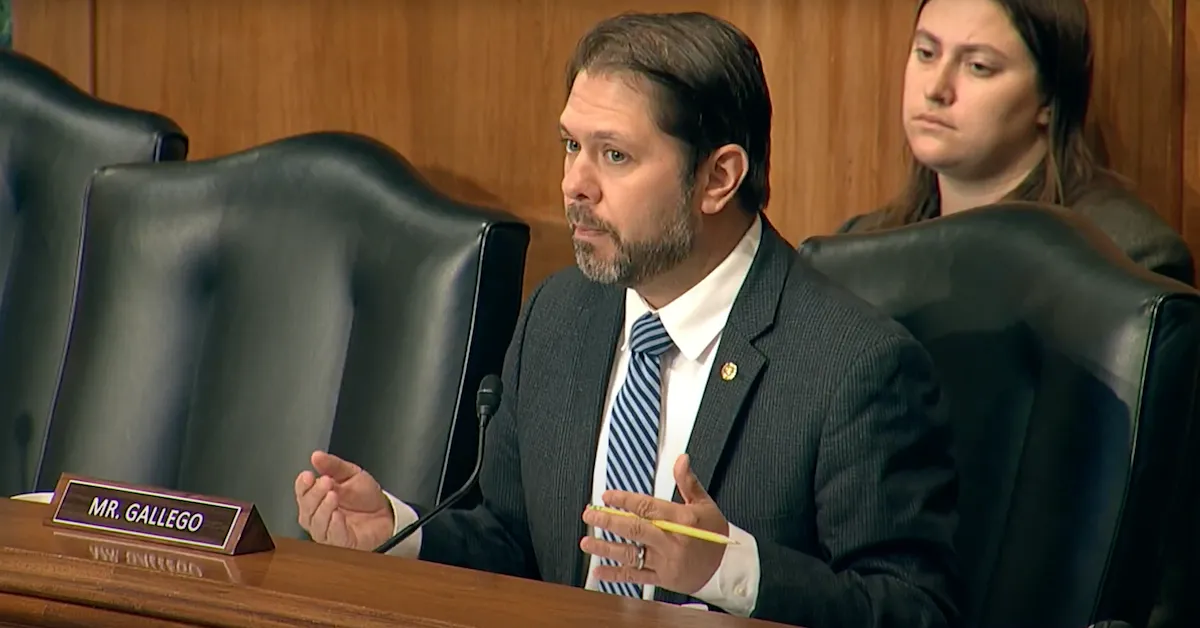
The group of Democrats, which included Senate Banking ranking member Ruben Gallego (AZ), Kirsten Gillibrand (NY), and Catherine Cortez Masto (NV), stated in the first page of the document that digital assets legislation should be guided by certain values, include “protecting financial privacy while denying bad actors access to the financial system.”
In the fifth section of the framework, they outlined what this looks like.
The outline included the following points:
- Require digital asset platforms to register with FinCEN as “financial institutions” under the Bank Secrecy Act (BSA), while adopting anti-money laundering/combatting the financing of terrorism (AML/CFT) policies
- Address bad actors’ use of DeFi platforms to circumvent illicit finance controls
- Ensure that crypto platforms serving U.S. customers comply with sanctions and AML/CFT requirements, even if domiciled abroad
- Shape ecosystems to isolate non-compliant platforms that enable illicit activity
What does “addressing bad actors’ use of DeFi platforms” look like? What role will U.S. regulators play in “shaping ecosystems to isolate non-compliant platforms”?
These questions remain unanswered as per this framework, which is notably less detailed and comprehensive than the draft of the CLARITY Act that the Senate Banking Committee recently released.
What comes to mind I think of the U.S. government “shaping digital asset” ecosystems is its pushing for the implementation of a digital ID that only allows for “good actors” to transact. Former CFTC Chair Tim Massad said he is in favor of such a scheme in an interview I conducted with him earlier this year.
Luckily, this would be nearly impossible to technically implement for bitcoin. Smart contract blockchain networks, on the other hand, would be more easily susceptible to the censoring of transactions, as the government could mandate that the smart contracts on the network include certain rules and stipulations within the code that prohibit bad actors from transacting.
What Democrats Should DoIf Democrats are looking to engage in Bitcoin and crypto regulation in good faith, they should be more specific about their intentions and include further details about how they plan to combat illicit finance while still preserving user privacy.
And in their next round of messaging, they should clearly define how they plan to “shape ecosystems” as well as provide clear definitions for what they mean by terms like “platforms”. For example, when they say “platforms” are they referring to centralized entities that hold users’ private keys like Coinbase or Kraken, or does the term also encompass services like Samourai Wallet or Tornado Cash?
They are questions that must be answered if Bitcoin and crypto advocates and enthusiasts are to trust that Democrats do in fact want to enshrine into law the right for Bitcoin and crypto users to preserve their privacy.
This post Why the Democrats’ Latest Framework for Crypto Market Structure Could Hurt Financial Privacy first appeared on Bitcoin Magazine and is written by Frank Corva.
Why this matters
This bitcoin story adds another data point to the current market tape and is useful when read alongside nearby source coverage.
Original source
Read on Bitcoin MagazineRelated market context

Raiffeisen’s 18M-Customer Crypto Push Expands Bitpanda Access Across 11 CEE Markets
Key Takeaways: Raiffeisen Bank International and Bitpanda are developing a digital-asset-services group-wide framework in Central...

Who is Ronald Spektor? New York Coinbase Scam Mastermind That Stole $15.9M
Everyone is asking the same question today. ‘Who is Ronald Spektor?’ Spektor, 23, of Sheepshead Bay, Brooklyn, was sentenced on Se...

Privy Expands Support for TRON with Enhanced Wallet and Payment Infrastructure for Developers
Geneva, Switzerland, September 24, 2026 – TRON DAO, the community-governed DAO dedicated to accelerating the decentralization of t...

Six Canadian Banks Explore Tokenized CAD Deposits
Key Takeaways: Six major Canadian banks are collaborating on Canadian dollar tokenized deposits to enable centralized, programmabl...
![[[alloc] init] Releases Shielded Bitcoin Proposal For Private Bitcoin Transactions](https://bitcoinmagazine.com/wp-content/uploads/2026/09/shielded2-scaled.jpeg)
[[alloc] init] Releases Shielded Bitcoin Proposal For Private Bitcoin Transactions
Bitcoin Magazine [[alloc] init] Releases Shielded Bitcoin Proposal For Private Bitcoin Transactions Shielded Bitcoin is a proposal...

ECB speeches seen impacting markets like policy moves; Bitcoin eyes volatility
ECB's communication strategy may heighten market sensitivity, influencing financial stability and potentially increasing Bitcoin's...