Will Bitcoin hodlers be the reason more countries adopt wealth taxes?
Opinion by: Robin Singh, CEO of KoinlyIs there a catch for Bitcoin hodlers, with the asset’s price up over 600,000% since the beginning of 2013? Perhaps — if governments keep waking up to Bitcoin’s value, the whole “you...
Archive context
Older archive item. Useful for background and entity history, but not a fresh market-moving signal.

Opinion by: Robin Singh, CEO of Koinly
Is there a catch for Bitcoin hodlers, with the asset’s price up over 600,000% since the beginning of 2013?
Perhaps — if governments keep waking up to Bitcoin’s value, the whole “you only pay tax when you sell” mantra could soon be a thing of the past.
What if a wealth tax is the answer for revenue-hungry tax agencies with no time to lose? It’s a yearly tax on a person’s total net worth — cash, investments, property and other assets — minus any debts, applied whether or not those assets are sold or generating income. The idea is to boost public revenue and curb inequality, mainly by taxing the ultra-rich. A wealth tax takes a clip off what you own, not what you earn.
Countries such as Belgium, Norway and Switzerland have had wealth taxes baked into their tax systems for ages, yet some of the world’s biggest economies — like the US, Australia and France — have largely steered clear.
That might be changing. More governments are eyeing wealth taxes for crypto. In December 2024, French Senator Sylvie Vermeillet took it a step further, suggesting Bitcoin (BTC) be labeled “unproductive,” which would mean taxing its gains every year — whether or not it’s ever sold.
Yep, every asset holder’s favorite word is unrealized capital gains tax. It would be naive to assume other countries are not thinking about the same idea.
With Bitcoin’s significant gains and industry executives such as ARK Invest’s Cathie Wood eyeing a $1.5-million price tag by 2030, I’d bet a magic 8-ball would say, “Signs point to yes.”
The growing global interest in wealth taxIt might seem far-fetched, but it is hard to ignore the gains. The average long-term Bitcoin holder is already sitting on significant profits.
The incentive is obvious. Switzerland’s wealth tax goes up to 1% of a portfolio’s value, and governments know there is plenty to collect.
Countries catch on — sooner or later. Consider how capital gains tax became the norm.
The US introduced capital gains tax in 1913, the UK jumped on board 52 years later in 1965, and Australia followed in 1985.
Governments likely considering the wealth taxGovernments are likely entertaining the idea — whether they admit it or not. If any country seriously considers it, Germany could be a prime candidate, even though it scrapped its wealth tax back in 1997.
Recent: Ukraine floats 23% tax on some crypto income, exemptions for stablecoins
In July 2024, offloading 50,000 seized BTC at $58,000 might have seemed like a smart move for the German government, but when Bitcoin hit $100,000 just months later in December, it became clear they left a fortune on the table.
In retrospect, a costly mistake…
Will this be remembered as a blunder on par with Gordon Brown selling half of the UK’s gold reserves at $275 an ounce?
Imposing such a rule on the wealthy comes with obvious risks.
To understand the real effect of taxation on a country, just follow the money — specifically, where millionaires are moving. Recent data shows that high-net-worth individuals are leaving countries like the United Kingdom in droves, heading for tax-friendly havens like Dubai.
The potential repercussions of a wealth taxWill nations risk losing these individuals to tap into unrealized gains on Bitcoin and other assets?
Bitcoin is volatile and full of unknowns. While some events could lead to massive losses, governments may still push forward with policies that ultimately drive away millionaires, only to realize the trade-off wasn’t worth it.
Conversely, US President Donald Trump recently signed an executive order establishing a Bitcoin Strategic Reserve — a clear nod to the hodl mentality. No doubt, this has other nations considering a similar move.
If nations are embracing the hodl mindset, could that mean wealth taxes are off the table in those countries? Only time will tell.
One thing is sure: Bitcoin hodlers have amassed enough wealth to put themselves on the radar of tax authorities. Whether this sparks fundamental policy changes or just political grandstanding, the crypto community won’t sit back quietly.
Opinion by: Robin Singh, CEO of Koinly.
This article is for general information purposes and is not intended to be and should not be taken as legal or investment advice. The views, thoughts, and opinions expressed here are the author’s alone and do not necessarily reflect or represent the views and opinions of Cointelegraph.
Why this matters
This bitcoin story adds another data point to the current market tape and is useful when read alongside nearby source coverage.
Original source
Read on CointelegraphRelated market context

Who Bought Bitcoin’s Breakout? The Answer Will Decide Whether The Price Holds
In August, bitcoin’s rally was driven by spot bitcoin ETFs, which bought for nine straight trading days, and by short sellers who...
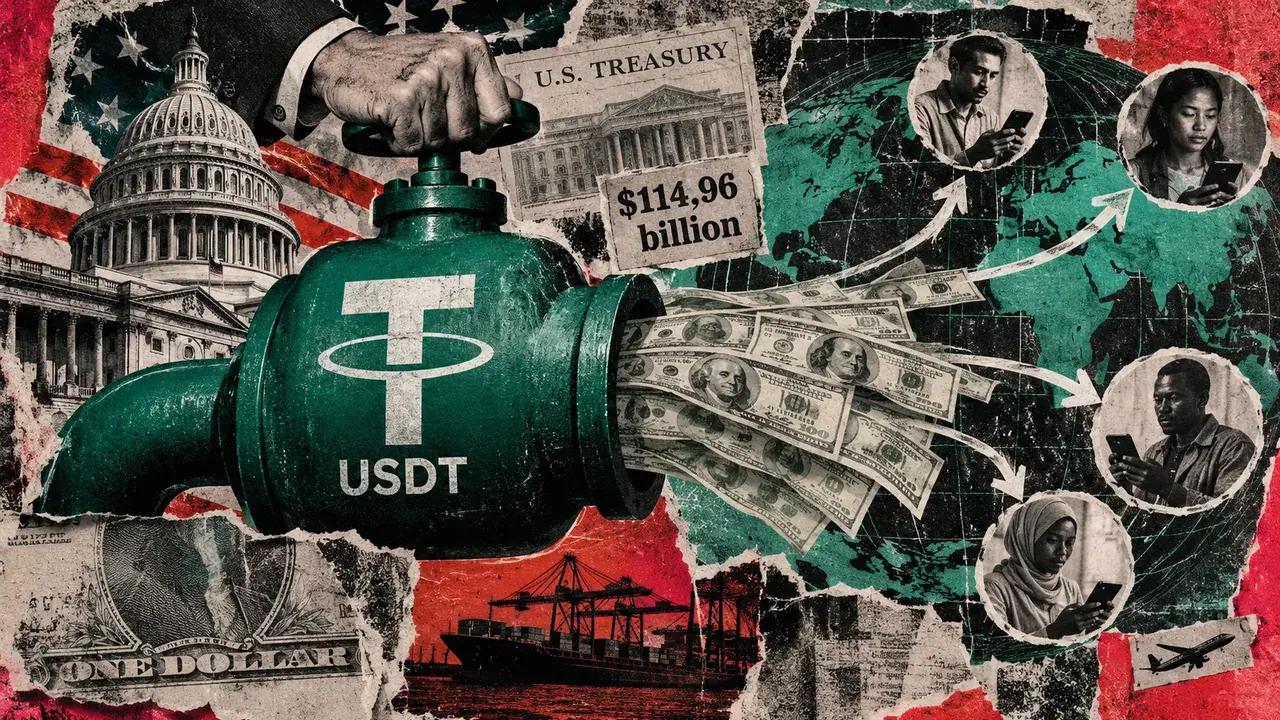
Washington has $114 billion reasons to want Tether around
Not that long ago, Washington fined Tether for misleading people about the dollars behind its tokens. Today, the company's insatia...

Kalshi must lock out state users after major court loss
The Sixth Circuit ruled Sept. 25 that Ohio and Tennessee can apply their gambling laws to Kalshi's sports contracts. The court rej...
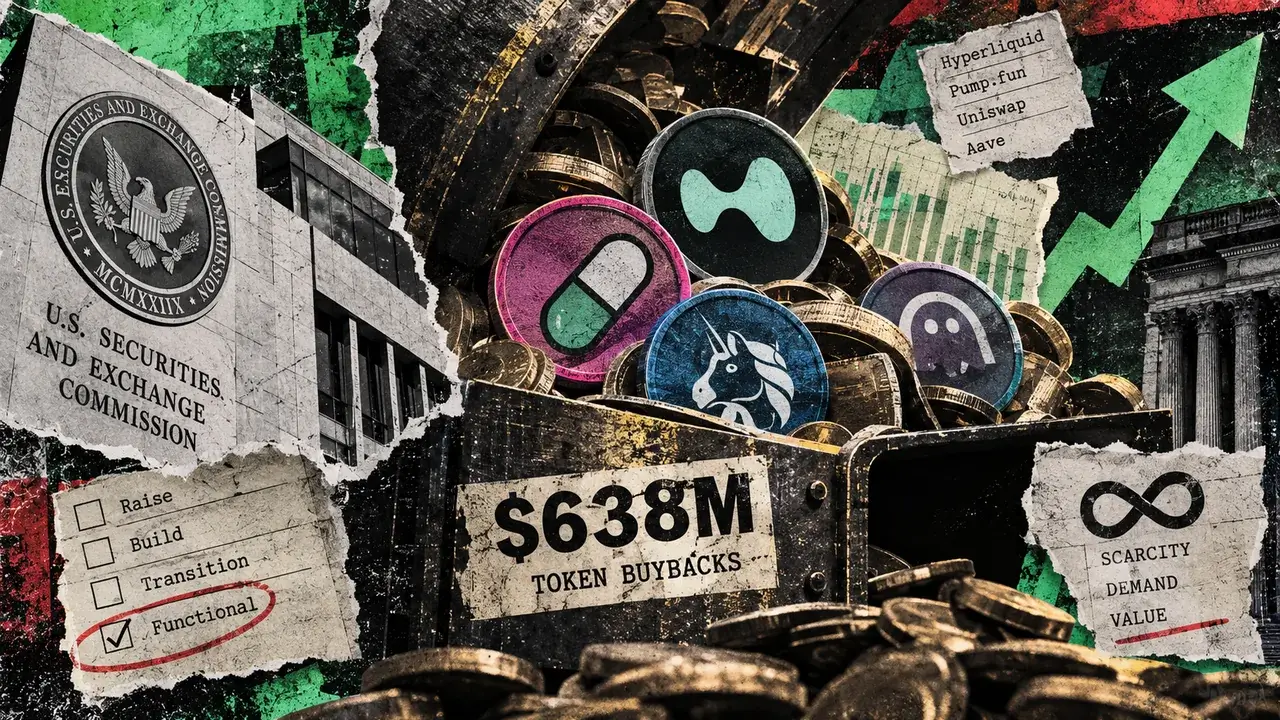
SEC clears regulatory hurdle as crypto token buybacks hit record $638 million
Crypto projects spent about $638 million with token buybacks through late August 2026, according to Allium Labs data. That is alre...

XRP Price Prediction: Weekly Gains Lead Crypto Market, But Can XRP Clear $1.63?
XRP price trades at $1.53, up by a marginal 1.5% on the day, and is still sitting on one of the strongest weekly charts among larg...

Blockchain Association CEO Summer Mersinger To Step Down In October
TL;DR Blockchain Association CEO Summer Mersinger will step down on October 16 and remain as an adviser through the end of 2026. F...