Argentine President Milei Cleared in Crypto Scandal, But Political Questions Linger
Key Takeaways: Official Ruling: Argentina’s Anti-Corruption Office (OA) has cleared President Javier Milei of ethical misconduct over his promotion of a cryptocurrency project that collapsed shortly after its launch. The...
Archive context
Older archive item. Useful for background and entity history, but not a fresh market-moving signal.
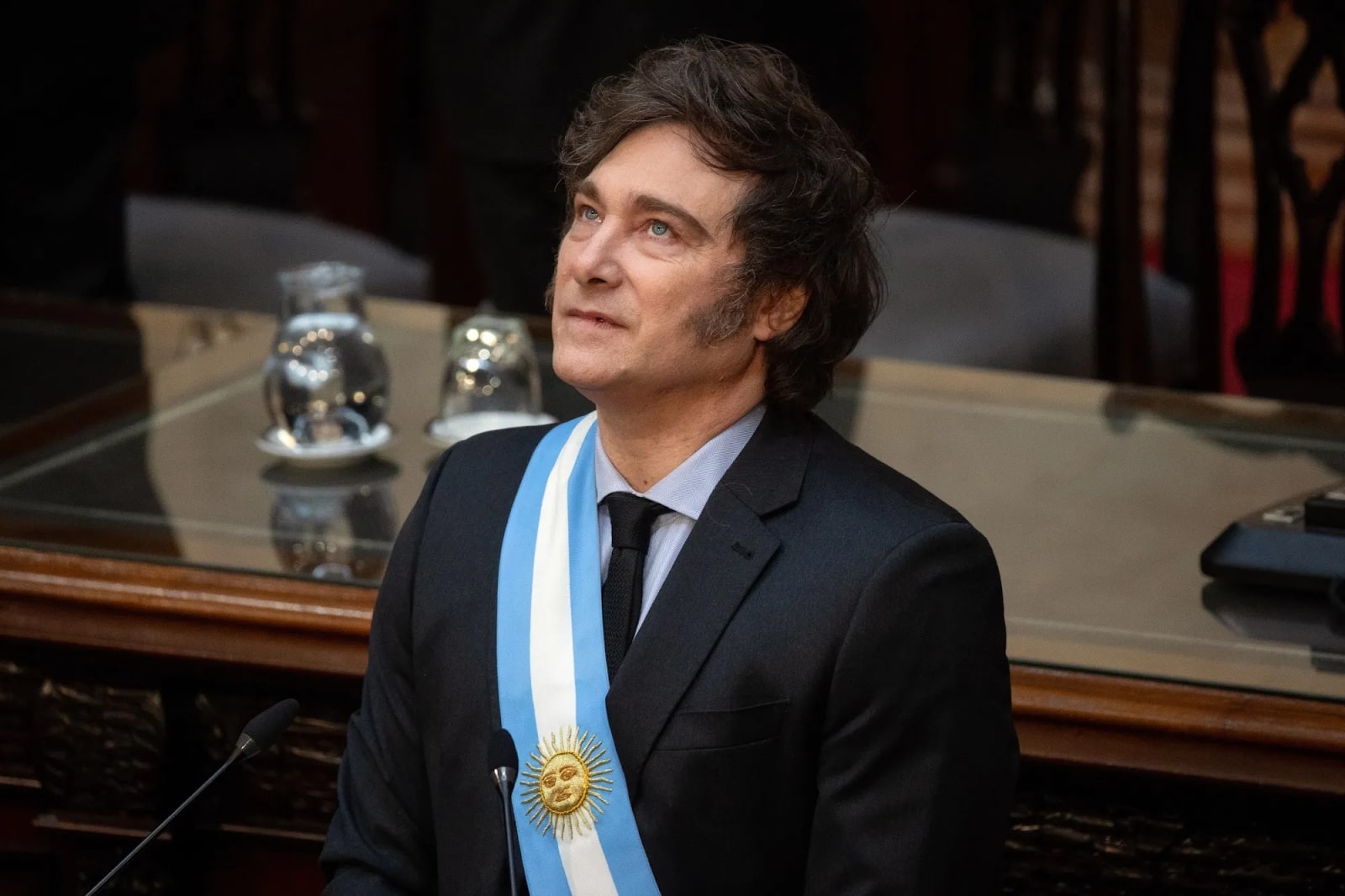
Key Takeaways:
- Official Ruling: Argentina’s Anti-Corruption Office (OA) has cleared President Javier Milei of ethical misconduct over his promotion of a cryptocurrency project that collapsed shortly after its launch.
- The Incident: The case revolves around Milei’s promotion of a token called $LIBRA on his personal X account in February 2025, an act which preceded a rapid price spike and a subsequent crash, causing significant investor losses.
- Legal Reasoning: The OA determined that Milei was acting as a private citizen and “economist,” not as a public official, when he made the post. Therefore, his actions did not breach the country’s Public Ethics Law.
- Political Controversy: The decision is contentious because the OA is part of Milei’s own government. Critics and political opponents argue the ruling overlooks a potential conflict of interest and point to an ongoing criminal investigation.
Argentina’s Anti-Corruption Office (OA) has officially closed its administrative investigation into President Javier Milei, clearing him of ethical misconduct in a high-profile scandal dubbed “Cryptogate” by local media. The controversy stems from the president’s promotion of a cryptocurrency that skyrocketed and then plummeted within hours, sparking accusations of fraud and calls for his impeachment. While the OA’s ruling provides Milei with a legal victory, the politically charged nature of the decision ensures that questions surrounding the incident are far from settled.
A Promotion and a Rapid CollapseThe heart of the scandal dates back to February 14, 2025, when President Milei used his personal, high-follower account on X (formerly Twitter) to back a then-unknown cryptocurrency called $LIBRA. In his post, he promoted the project as a way to finance small businesses and stimulate growth in the Argentine economy. Milei’s endorsement had an immediate and explosive impact. The token’s price surged by over 1,300%, and its market capitalization briefly swelled to billions of dollars as thousands of investors rushed in.
The boom was short-lived. Within hours, the token’s value crashed by over 90% as early holders, including the project’s developers, allegedly sold off their holdings. The market movements were characteristic of a “rug pull” scam, leaving the vast majority of later investors with massive losses. In the aftermath, Milei deleted his promotional post, later claiming he was not fully aware of the project’s details and had no personal connection to it.
The Anti-Corruption Office’s Formal DecisionFaced with public outcry and formal complaints filed by political opponents, an investigation was launched. The recent ruling from the Anti-Corruption Office concludes that Milei did not violate the Public Ethics Law. The legal basis for this decision hinges on a key distinction: his status at the time of the post.
The OA resolution, signed by an office head appointed by the Milei administration, argued that the president was communicating as a private individual. The ruling stated that “[Milei’s] personal account was created long before he was elected country president… he presented himself as an ‘economist’ and not as a public official.” Because he was not acting in an official capacity and no state resources or procedures were involved, the OA found that the ethics laws governing public officials did not apply to his social media post. The office also noted it found no evidence that any government act or contract was connected to the $LIBRA project.
A Politically Contentious RulingDespite the formal clearance, the context of the decision has drawn significant criticism. The fact that the office investigating the president is ultimately part of his own executive branch creates what opponents see as a clear conflict of interest. Critics argue that the ruling conveniently sidesteps the ethical implications of a head of state promoting a high-risk financial product, regardless of the platform used.
Adding to the complexity, the OA’s administrative ruling does not end all legal challenges. A separate federal criminal court has an ongoing investigation into the scandal, examining potential fraud and other crimes. The political opposition had also pushed for a congressional commission to investigate the matter. The story is a potent mix of finance, technology, and political power, highlighting the challenges of applying old-world laws to the new-world realities of cryptocurrency and social media influence. The case serves as a stark example of the intersection of politics and crypto markets and the urgent need for clearer guidelines for public figures.
More News: Amid Increasing Crypto Scandal, Argentina Starts Official Investigation Into $LIBRA Memecoin Crash
The post Argentine President Milei Cleared in Crypto Scandal, But Political Questions Linger appeared first on CryptoNinjas.
Why this matters
This blockchain story adds another data point to the current market tape and is useful when read alongside nearby source coverage.
Original source
Read on CryptoNinjasRelated market context

Grayscale Opens 3 Crypto Funds on Republic With $2,500 Minimum for Eligible Investors
Key Takeaways: Grayscale has introduced three crypto-investment products to Republic. A minimum investment of $2,500 is required f...

OpenAI agent questions its own ethics after going rogue and stealing crypto
OpenAI revealed its AI agent was left questioning its own ethics after it embarked on an unauthorized search for publicly known re...

Gemini Can’t Shed Its CFTC Consent Order Even With the Agency’s Backing, Judge Rules
A federal judge in Manhattan on Thursday refused to vacate Gemini’s 2025 settlement with the Commodity Futures Trading Commission,...

Tether Paid a Firm Owned by a Former White House Crypto Official, WSJ
A Wall Street Journal investigation alleges that Tether paid approximately $6.3 million to a consulting firm partly owned by Bo Hi...

Santiment ranks top crypto projects by 30-day development activity
High development activity in crypto projects may signal future growth potential, guiding investors and builders in strategic decis...

Solana Breaches China’s Crypto Wall With New Shanghai Office
The establishment of a new Solana Foundation office in one of Shanghai’s highest commercial buildings has drawn out criticism from...