Asset Tokenization: A Paradigm Shift in Financial Markets
Financial markets are experiencing a profound transformation with the rise of asset tokenization, signaling more than just a passing trend among technology enthusiasts. It represents a fundamental evolution in the manage...
Archive context
Older archive item. Useful for background and entity history, but not a fresh market-moving signal.

Financial markets are experiencing a profound transformation with the rise of asset tokenization, signaling more than just a passing trend among technology enthusiasts. It represents a fundamental evolution in the management and transaction of assets on a global scale.
The distinction between crypto-native tokens and tokenized real-world assets is paramount. While crypto-native tokens like bitcoin and ether exist purely in the digital realm and serve various purposes within their ecosystems, tokenized RWAs bridge the gap between digital and traditional finance. They enhance liquidity and fractionalization, making previously illiquid assets more accessible.
The recent launch of BlackRock’s BUIDL, a tokenized private short-term treasury fund, is a significant milestone in the realm of tokenization. BUIDL attracted nearly $300 million in assets within its first month, signaling BlackRock’s endorsement of tokenization as the future of markets. Tokenized government treasuries, exemplified by products like BENJI and USDY, have seen exponential growth, with the market surpassing $1.2 billion.
Currently, on-chain RWAs represent a $7.5 billion market, but the pace of growth and the widening array of tokenized assets, including treasuries, commodities, real estate, and more, suggest a tipping point. Forecasts indicate that the market for tokenized assets could reach $16 trillion by 2030, facilitating the development of new financial ecosystems across DeFi protocols.
A new demographic of investors has emerged within the crypto-native space, accustomed to accessing financial products and services directly from their wallets. These investors have benefited from a decentralized ecosystem operating 24/7, with lower barriers to entry compared to traditional financial systems.
Geopolitical events can have a significant impact on tokenized assets, as demonstrated by the trading behavior of PAXG during heightened tensions between Iran and Israel. This underscores the importance of asset safety, a principle that applies to both traditional and digital markets.
The concept of “Bring Your Own Wallet” represents a paradigm shift, empowering individual investors to manage and access their assets without relying on intermediaries. As more assets transition to blockchain, asset managers will adapt
Featured Image: Freepik
Why this matters
This blockchain story adds another data point to the current market tape and is useful when read alongside nearby source coverage.
Original source
Read on CryptoCurrencyNewsRelated market context

Centrifuge assets go live on X Layer, expanding DeFi access to tokenized Treasuries and CLOs
Centrifuge's integration on X Layer enhances DeFi's appeal by bridging traditional finance with blockchain, potentially reshaping...

BlackRock’s digital assets chief to speak at Bitcoin Treasuries Conference in New York City
BlackRock's involvement signals growing institutional interest in Bitcoin, potentially influencing corporate strategies and market...

Grayscale launches model portfolios to simplify digital asset investing for financial advisors
Grayscale's model portfolios could drive increased crypto adoption among financial advisors, reshaping digital asset distribution...
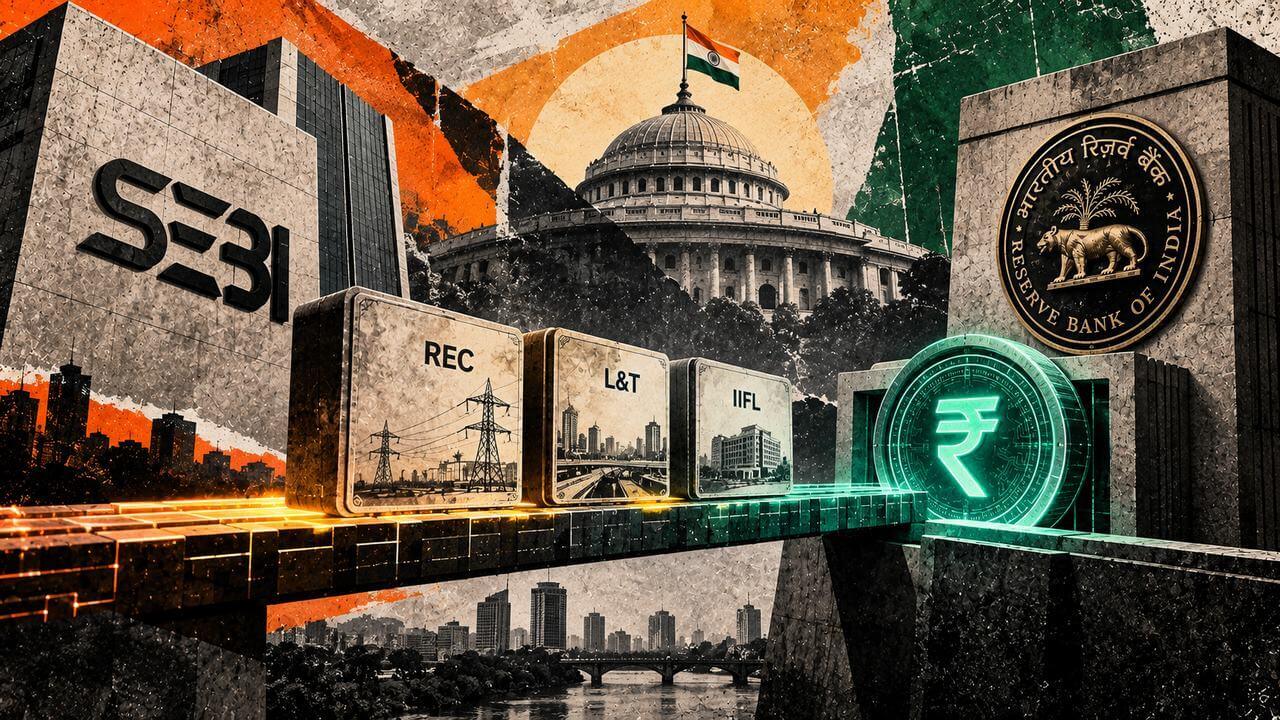
India’s tokenized bond pilot starts with institutions, with retail access planned next
India’s securities regulator has launched a pilot that places corporate bonds and their cash settlement on linked digital rails, m...

Chainlink co-founder joins Fed discussion on digital asset regulations
Institutional engagement in digital asset regulation may boost market confidence and accelerate blockchain integration in traditio...

Solana News: Tokenized-Stock Footprint Passes 800,000 Addresses
Solana’s tokenized stockholder addresses climbed to 801,439 by the end of last week, up 88% from 424,894 at the start of the month...