Blockchain for Clean Energy: A Path to Sustainability?
Blockchain technology has the potential to transform many industries, including the energy sector. With growing concerns about climate change, many governments, businesses, and individuals have prioritized the use of cle...
Archive context
Older archive item. Useful for background and entity history, but not a fresh market-moving signal.

Blockchain technology has the potential to transform many industries, including the energy sector. With growing concerns about climate change, many governments, businesses, and individuals have prioritized the use of clean energy.
By increasing the efficiency and transparency of the clean energy market, blockchain technology can provide a path to sustainability. In this article, we will look at how blockchain technology can help drive clean energy adoption and contribute to a more sustainable future.
Blockchain Explained
Blockchain is a decentralized digital ledger that is maintained by a network of computers and records transactions. Each block in the chain contains a set of transactions and is linked to the previous block to form a chain.
Blockchain's decentralized nature makes it secure and transparent, as no single entity controls the system.
What Role Can Blockchain Play in the Clean Energy Industry?
Many challenges face the clean energy industry, including the high cost of renewable energy production, a lack of infrastructure to support renewable energy distribution, and the difficulty of tracking renewable energy production and distribution.
Blockchain technology can help address these issues and accelerate the adoption of clean energy by:
- Improving Energy Trading: Blockchain has the potential to enable peer-to-peer energy trading, allowing individuals and businesses to buy and sell clean energy directly to one another. This has the potential to create a more efficient and decentralized energy market, reducing the need for intermediaries and lowering energy costs.
- Improving Energy Efficiency: Blockchain allows for real-time tracking of energy usage and production, allowing for more efficient management of energy resources. This can lead to reduced energy waste and more efficient energy production, lowering costs and reducing carbon emissions.
- Transparent Energy Data: Blockchain can provide transparent and reliable data on energy production and consumption, allowing individuals and businesses to make informed energy decisions. This can lead to a more transparent and trustworthy energy market, increasing clean energy adoption.
- Renewable Energy Certificates: Renewable Energy Certificates (RECs) are used to track clean energy production and distribution. Blockchain technology has the potential to provide a secure and transparent platform for tracking RECs, ensuring that clean energy is accurately accounted for, and increasing investor confidence in the clean energy market.
- Smart contracts are self-executing contracts that can be programmed to execute automatically when certain conditions are met. In the clean energy market, blockchain can enable the use of smart contracts, allowing for more efficient and automated transactions.
What Are the Advantages of Using Blockchain to Produce Clean Energy?
The following are some of the advantages of using blockchain for clean energy:
- Increased Efficiency: Blockchain technology can enable more efficient energy trading and management, reducing energy waste and costs.
- Greater Transparency: Blockchain can provide transparent and reliable data on energy production and consumption, making the energy market more trustworthy and transparent.
- Increased Security: Because blockchain is a secure and tamper-proof platform, it reduces the risk of fraud while also ensuring the accuracy of energy data.
- Increased Adoption of Clean Energy: The use of blockchain can reduce the cost of clean energy while also creating a more efficient and decentralized energy market, thereby increasing clean energy adoption.
- Increased Sustainability: Using clean energy can help to create a more sustainable future by lowering carbon emissions and addressing the global challenge of climate change.
What Are the Difficulties of Using Blockchain in Clean Energy?
The following are some of the challenges of using blockchain for clean energy:
- Scalability: Blockchain technology is still in its early stages, and the technology may not yet be able to support the large-scale adoption of clean energy.
- Cost: Implementing blockchain technology can be costly, and for some energy companies, the costs may outweigh the benefits.
- Regulation: The regulatory framework for blockchain use in the energy sector is still being developed, and there may be legal and regulatory obstacles to overcome.
- There is education and awareness.
- Education and Awareness: There may be a lack of education and awareness about the benefits and applications of blockchain technology in the clean energy sector among individuals and businesses.
- Interoperability: A lack of interoperability between different blockchain platforms and energy systems may impede the widespread adoption of blockchain technology in the clean energy industry.
Case Study: Does Bitcoin Really Have an Energy Problem?
Bitcoin is constantly making the news about its supposedly massive energy expenditure.
However, the reality couldn’t be further from the truth.
First and foremost, it is important to establish that there’s this preconceived notion that BTC is a 'bad use of electricity'. However, that very same argument could be made for innumerous other things.
In fact, a recent University of Cambridge study made clear that BTC’s share of global energy consumption equates to roughly 0.18%, a mere drop in the bucket when compared to other industries.
To put it in perspective, Transmission and Distribution electricity losses (T&D) in the US alone could power BTC’s entire network nearly 2 times.
However, the media portrays Bitcoin miners as the main culprits for driving up energy prices when, in fact, air conditioning alone in the US accounts for nearly 20 times BTC’s expenditure.
And, while one could try to argue that other things are necessary for modern-day living, whoever is paying for electricity has to be deriving their own set of benefits from it. So, the fact is that deciding on what is a good or bad use of energy is a completely futile exercise.
BTC has as much of an energy problem as anything else really. People across the world consider it to be a new store of value, a new way of operating payments and settlements, or simply a public, tamper-resistant ledger. So, the question should be: given all BTC has given us, the promise of censorship-resistant financial inclusion, and everything derived from it, does BTC really have an energy problem?
Conclusion
Blockchain technology has the potential to completely transform the clean energy industry and help usher in a more sustainable future. The advantages of using blockchain for clean energy include increased efficiency, increased transparency, improved security, increased clean energy adoption, and improved sustainability.
However, there are some issues to consider, such as scalability, cost, regulation, education and awareness, and interoperability.
Blockchain technology, with continued innovation and collaboration among industry players, has the potential to pave the way for a more efficient, transparent, and sustainable clean energy industry.
This article was written by Finance Magnates Staff at www.financemagnates.com.Why this matters
This blockchain story adds another data point to the current market tape and is useful when read alongside nearby source coverage.
Original source
Read on Finance MagnatesRelated market context

Bitcoin production rebounds in August for BitFuFu, edges higher at CleanSpark as Canaan slips
Canaan sold its entire ETH position and 54 BTC, using part of the proceeds to repurchase 13.6 million shares.

MEXC’s September 2026 Proof of Reserves Reaffirms Full Backing of User Assets, BTC Reserve Ratio Increases to 297%
Mutsamudu, Comoros, September 15, 2026 – MEXC, a pioneer in 0-fee digital asset trading, has released its September 2026 Proof of...

USDT payments feature in Polish energy giant’s failed $230M oil deal: FT
Tether’s USDT stablecoin was part of a failed oil trade that reportedly cost a Polish energy giant $230 million in late 2023.
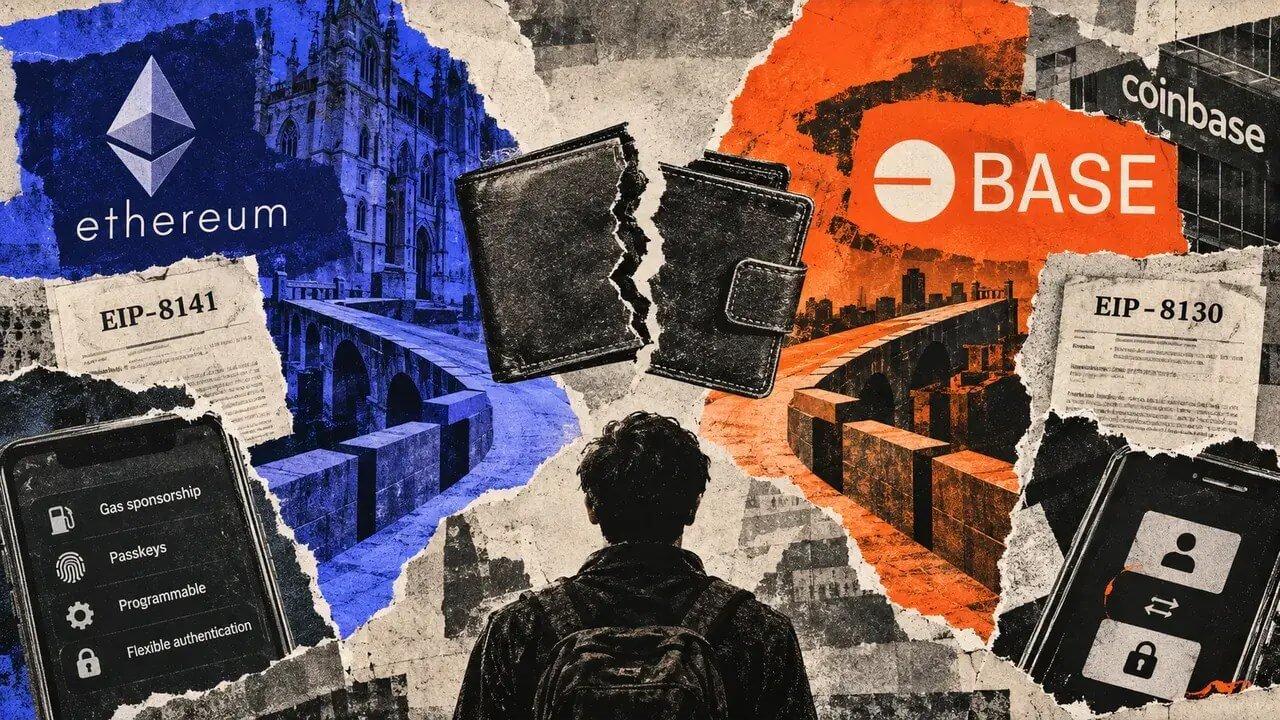
Coinbase-backed Base just exposed the uncomfortable truth about Ethereum’s L2s
Ethereum and Coinbase-backed layer-2 network Base have abandoned an effort to agree on how the next generation of crypto wallets s...

KULR Technology sells remaining 764 Bitcoin for $59M, fully exits crypto treasury strategy
KULR's exit from crypto reflects a strategic pivot towards core business investments, highlighting the volatility and risk of cryp...

BitFuFu boosts Bitcoin production 55% to 174 BTC in August
BitFuFu's production surge highlights the growing trend of efficiency and capacity expansion in the competitive Bitcoin mining lan...