Blockchain in Pharma Payments: Ensuring Traceability in Drug Supply Chain Transactions
In recent years, the pharmaceutical industry has been undergoing a transformative journey, with blockchain technology emerging as a cornerstone in reshaping payment transactions and ensuring unprecedented traceability in...
Archive context
Older archive item. Useful for background and entity history, but not a fresh market-moving signal.

In recent years, the pharmaceutical industry has been undergoing a transformative journey, with blockchain technology emerging as a cornerstone in reshaping payment transactions and ensuring unprecedented traceability in the drug supply chain
Blockchain, the decentralized and distributed ledger technology, lays the foundation for trust and transparency in the pharma payments landscape. By leveraging cryptographic techniques, each transaction is securely recorded in a tamper-resistant and transparent manner. This not only addresses the trust deficit often associated with financial transactions in the pharmaceutical sector but also ensures a high level of data integrity across the supply chain.
Pharma Payments in the Blockchain Era
In the traditional pharma payment landscape, transactions are often complex, involving various stakeholders, from manufacturers and distributors to pharmacies and healthcare providers. The implementation of blockchain technology streamlines this intricate web of financial interactions. Smart contracts, self-executing contracts with the terms of the agreement directly written into code, automate and enforce payment agreements, reducing the risk of errors and disputes.
Traceability: From Manufacturer to Patient
One of the paramount advantages of integrating blockchain in pharma payments is the enhanced traceability it offers throughout the entire drug supply chain. Every stage of the pharmaceutical journey, from manufacturing to distribution and retail, is recorded in real-time on the blockchain. This ensures that the provenance of each drug can be traced back to its origin, providing unparalleled visibility and accountability.
Ensuring Supply Chain Integrity
Blockchain's immutable nature ensures that once data is recorded, it cannot be altered or deleted. This feature plays a pivotal role in safeguarding the integrity of the drug supply chain. Any attempt to tamper with information, whether regarding the production date, storage conditions, or shipping details, would be immediately flagged, preserving the authenticity of pharmaceutical products.
Reducing Counterfeit Drugs and Fraud
Counterfeit drugs pose a significant threat to global public health, with the World Health Organization estimating that up to 10% of drugs available worldwide are counterfeit. Blockchain acts as a powerful deterrent against this menace. The transparent and unforgeable nature of blockchain records allows stakeholders to verify the authenticity of drugs at each stage. Patients, healthcare providers, and regulatory bodies can access a secure and immutable ledger to confirm the legitimacy of pharmaceuticals.
Smart Contracts: Revolutionizing Financial Transactions
Smart contracts, an integral component of blockchain technology, automate and streamline financial transactions in the pharma industry. In the context of payments, smart contracts execute payment agreements when predefined conditions are met. For example, a smart contract may automatically trigger a payment from a distributor to a manufacturer upon successful delivery of a batch of drugs. This automation not only reduces the risk of delayed payments but also enhances efficiency and accountability.
Challenges and Considerations in Implementing Blockchain in Pharma Payments
While the benefits of integrating blockchain in pharma payments are substantial, the implementation of this technology comes with its own set of challenges. Regulatory considerations, standardization of protocols, and the need for widespread industry adoption are crucial aspects that demand attention. Regulatory bodies need to adapt to the evolving landscape, providing a framework that encourages innovation while ensuring compliance with existing pharmaceutical regulations.
Conclusion: A New Era in Pharma Transactions
In conclusion, the integration of blockchain in pharma payments marks a paradigm shift in the industry. From ensuring traceability and reducing counterfeit drugs to automating financial transactions through smart contracts, blockchain technology is revolutionizing the way pharmaceutical transactions occur. As the industry continues to embrace this transformative technology, the future holds the promise of a more secure, transparent, and efficient pharma payment ecosystem.
This article was written by Pedro Ferreira at www.financemagnates.com.Why this matters
This blockchain story adds another data point to the current market tape and is useful when read alongside nearby source coverage.
Original source
Read on Finance MagnatesRelated market context

Zoth expands zPayments to Base, targeting $6B in annual cross-border stablecoin payouts
Zoth's expansion of zPayments on Base could significantly disrupt traditional cross-border payment systems, enhancing speed and re...
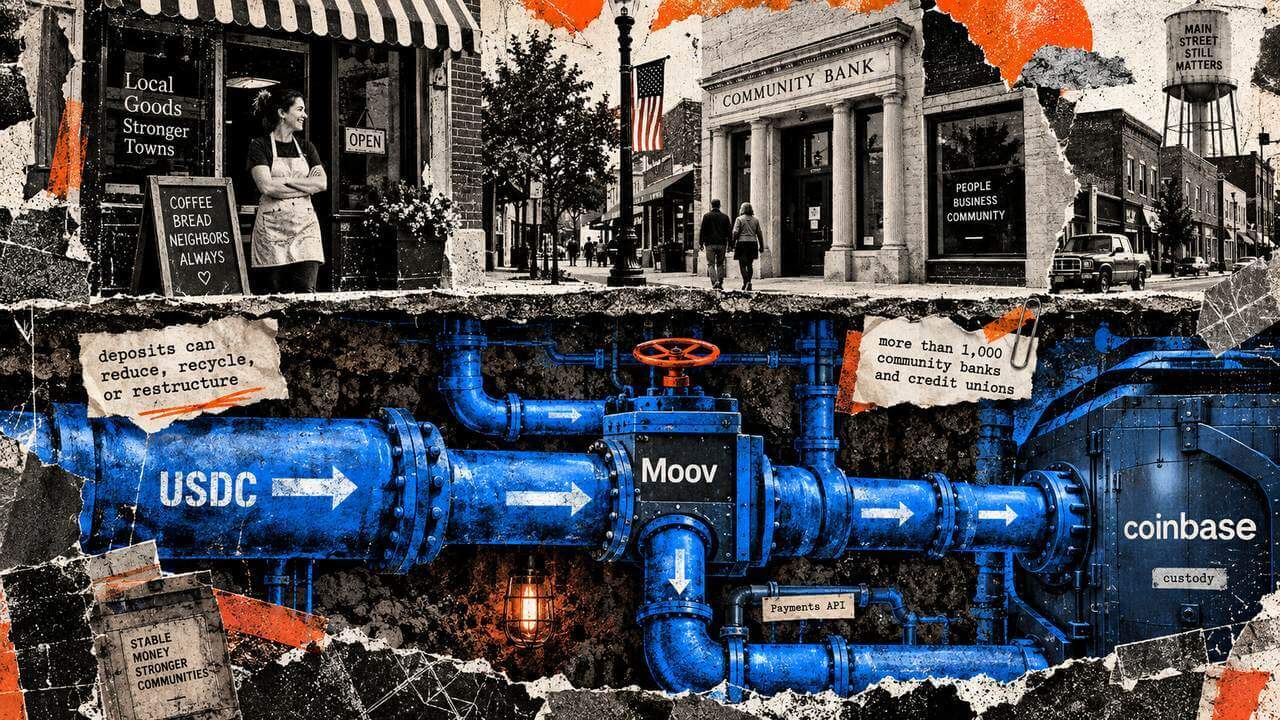
Coinbase gives community banks a stablecoin bridge while supplying infrastructure underneath
Coinbase’s new partnership with payments platform Moov gives community banks and credit unions a route to offer stablecoin service...

XRP News: XRPL Records 2K Transactions from 20 Wallets
The XRP Ledger processed a record 3,254 transactions in ledger 106,965,249 yesterday, but 2,000 of the news came from just 20 acco...

L-BTC resumes trading with reserves covering just 85% of supply
SideSwap reopened its markets on Liquid while the network’s route back to Bitcoin remained closed. The split gives Liquid Bitcoin...

Ethereum Price Faces a Reality Check as EIP-8288 Puts Its Technology to the Test
Ethereum price is trading at $2,465, steady and calm on the surface. Underneath it, the network is being asked a much harder quest...

Ethereum Price Prediction: Supply Shock Could Send ETH Above $3,000
Ethereum trades at just above $2,500, but the flat 24-hour print masks a more interesting story underneath that could flip its pri...