CFTC Fines Former White House Staffer Over Event Contract Insider Trading
The CFTC has fined former White House staffer Gabriel Perez $172,000 over alleged insider trading in event contracts, marking another regulatory action at the intersection of prediction markets and non-public information...
Archive context
Older archive item. Useful for background and entity history, but not a fresh market-moving signal.

The CFTC has fined former White House staffer Gabriel Perez $172,000 over alleged insider trading in event contracts, marking another regulatory action at the intersection of prediction markets and non-public information.
According to the agency’s settlement materials, the case involved trading connected to non-public information around event market outcomes. The action is important because it shows the CFTC is willing to treat event contracts as serious markets with enforceable integrity rules.
That matters for crypto because event markets have become one of the most visible blockchain-adjacent trading categories.
Prediction markets are often promoted as tools for information discovery. But if traders can use privileged information to profit before public release, regulators will treat that as a market integrity problem.
For more details, visit the official Cftc platform.
TL;DR- The CFTC fined Gabriel Perez $172,000 over event contract insider trading allegations.
- The case involved trading around non-public information.
- The action signals closer scrutiny of prediction and event markets.
Event contracts are built around outcomes.
A trader may buy or sell based on whether a political appointment happens, whether a bill passes, whether a geopolitical event occurs, or whether a public figure makes a decision. These markets can be useful because prices reflect collective expectations.
But they also create incentives for people with privileged information.
If someone knows the outcome before the public does, they may be able to trade ahead of other users. That creates the same basic problem regulators have fought in traditional markets for decades: unfair informational advantage.
The CFTC’s action shows it sees that risk clearly.
Prediction Markets Are Growing UpPrediction markets used to be treated like a fringe experiment.
That is changing. Platforms have gained visibility, users have become more active, and contracts tied to major public events can attract meaningful liquidity. With growth comes enforcement attention.
Regulators tend to follow activity.
If a market becomes large enough for real money, real influence, and real harm, agencies begin to ask whether existing laws apply. The CFTC’s settlement suggests that event markets are moving into that more serious phase.
Crypto’s Role Is Indirect But ImportantNot every event contract case is purely a crypto case.
But crypto-native prediction markets, stablecoin settlement, blockchain-based trading, and global user bases have pushed this market structure forward. That makes CFTC enforcement relevant for digital asset investors even when the contract itself is tied to a non-crypto event.
The key issue is market integrity.
Whether the platform is on-chain or off-chain, regulators do not want event markets to become places where insiders monetize confidential information.
That principle will shape how these platforms operate.
The Settlement Does Not Settle Every QuestionA fine and settlement do not answer every legal question around prediction markets.
They do not create a full rulebook. They do not determine how every event contract should be classified. They do not resolve the broader debate over political markets, sports markets, geopolitical contracts, or policy event contracts.
But enforcement actions still matter.
They show what behavior regulators are willing to pursue.
What Market Operators Should Take From ThisPlatforms offering event contracts may need stronger surveillance and compliance controls.
That could include monitoring for unusual trading, restricting certain participants, reviewing contracts tied to sensitive government information, and building controls around public and non-public event data.
Those controls may become more important as the sector grows.
For traders, the message is simpler: event markets are not lawless prediction games. If regulators believe someone used privileged information to trade, they can act.
The CFTC’s action against Perez makes that point clearly.
This article is based on CFTC settlement materials relating to Gabriel Perez and event contract trading.
This article was written by the News Desk and edited by Samuel Rae.
Why this matters
CFTC is showing up inside the Regulation theme, so this story is worth tracking for follow-through rather than treating it as a one-off headline.
Original source
Read on NewsBTCRelated market context

Commodity Markets Council urges CFTC to block Kalshi’s perpetual oil futures contract
Blocking Kalshi's contract could maintain current oil market structures, while approval might lead to increased complexity and vol...

Mark Zuckerberg Meta AI Predicts an Insane Run for BTC in Q4
Something potentially seismic could be approaching for Bitcoin by January 1, 2027. Mark Zuckerberg’s Meta AI predicts that if a fu...

BitGo-Held Bitcoin and Ether Will Secure Perps Margin Loans for Some Kalshi Prime Clients
Kalshi Prime clients will be able to take out loans against Bitcoin, Ether and stablecoins held at BitGo and put the cash toward m...
MEXC’s New-Token Trading Volume Rises 77% in September as Stock-Related Trading Expands Into On-Chain New-Token Markets
Mutsamudu, Comoros, October 22, 2026 – MEXC, a pioneer in 0-fee digital asset trading, has released its September trading data. Ne...
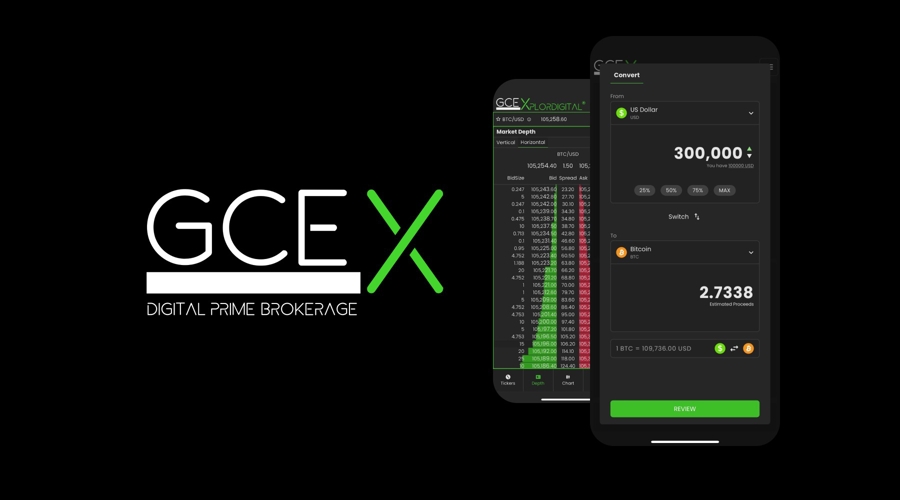
UK Crypto Broker GCEX Starts Offering Bitcoin and Ether Options to Professional Clients
Crypto prime broker GCEX began offering Bitcoin and Ether options to professional and institutional clients today (Thursday). The...

Spout Finance – Let Your Stocks Pay the Interest
Why you should listen Spout starts from an argument about who tokenized stocks are really for. Marc points out that anyone with me...