Colombia Issues Guide for Implementing Blockchain for Public Projects in the Country
The Ministry of Information Technologies and Communications of Colombia, Mintic, has issued a guide that describes the steps to implement blockchain in projects directed at the state level. The document defines blockchai...
Archive context
Older archive item. Useful for background and entity history, but not a fresh market-moving signal.

The Ministry of Information Technologies and Communications of Colombia, Mintic, has issued a guide that describes the steps to implement blockchain in projects directed at the state level. The document defines blockchain and its basic elements, and also describes the guidelines that some projects should follow, depending on the needs of each project.
Colombia Issues Guidelines for Blockchain ProjectsMore and more governments are including blockchain in projects that require transparency and decentralization. The Ministry of Information Technologies and Communications of Colombia, the main technology institution in the country, has issued a guide that describes how blockchain should be integrated into projects directed to solve problems at a government and state level.
The document, titled “Reference Guide for the adoption and implementation of projects with blockchain technology for the Colombian State,” explains the basics of blockchain and the kinds of projects that would benefit by integrating blockchain in their services. About this, the document states:
A blockchain technology project in the public sector requires a detailed review of the requirements of the public challenge to be resolved and the usability that the distributed database would have depending on the type of project.
Furthermore, the document says that the implementation of this tech should be subject to the current legal framework of the country, in which state entities are obliged to comply with what is expressly established in Colombian law.
Blockchain Projects in DevelopmentColombia has already identified some of the problems that could be solved using blockchain technology. The document mentions several projects, including RITA, a network developed by a national university that uses blockchain to secure and verify the authenticity of academic diplomas, and the alliance that the Bank of Colombia inked with R3 to use the Corda for different settlement cases.
Recently a new application of blockchain technology was announced by Mintic, that aims to aid citizens in need of their own land certificates. The project, which was recently completed by a third-party company called Peersyst Technology, will use the Ripple Ledger as a base to register and verify the authenticity of these certificates. The project aims to accelerate the process of issuing these land documents, with the goal of giving 100,000 of the certificates to land owners in a short time.
Brazil is also pushing its own blockchain-based network. The structure, called the Brazilian Blockchain Network, will be used for institutions to build their own apps on top of, with the idea of improving the transparency of public organizations.
What do you think about the guideline document issued by Colombia about integrating blockchain tech in state projects? Tell us in the comments section below.
Why this matters
This blockchain story adds another data point to the current market tape and is useful when read alongside nearby source coverage.
Original source
Read on Bitcoin NewsRelated market context

Is APEING Stage 4 the Best Crypto to Buy Now? $93K+ Raised, Find Out How to Unlock 10% Extra $APEING
Yet for anyone hunting the best crypto to buy now, there is a bigger question than which established coin can squeeze out another...

Climate Change and Crypto: Ethiopia’s 75% Power Cut Tests Bitcoin Mining’s Green Pitch
In climate change crypto news, Bitcoin miners have spent years pitching hydropower as proof the network can run clean. Ethiopia ju...

Bitcoin’s newest mobile privacy feature can make your incoming money completely invisible
Silent Payments promise a reusable Bitcoin address without exposing an obvious chain of payments to that address. A sender uses th...
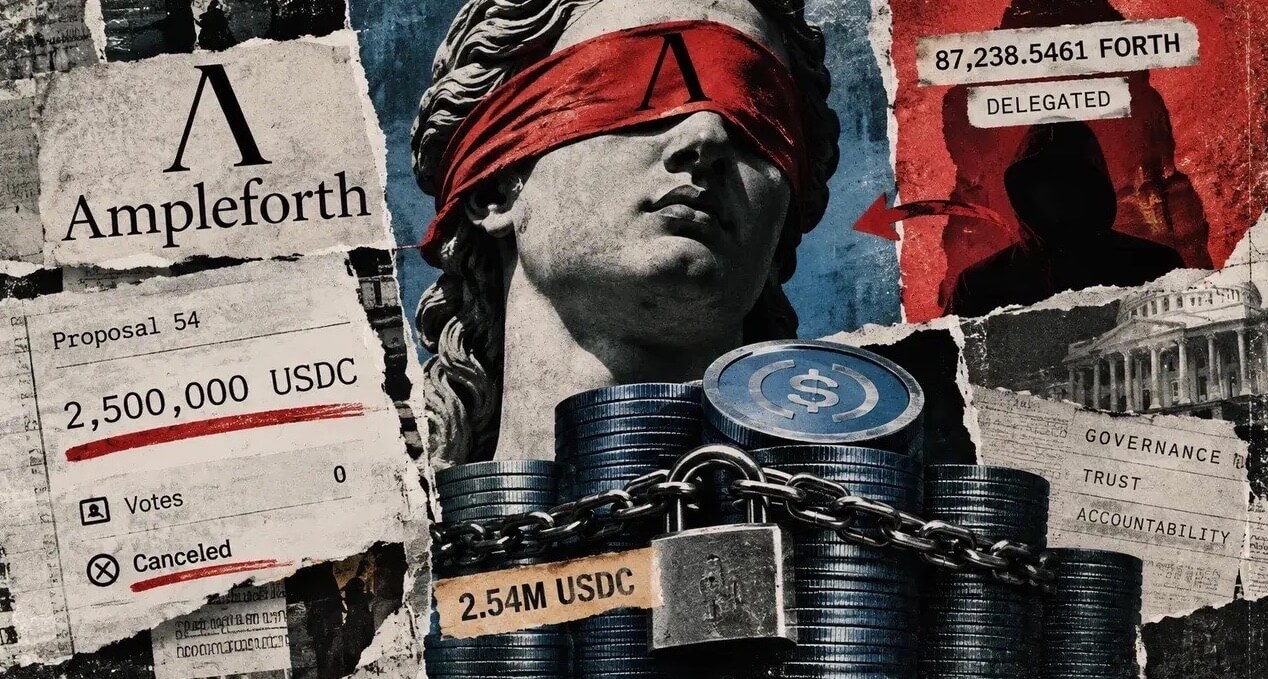
DeFi governance gap allows one wallet to request 98% of Ampleforth treasury’s USDC balance
Ampleforth, a DeFi protocol governed by FORTH token holders, saw Proposal 54 canceled on-chain before its voting window opened. Th...

The US Bitcoin reserve faces a crucial bipartisan test Wednesday
The American Reserve Modernization Act (ARMA) would put the federal government's Bitcoin reserve into law for the first time. But...
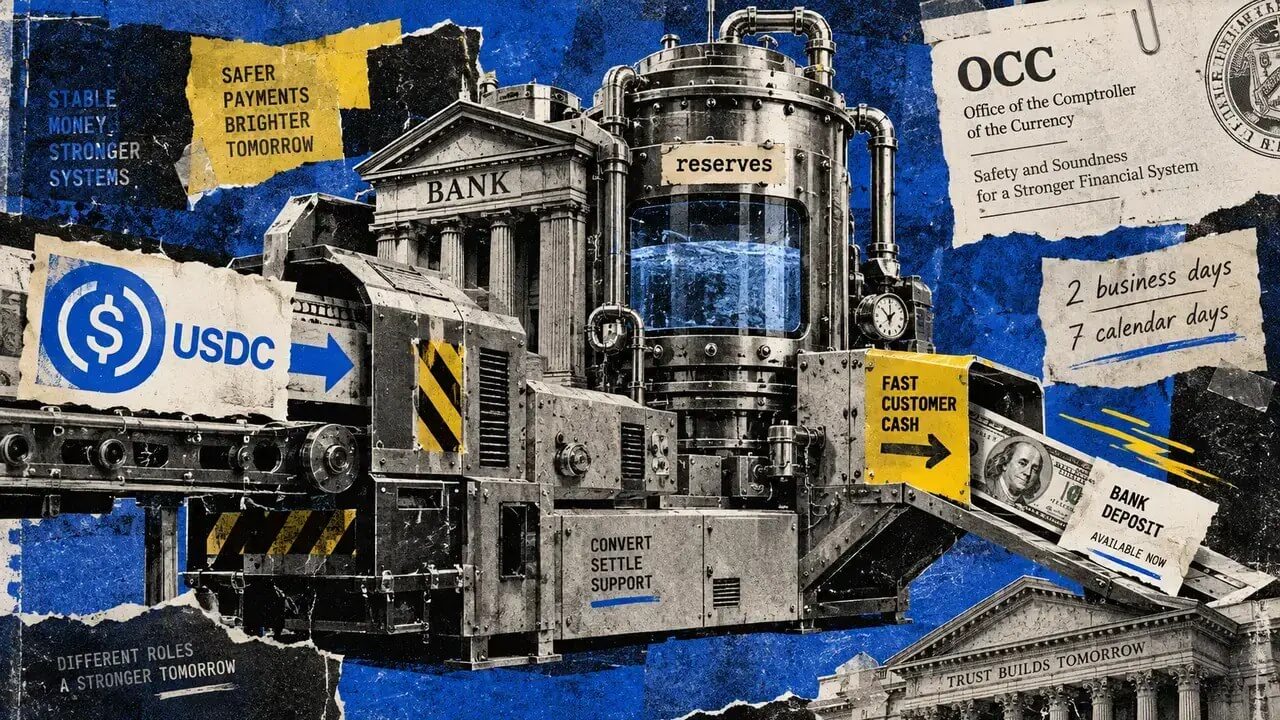
Proposed stablecoin rules might guarantee your dollar while making you wait a week to spend it
When a stablecoin holder receives spendable bank dollars before the issuer redeems the token, a buyer or conversion provider has f...