Congress repealed the IRS broker rule, but can it regulate DeFi?
The decentralized finance (DeFi) industry is breathing a sigh of relief as Congress relaxes reporting obligations, but questions remain about how lawmakers will regulate DeFi.On March 12, the House of Representatives vot...
Archive context
Older archive item. Useful for background and entity history, but not a fresh market-moving signal.

The decentralized finance (DeFi) industry is breathing a sigh of relief as Congress relaxes reporting obligations, but questions remain about how lawmakers will regulate DeFi.
On March 12, the House of Representatives voted to nullify a rule that required DeFi protocols to report gross proceeds from crypto sales, as well as info on taxpayers involved, to the Internal Revenue Service (IRS).
The rule, which the IRS issued in December 2024 and wasn’t set to take effect until 2027, was regarded by major industry lobby groups as burdensome and beyond the agency’s authority.
The White House has already signaled its support for the bill. President Donald Trump is ready to sign when it reaches his desk. But DeFi observers note that the industry has yet to strike a balance between privacy and regulation.
Bipartisan vote on repealing the rule. Source: DeFi Education Fund
Privacy concerns over IRS DeFi ruleThe crypto industry was quick to laud the vote in the House. Marta Belcher, president of the Filecoin Foundation, said that blocking the rule was particularly important for user privacy.
She told Cointelegraph it is “critical to protect people’s ability to transact directly with each other via open-source code (like smart contracts and decentralized exchanges) while remaining anonymous, in the same way that people can transact directly with each other using cash.”
Privacy concerns were central to the crypto industry’s objections to the rule, with industry observers claiming that it was not fit for purpose and infringed on user privacy.
Bill Hughes, senior counsel and director of global regulatory matters for Consensys Software wrote in December 2024, “Trading front ends would have to track and report on user activity — both US persons and non-US persons [...] And it applies to the sale of every single digital asset — including NFTs and even stablecoins.”
The Blockchain Association, a major crypto industry lobby group, stated that the rule was “an infringement on the privacy rights of individuals using decentralized technology” that would push DeFi offshore.
While the rule has been stopped for now, there still aren’t fixed privacy guidelines in place — something Etherealize CEO Vivek Raman said the industry needs to move forward.
“There needs to be clear frameworks for blockchain-based privacy while maintaining [Know Your Customer/Anti-Money Laundering] requirements,” he told Cointelegraph.
Raman stated that some transactions and customer data will need to remain private, “and we need guidance on what privacy can look like.”
How do you regulate DeFi?The crypto space has long juggled user privacy demands and regulators’ Anti-Money Laundering and Know Your Customer concerns.
One problem lies in the technology itself — if a network is created by many and controlled by no single entity, who can the government contact?
Per Raman, “It’s hard for a decentralized protocol that is controlled by nobody to issue 1099s or fulfill broker-dealer responsibilities! Companies can certainly be [broker-dealers], but software has not been designed for [broker-dealer] rules.”
DeFi developers can and have been proactive in working with regulators, Chainalysis suggested, as was the case with certain protocols freezing funds after the disastrous $285 million KuCoin hack.
Related: Timeline: How Bybit's lost Ethereum went through North Korea's washing machine
Cinneamhain Ventures partner and consultant Adam Cochran claimed that every protocol has certain pressure points regulators could press on if a protocol were used to commit a crime:
Source: Adam Cochran
However, these specific instances do not make a comprehensive regulatory framework that both the industry and investor protection agencies can point to.
In that regard, crypto analytics firm Chainalysis stated in 2020 that regulators may need to craft regulations for the DeFi space with decentralized reporting limitations in mind.
Raman suggested that one possible solution could be zero-knowledge proofs, which allow users to confirm certain data without revealing it.
He is optimistic about regulators’ ability to find a way to regulate the space while still maintaining user privacy: “I think we’ll see a positive sum environment where DeFi and compliance will coexist.”
The long-awaited crypto regulatory frameworkTrump has already made a number of pro-crypto measures through executive orders and appointing pro-crypto individuals to head parts of his administration — the most recent being the establishment of a strategic Bitcoin reserve.
Related: US Rep. Byron Donalds to introduce bill codifying Trump’s Bitcoin reserve
The pro-crypto tenure of important financial regulators like the Securities and Exchange Commission (SEC) and the Commodity Futures Trading Commission (CFTC) has dropped a number of high-profile enforcement cases against crypto firms.
While notable, the big fish that the crypto industry is waiting for is the crypto regulatory framework and stablecoin bills circulating in Congress, which would give the industry the guardrails it claims it needs to thrive.
On March 13, the Senate Banking Committee approved the GENIUS Act, the stablecoin bill, putting it one step closer to a vote on the Senate floor.
The crypto framework bill, FIT 21, was first introduced in the 2024 legislative session, ultimately failing in the Senate. However, in February, House Financial Services Committee Chair French Hill said that he anticipated the bill could pass in this session with “modest changes.”
But even if FIT 21 were passed soon, regulations for DeFi could be far off. The bill would exclude DeFi from SEC and CFTC oversight, but it would also establish a working group to research 12 key areas related to DeFi.
This study will seek to understand the risks and benefits of DeFi and will ultimately make regulatory recommendations.
Magazine: Vitalik on AI apocalypse, LA Times both-sides KKK, LLM grooming: AI Eye
Why this matters
This blockchain story adds another data point to the current market tape and is useful when read alongside nearby source coverage.
Original source
Read on CointelegraphRelated market context

White House Agrees to Major Crypto Ethics rules in a last-minute push to save the CLARITY Act
Senate Republicans have released another round of revisions to the CLARITY Act as they seek Democratic support ahead of a Septembe...

CLARITY Act Nears Senate Showdown: Crypto’s Long Wait for US Rules Reaches a Critical Vote
For cryptocurrency businesses waiting for Washington to settle how their industry should be regulated, the next hurdle comes down...

Kraken Lets Users Earn DeFi Yield on Nvidia and ETF xStocks
Kraken has launched on-chain yield vaults for three tokenised securities, enabling qualified clients to earn variable rewards from...
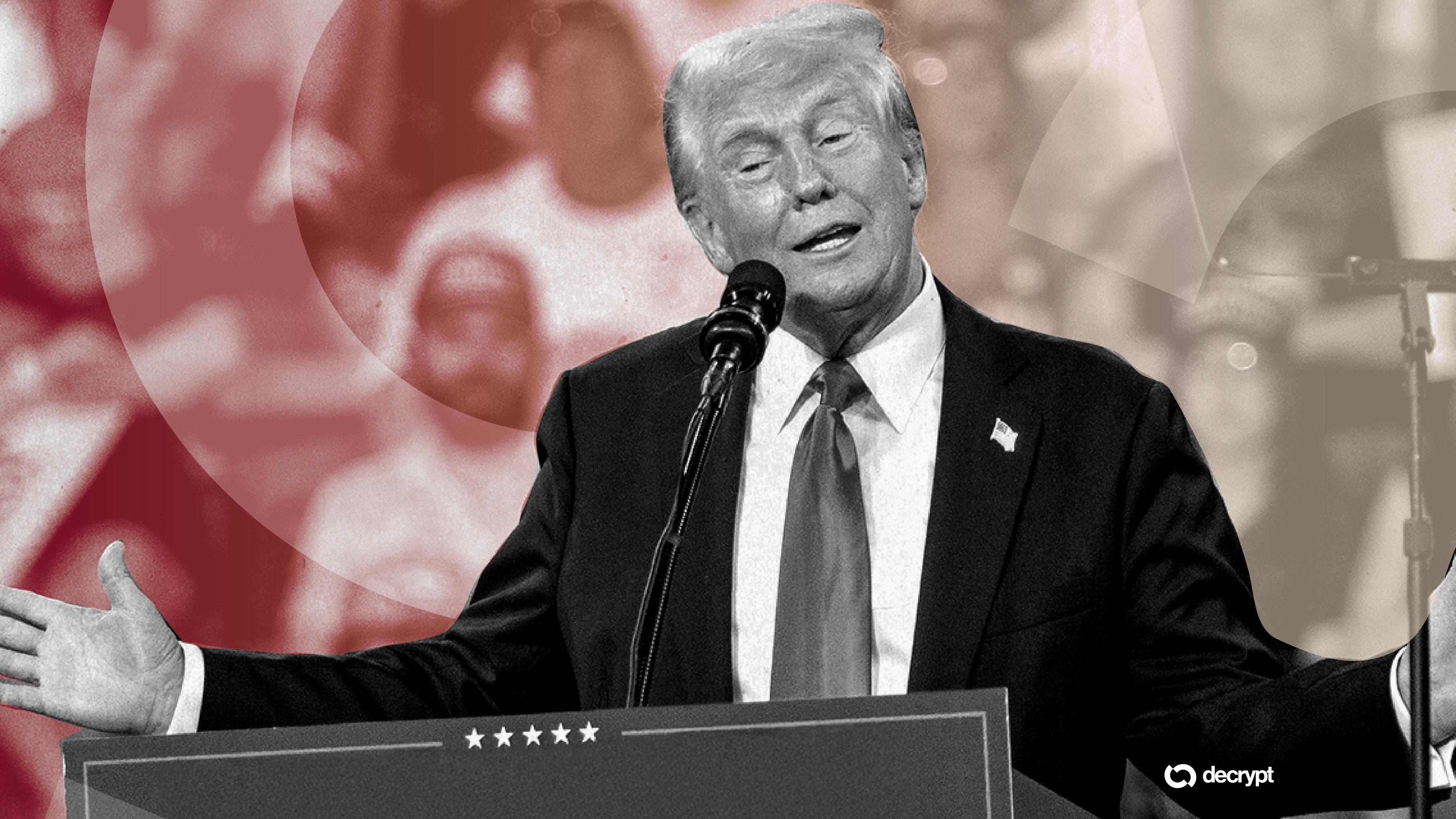
Why Trump Backed Tougher Ethics Rules in Clarity Act, and Why the Crypto Industry Thinks It Can Pass
Republicans' "last, best and final offer" wins Trump's backing on stronger ethics rules and concedes on DeFi and stablecoin sticki...

Trump agrees to let state AGs enforce Clarity Act ethics rules in crypto bill concession
The inclusion of state AGs in enforcing ethics rules could lead to increased accountability and reshape the regulatory landscape f...

House Financial Services Committee to mark up Strategic Bitcoin Reserve bill on Wednesday
The bill's long-term Bitcoin lockup could significantly impact market scarcity, influencing asset value and federal digital asset...