Crypto Licensing Enters a New Era as Global Regulations Accelerate in 2026
The global digital asset industry is entering a defining chapter as governments and financial regulators continue to introduce comprehensive frameworks for crypto licensing. After years of uncertainty, many jurisdictions...
Archive context
Fresh in the current trading session. It maps to a high-priority topic hub.

The global digital asset industry is entering a defining chapter as governments and financial regulators continue to introduce comprehensive frameworks for crypto licensing. After years of uncertainty, many jurisdictions are shifting away from fragmented oversight toward structured authorization systems designed to improve transparency, strengthen consumer protection, and support sustainable market growth.
Throughout 2026, crypto licensing has become one of the most discussed topics among blockchain companies, fintech startups, institutional investors, and compliance professionals. Rather than treating regulation as a barrier, an increasing number of businesses now view licensing as a competitive advantage that enables international expansion and builds long-term trust with customers.
Regulation Is Moving from Guidance to EnforcementThe regulatory landscape has changed dramatically over the past few years. Authorities that once relied primarily on general financial legislation are now introducing dedicated licensing regimes specifically designed for digital asset service providers.
This transition reflects the growing maturity of the industry. As crypto-related services become integrated into payment systems, investment platforms, and digital commerce, regulators are demanding higher operational standards from companies that manage customer assets or facilitate digital transactions.
Businesses entering the market today are expected to demonstrate more than innovative technology. Licensing applications increasingly require detailed governance structures, risk management policies, cybersecurity frameworks, anti-money laundering procedures, and ongoing compliance programs.
The result is a more professional ecosystem where licensed companies are better positioned to attract institutional partnerships and operate across multiple jurisdictions.
Europe Continues to Set the PaceEurope remains one of the most influential regions in shaping the future of crypto licensing.
The implementation of harmonized regulatory standards across European markets is encouraging companies to rethink their licensing strategies. Instead of maintaining separate compliance approaches for different countries, many organizations are preparing for broader operational frameworks that allow them to serve multiple markets under consistent regulatory expectations.
This shift has created significant demand for legal advisors, compliance specialists, technology providers, and licensing consultants capable of guiding businesses through increasingly sophisticated authorization processes.
Industry experts note that obtaining a license is no longer viewed as the final objective. Maintaining ongoing compliance has become equally important, requiring regular reporting, internal audits, employee training, and continuous monitoring of regulatory updates.
More Jurisdictions Compete to Attract Digital Asset BusinessesWhile Europe remains a major regulatory hub, competition among international jurisdictions continues to intensify.
Countries across Asia, the Middle East, North America, and offshore financial centers are refining their licensing frameworks to attract responsible digital asset businesses while maintaining high compliance standards.
Many regulators are balancing two important objectives:
- Encouraging innovation within financial technology.
- Preventing financial crime and protecting consumers.
This balance has resulted in licensing models that differ in complexity, capital requirements, reporting obligations, and supervisory expectations.
For businesses planning international expansion, selecting the right licensing jurisdiction has become a strategic business decision rather than simply a legal requirement.
Institutional Investors Prefer Licensed PlatformsOne of the strongest trends observed during 2026 is the growing preference of institutional investors for licensed crypto businesses.
Banks, venture capital firms, payment providers, and financial institutions increasingly evaluate regulatory status before establishing commercial relationships with crypto companies.
A recognized license demonstrates that a business has undergone regulatory scrutiny and operates within defined legal standards. Although licensing does not eliminate operational risk, it significantly improves credibility and provides additional confidence to partners and customers alike.
This trend is encouraging even early-stage blockchain startups to prioritize licensing much earlier in their development cycle than was common just a few years ago.
Compliance Technology Is Becoming EssentialAs regulatory obligations become more sophisticated, technology is playing an increasingly important role in helping licensed companies remain compliant.
Modern compliance solutions now automate many previously manual processes, including customer verification, transaction monitoring, sanctions screening, suspicious activity detection, document management, and regulatory reporting.
Artificial intelligence is also beginning to assist compliance teams by identifying unusual transaction patterns, improving fraud detection, and reducing false-positive alerts.
These technological improvements allow licensed businesses to manage growing regulatory responsibilities more efficiently while maintaining operational scalability.
Licensing Influences Customer TrustConsumer expectations have also evolved considerably.
Retail and institutional users alike are paying closer attention to whether a platform operates under regulatory supervision before depositing funds or using digital asset services.
Market participants increasingly associate licensing with transparency, accountability, and stronger operational controls.
Although no regulatory framework can completely eliminate business risk, licensed providers generally offer greater visibility regarding governance, complaint handling, compliance practices, and customer protection mechanisms.
For many businesses, displaying licensing credentials has become an important component of their overall brand strategy.
Challenges Remain for Smaller BusinessesDespite the positive momentum, obtaining a crypto license continues to present significant challenges, particularly for startups and smaller technology companies.
Application procedures often require extensive documentation, experienced compliance personnel, legal expertise, and ongoing financial commitments.
In addition to initial licensing costs, companies must prepare for continuous regulatory supervision, periodic reporting, independent audits, and evolving compliance obligations.
These requirements may increase operational expenses, but many industry observers argue that stronger regulation ultimately contributes to a healthier and more sustainable market by discouraging fraudulent operators and encouraging responsible business practices.
The Future of Crypto LicensingLooking ahead, industry analysts expect crypto licensing to become even more interconnected across international markets.
Greater cooperation between financial regulators may simplify cross-border supervision while improving information sharing related to financial crime prevention and consumer protection.
Emerging technologies such as tokenized financial instruments, decentralized finance integrations, stablecoin ecosystems, and blockchain-based payment infrastructures are also expected to influence future licensing requirements.
Rather than slowing innovation, modern regulatory frameworks are increasingly being designed to support responsible growth while maintaining market integrity.
Companies that invest early in governance, compliance, and licensing are likely to benefit from stronger business relationships, improved customer confidence, and greater access to international opportunities.
Crypto licensing is no longer viewed as a niche regulatory requirement reserved for large financial institutions. It has become a central pillar of the digital asset industry and an essential element of long-term business strategy.
As governments continue refining regulatory frameworks throughout 2026, licensed businesses are expected to enjoy greater credibility, stronger institutional partnerships, and improved opportunities for global expansion.
For companies operating in the rapidly evolving blockchain economy, compliance is increasingly becoming more than a legal obligation; it is a foundation for sustainable growth, investor confidence, and long-term success.
The post Crypto Licensing Enters a New Era as Global Regulations Accelerate in 2026 appeared first on CryptoNinjas.
Why this matters
This maps to the Regulation hub, so it can help confirm whether that theme is gaining breadth across the crypto news cycle.
Original source
Read on CryptoNinjasRelated market context

US expands Hamas sanctions after tracing crypto transfers from France
The US sanctioned two French charities and three individuals after alleging they helped channel cryptocurrency and other funds to...

TD Cowen’s Lance Vitanza: BTC to $132k in 2027 & MSTR Price Outlook
Bitcoin Magazine TD Cowen’s Lance Vitanza: BTC to $132k in 2027 & MSTR Price Outlook Institutions are no longer debating whether t...
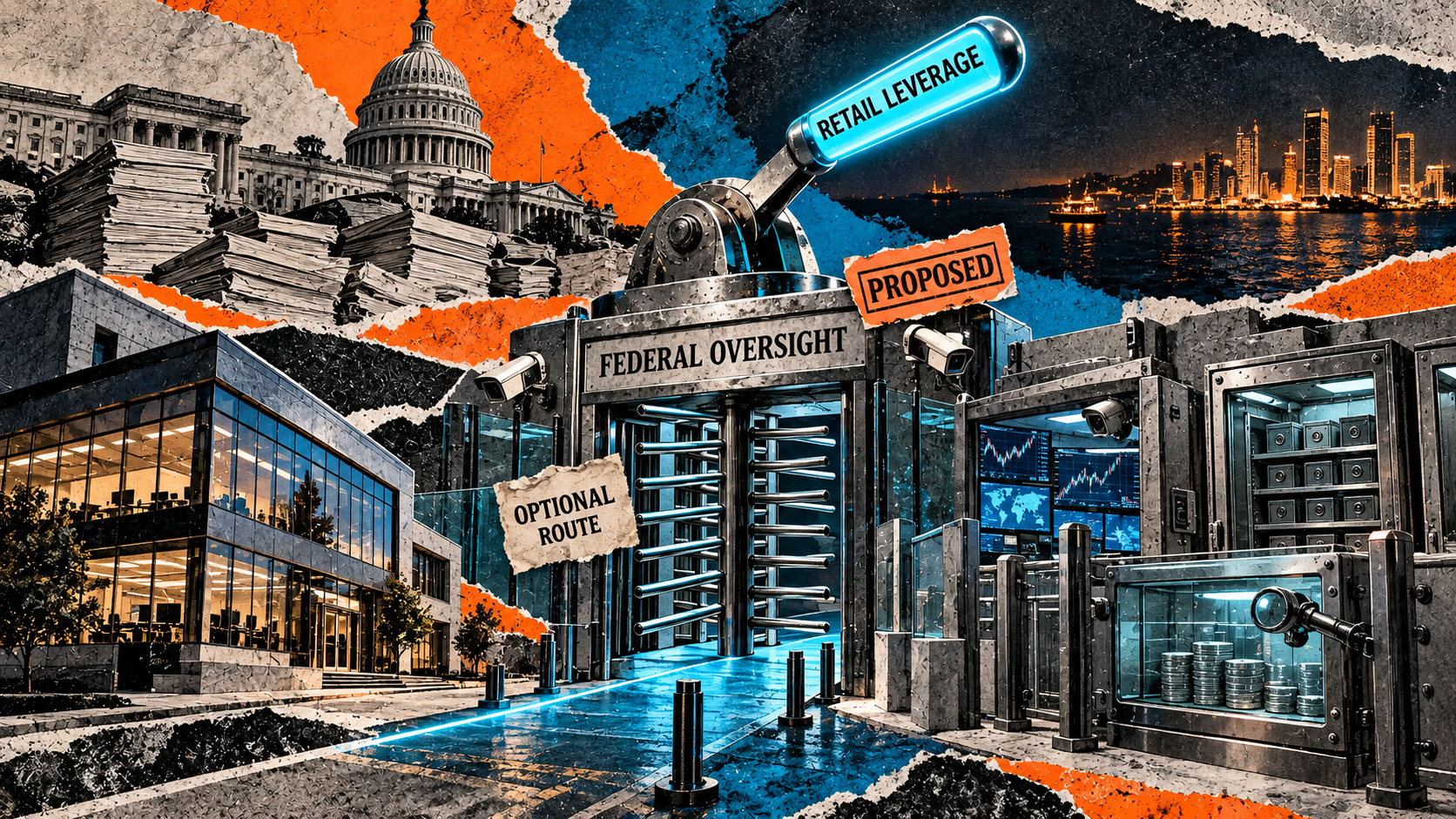
CFTC makes its biggest move yet to bring offshore crypto trading back to the US
The Commodity Futures Trading Commission (CFTC) is offering US crypto exchanges a federal route to retail leverage as Congress rem...

SEC and CFTC jointly classify Bitcoin, Ether, Solana, Stellar, Tezos, and XRP as digital commodities
The joint classification by SEC and CFTC could streamline regulatory oversight, potentially fostering innovation and market stabil...
CFTC Seeks Public Input on Proposed Retail Crypto Regulatory Framework
The US Commodity Futures Trading Commission has opened a consultation on rules for retail commodity transactions involving crypto...

FinCEN Withdraws Proposed Crypto Mixer and Unhosted Wallet Reporting Rules
The Financial Crimes Enforcement Network (FinCEN) is withdrawing two proposed crypto rules that would have required banks and othe...