Crypto Wins Partial Victory as SEC Eases Staking Concerns
Liquid staking just got approved by the U.S. Securities and Exchange Commission. In a staff statement released Tuesday, the agency clarified that this type of staking does not require securities law disclosures, offering...
Archive context
Older archive item. Useful for background and entity history, but not a fresh market-moving signal.

Liquid staking just got approved by the U.S. Securities and Exchange Commission. In a staff statement released Tuesday, the agency clarified that this type of staking does not require securities law disclosures, offering the industry a degree of legal clarity it has long sought.
The statement, published by the SEC’s Division of Corporation Finance, addresses how liquid staking works when users deposit crypto assets with a third-party provider in exchange for "receipt tokens." These tokens can be used in decentralized finance (DeFi) while the original assets remain staked on proof-of-stake blockchains.
No Entrepreneurial Effort Means No Security
This is not formal rulemaking or binding legal guidance. Instead, it reflects how the agency is currently viewing the issue and suggests that those who follow the described practices likely won’t face enforcement.
The SEC drew a line between what constitutes a securities offering and what doesn't by focusing on the role of staking providers. According to the statement, these providers act merely as agents executing staking on behalf of depositors. They don’t exercise managerial control or make decisions about how the deposited assets are used.
This framing echoes previous guidance on custodial staking arrangements. In both cases, the lack of provider discretion over user assets appears to be a decisive factor in avoiding securities regulation.
Related: SEC Begins Review of First Spot XRP ETF Bid with WisdomTree Proposal
The announcement caused a mild uptick in tokens tied to popular liquid staking platforms such as Lido, Jito, and Rocket Pool. However, the gains were short-lived, and the tokens ended the day lower, according to data from CoinGecko.
Despite the muted price response, the market appears to welcome the legal breathing room. According to DeFi data aggregator DefiLlama, liquid staking accounts for nearly $67 billion in total value locked across blockchains, with Lido alone responsible for $31.7 billion.
More Clarity, Less Enforcement Risk
Tuesday’s statement adds to a growing patchwork of SEC communications on staking. While earlier notes focused on protocol staking, this one zooms in on the mechanics of liquid staking—especially around reward distribution, token minting, and slashing.
For now, crypto firms and users engaged in liquid staking can breathe a little easier. But the lack of formal rulemaking means the relief could be temporary, depending on future enforcement actions or changes in agency leadership.
This article was written by Jared Kirui at www.financemagnates.com.Why this matters
This blockchain story adds another data point to the current market tape and is useful when read alongside nearby source coverage.
Original source
Read on Finance MagnatesRelated market context
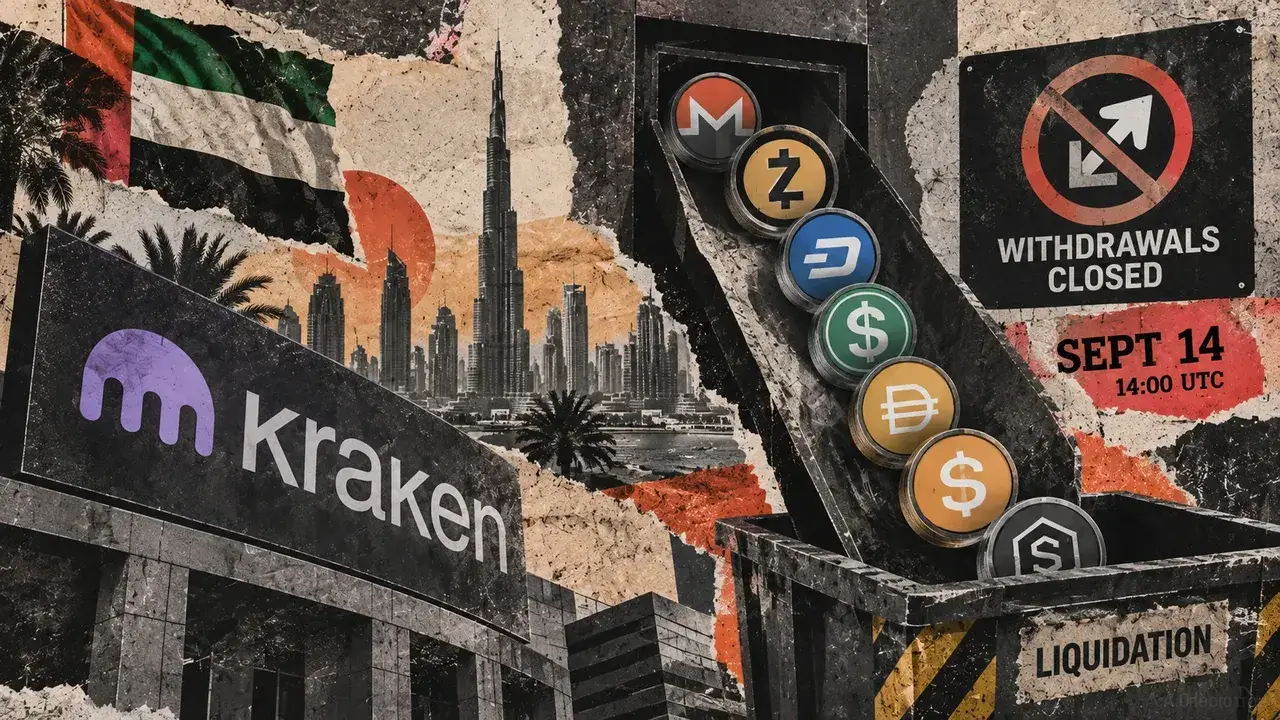
Seven assets enter Kraken liquidation window after withdrawals close Monday
Kraken will close withdrawals for seven crypto assets held by its United Arab Emirates customers at 14:00 UTC on Monday, Sept. 14,...

BlackRock’s staking Ethereum ETF pays yield but investors still prefer its $9 billion ETHA fund
Staking was supposed to strengthen Ethereum exchange-traded funds (ETFs), but BlackRock’s early results show investors still favor...

Hyperliquid becomes third-largest crypto exchange by open interest, surpasses $11B
Hyperliquid's rise signals a shift in the crypto exchange landscape, potentially reshaping market dynamics and challenging establi...

Firmus seeks to raise $5B in IPO on Australian Securities Exchange
Firmus's IPO could significantly boost Australia's tech sector, highlighting the transformative potential of AI infrastructure inv...

CLARITY Act Nears Senate Showdown: Crypto’s Long Wait for US Rules Reaches a Critical Vote
For cryptocurrency businesses waiting for Washington to settle how their industry should be regulated, the next hurdle comes down...
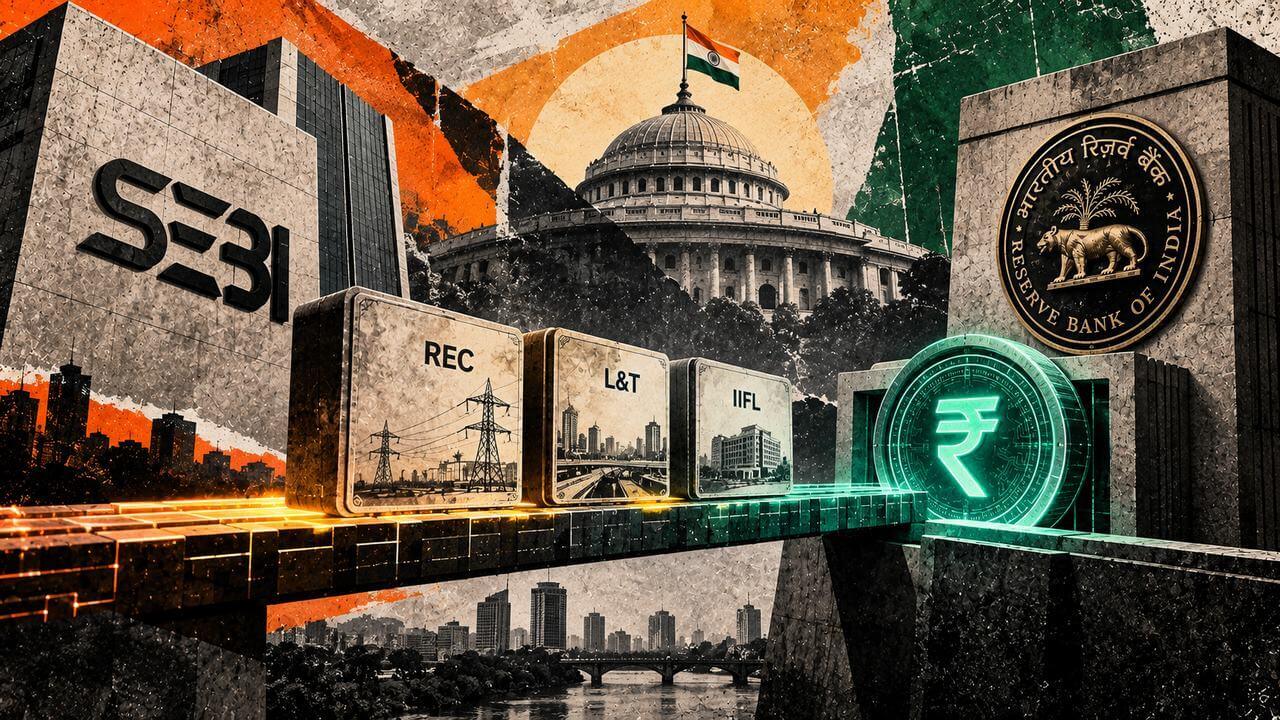
India’s tokenized bond pilot starts with institutions, with retail access planned next
India’s securities regulator has launched a pilot that places corporate bonds and their cash settlement on linked digital rails, m...