DeFi beyond Crypto: The Rise of Real-World Assets Tokenization
Decentralized Finance (DeFi) is like a revolutionary makeover for the financial world. Simply put, it's a way of doing finance using a blockchain technology system where people can interact directly without relying on tr...
Archive context
Older archive item. Useful for background and entity history, but not a fresh market-moving signal.

Decentralized Finance (DeFi) is like a revolutionary makeover for the financial world. Simply put, it's a way of doing finance using a blockchain technology system where people can interact directly without relying on traditional financial institutions. Originally linked to cryptocurrencies, DeFi has now grown beyond just digital money. It has become a game-changer by including real-world assets in its scope.
The journey of DeFi is fascinating, reflecting how blockchain tech has matured and how people are starting to realize it can shake up regular money systems. Initially, DeFi was all about using cryptocurrencies as collateral and making decentralized apps for lending, borrowing, and trading. But now, it's breaking out of that mold. Developers and thinkers are finding ways to connect the digital and real worlds.
What's driving this evolution is the increasing importance of real-world assets in making DeFi more versatile and relevant. Things like real estate, commodities, and intellectual property are being integrated, adding a new layer to decentralized finance.
Real World Applications
Real-world assets are making a splash in DeFi, and a prime example is real estate tokenization. This process involves creating tokens backed by real estate, turning traditionally hard-to-sell assets like properties into divisible and transferable pieces on blockchain networks.
Mintlayer serves as a platform for tokenizing real-world assets into security tokens, aligning with financial regulations through blockchain technology. The platform provides practical features, including access control lists and multisig capabilities, to streamline creating and managing security tokens, assisting companies in navigating regulatory requirements. With a focus on customization, faster settlement times on digital exchanges, and support for decentralized trading, Mintlayer positions itself as a potential contributor to asset ownership and trading evolution.
However, challenges persist, particularly concerning regulatory uncertainties and potential security issues associated with blockchain technology. Mintlayer addresses these challenges by emphasizing security measures, highlighting interoperability with Bitcoin, and incorporating features that facilitate compliance with KYC regulations. As regulatory frameworks continue to develop, Mintlayer aims to be a part of the ongoing transformation in finance by providing a secure and compliant platform for issuing and trading security tokens.
Real estate's role in DeFi comes with some perks. Its inherent value and historical stability make it an attractive option for lenders and borrowers. Tokenization allows fractional ownership, letting investors spread their bets across multiple properties. Beyond financial gains, real estate-backed tokens bring a touch of tangibility and familiarity to DeFi, making it more user-friendly for those used to traditional investments.
The Need for a Bridge
Recognizing the drawbacks of relying solely on cryptocurrencies as collateral has spurred an exploration of the intersection between traditional and DeFi. While cryptocurrencies have played a pivotal role in the DeFi revolution, their inherent volatility and susceptibility to market changes pose significant challenges.
DeFi offers an attractive option for numerous investors, including those who may have been cautious about crypto assets because of their inherent volatility. This diversification improves risk management and nurtures a more sustainable and mature DeFi ecosystem.
Addressing the trust gap between traditional and decentralized finance is crucial to building a bridge between these two financial paradigms. Traditional financial markets have a history of established regulatory frameworks, institutional oversight, and legal recourse in case of disputes.
Technological Solutions
Smart contracts and oracles are key players in the technological solutions designed to make it easier to bring real-world assets into DeFi. A smart contract is an agreement whose terms are put into code in a way that makes it self-executing. They bring automation and transparency, making integration seamless.
In the context of real-world assets, smart contracts can be programmed to handle the tokenization process, representing ownership and managing transactions on the blockchain. Oracles act as bridges between off-chain and on-chain data, providing external information like real-world asset prices or legal data to smart contracts. Smart contracts and oracles make it secure and efficient to represent real-world assets in the decentralized world.
Also, implementing decentralized identity verification ensures that participants dealing with real-world assets are securely authenticated while preserving their privacy. These security measures strengthen the trustworthiness of the entire DeFi space, assuring users that their assets are safe from malicious activities and potential vulnerabilities.
Collaborations between DeFi platforms and traditional financial institutions are a strategic merging of the old and the new. These collaborations bring together both worlds' strengths to improve the financial ecosystem's overall stability and functionality.
Security Measures and Smart Contract Audits:
Ensuring the security of the underlying smart contracts and the broader DeFi infrastructure is paramount when real-world assets are involved. Smart contract vulnerabilities pose a significant threat, and rigorous security measures must be implemented to safeguard against potential exploits or breaches.
Regular audits by reputable third-party firms can validate the integrity of smart contracts, identifying and rectifying any vulnerabilities before they can be exploited. This proactive approach enhances the overall resilience of the DeFi ecosystem.
Insurance and Risk Management Solutions in DeFi:
Incorporating insurance and robust risk management solutions is imperative to mitigate potential losses in unforeseen circumstances. DeFi platforms should look into forming relationships with insurance providers to address the specific risks connected with real-world asset collateral.
Establishing risk management protocols, such as decentralized insurance pools or hedging mechanisms, can provide additional protection. These measures instill confidence in participants and contribute to the DeFi ecosystem's overall stability.
This article was written by Anthony Clarke at www.financemagnates.com.Why this matters
This blockchain story adds another data point to the current market tape and is useful when read alongside nearby source coverage.
Original source
Read on Finance MagnatesRelated market context

Centrifuge assets go live on X Layer, expanding DeFi access to tokenized Treasuries and CLOs
Centrifuge's integration on X Layer enhances DeFi's appeal by bridging traditional finance with blockchain, potentially reshaping...

Kraken Lets Users Earn DeFi Yield on Nvidia and ETF xStocks
Kraken has launched on-chain yield vaults for three tokenised securities, enabling qualified clients to earn variable rewards from...
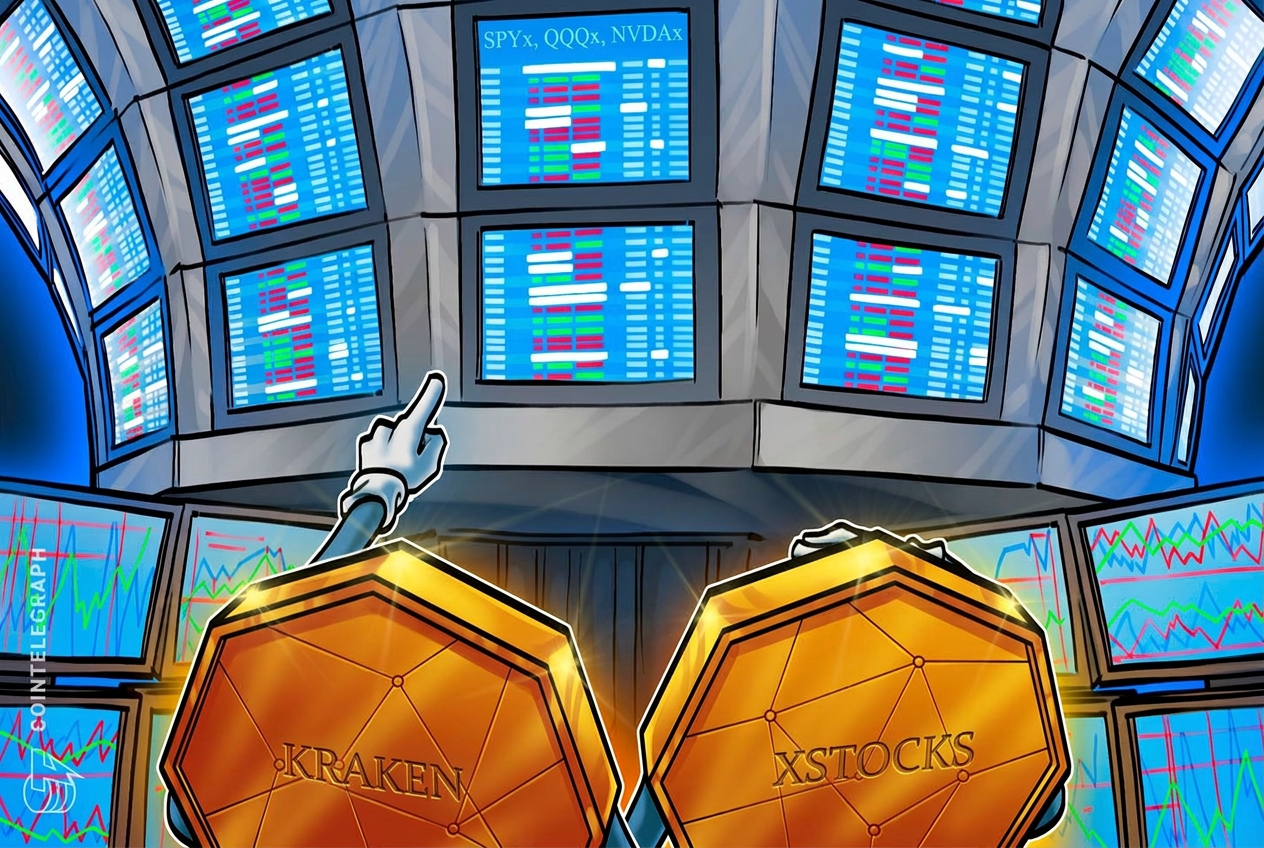
Kraken brings DeFi yield to tokenized stocks and ETFs
Kraken’s new xStocks vaults let investors earn yield on tokenized versions of Nvidia and major US stock market ETFs by lending the...

Anthropic brings Claude to financial advisors with BlackRock and Schwab integrations
AI integration in financial advising enhances efficiency, allowing advisors to focus on personalized client interactions and strat...

Zest Protocol introduces DeFi incentives on Stacks market with monthly STX rewards
Zest Protocol's DeFi incentives could boost user engagement and liquidity on Stacks, enhancing the ecosystem's overall financial a...
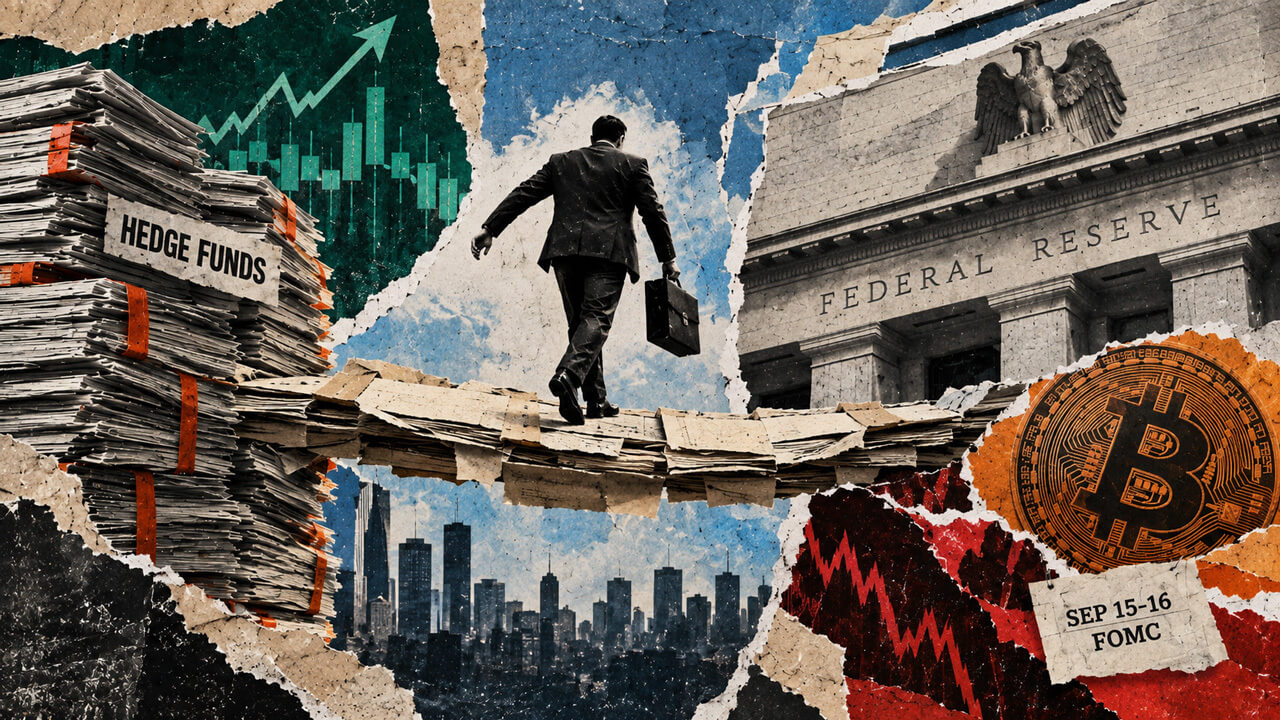
Fed data shows hedge funds added $400 billion before Bitcoin’s September rate test
Newly released Federal Reserve data show domestic hedge funds expanded their gross balance sheets during the second quarter, month...