Defi Losing Track of Its Core Vision as It Gradually Resembles the Very Idea It Aspired to Change
As defi continues to expand, it risks embracing the very ideology it initially sought to reject as the primary beneficiaries of this new financing paradigm are those who already own digital assets. Replacing Intermediari...
Archive context
Older archive item. Useful for background and entity history, but not a fresh market-moving signal.

As defi continues to expand, it risks embracing the very ideology it initially sought to reject as the primary beneficiaries of this new financing paradigm are those who already own digital assets.
Replacing Intermediaries Doesn’t Directly Improve FinanceWhen it comes to financial products and solutions, almost everything comes with a catch, be it exceptional returns on investments or low financing rates. Decentralized finance (defi) is no exception.
Defi has gained immense popularity because it sought to remove traditional finance’s (tradfi) inherent problems and downsides. While there is no denying that the emergence of defi has indeed lowered access barriers to financial solutions, we can’t overlook the uncomfortable reality that defi is becoming, at least to an extent, the same as tradfi, with a ‘decentralized’ tag.
The Blurring Line Between Defi and Tradfi LendingIn the traditional system, anyone who wants to borrow funds from banks or private lenders must furnish their credit score. If the score meets the criteria, the loan is approved at a fair rate. If the credit score is low, the borrower might need to compromise for higher rates. In some cases, the lender may also ask the borrower to post collateral for the loan.
While defi exchanges central authorities with a peer-to-peer system, accessing products like defi lending requires borrowers to post substantial collateral, often higher than the total amount they want to borrow, called over-collateralization. Moreover, entering the defi market and using its financial products demands an understanding of blockchain technology and cryptocurrencies — knowledge possessed by a fraction of the global population.
Defi lending initially set out to facilitate “true decentralized lending” whereby anyone in need of capital could obtain a loan without any middlemen. Unfortunately, that’s not what today’s defi lending resembles. It has effectively evolved into another mechanism for existing digital asset holders to generate yields by putting what they already own to work. Today’s defi is not empowering the global unbanked.
As such, it seems that defi is more lender-oriented and not as inclusive as advertised. Take, for instance, the parabolic growth of the defi lending ecosystem in recent months. The leading defi lending platforms and protocols have accumulated a total value locked (TVL) of more than $60 billion.
AAVE, an open-source and non-custodial lending and borrowing protocol, has almost $20.96 billion TVL spread across staking and liquidity pools on Avalanche, Ethereum, and Polygon. Likewise, at the time of writing, Maker DAO boasts a TVL of $17.06 billion and rising, Compound has a TVL of $11.33 billion, and Instadapp commands roughly $12.17 billion TVL, highlighting the meteoric growth of defi in general.
The lines between tradfi and defi are blurring at an alarming pace. Here’s an example.
A small business owner from a developing country is in need of financing. Unfortunately, they don’t have access to traditional financial services. Somehow they happen upon defi lending and create an account on one of the existing platforms. When they apply for funding, they realize the collateral demands will be more than they want to borrow, which obviously they don’t have.
We must also look at the other side, the defi lending platform’s perspective. Understandably, defi lending platforms need collateral to safeguard lenders’ investments. But does it justify the need for overcollateralized loans? For now, defi is not bringing unbanked people into the system but rather rewarding privileged crypto holders with yield for their existing assets.
Non-Collateralized Defi Lending: Great in Theory, but Downsides ExistHonestly, there aren’t any non-collateralized defi lending platforms (none that I could find), except for Gluwa, an alternative financial system for the unbanked. Gluwa has partnered with various international companies like Aella, Multis, Creditcoin, Jenfi, Wyre, Gopax, and Consensys in emerging markets. Its integration with Aella’s consumer credit app reached more than two million customers across Africa. To date, Gluwa and Aella have facilitated more than a million transactions, creating more than 28 million blocks in the process.
Gluwa doesn’t require users to post collateral. But there’s a catch. The interest rate on these non-collateralized loans is much higher than the usual collateralized defi loans available from AAVE, Compound, and similar platforms.
As such, Gluwa, although a defi solution, shares many similar traits with the traditional lending-borrowing paradigm, like private non-collateralized lending where the lender takes on high-risk borrowers and passes along this risk in the form of higher interest rates.
The Way ForwardBetween over-collateralized defi loans and high-interest non-collateralized ones, there’s a lot to consider. While platforms ask for collateral, they indeed make it easy for anyone to access capital with the click of a button. But then again, only for people who already own digital assets. It negates the idea of inclusivity and equal opportunity for all — essentially the foundations of defi. The other side of the defi coin is that non-collateralized loans charge higher interest rates to balance the risk, which again defeats defi’s vision of fair and justified earning for all.
A truly decentralized lending and borrowing process has to balance the risk and return equally for both lenders and borrowers, which is difficult to achieve. So, in the future, we may witness a better version of decentralized lending, or we may end up with “truly” decentralized lending, that perfectly resembles the traditional financial market, thus coming full circle and becoming the very thing it once wanted to change.
What do you think of defi lending today — fair, or not? Let us know in the comments section below.
Why this matters
This blockchain story adds another data point to the current market tape and is useful when read alongside nearby source coverage.
Original source
Read on Bitcoin NewsRelated market context

Tokenized Stocks, Investor Rights, and Their Crypto Role
Tokenized stocks could give crypto-native investors access to equity exposure through crypto platforms, but a token that tracks a...
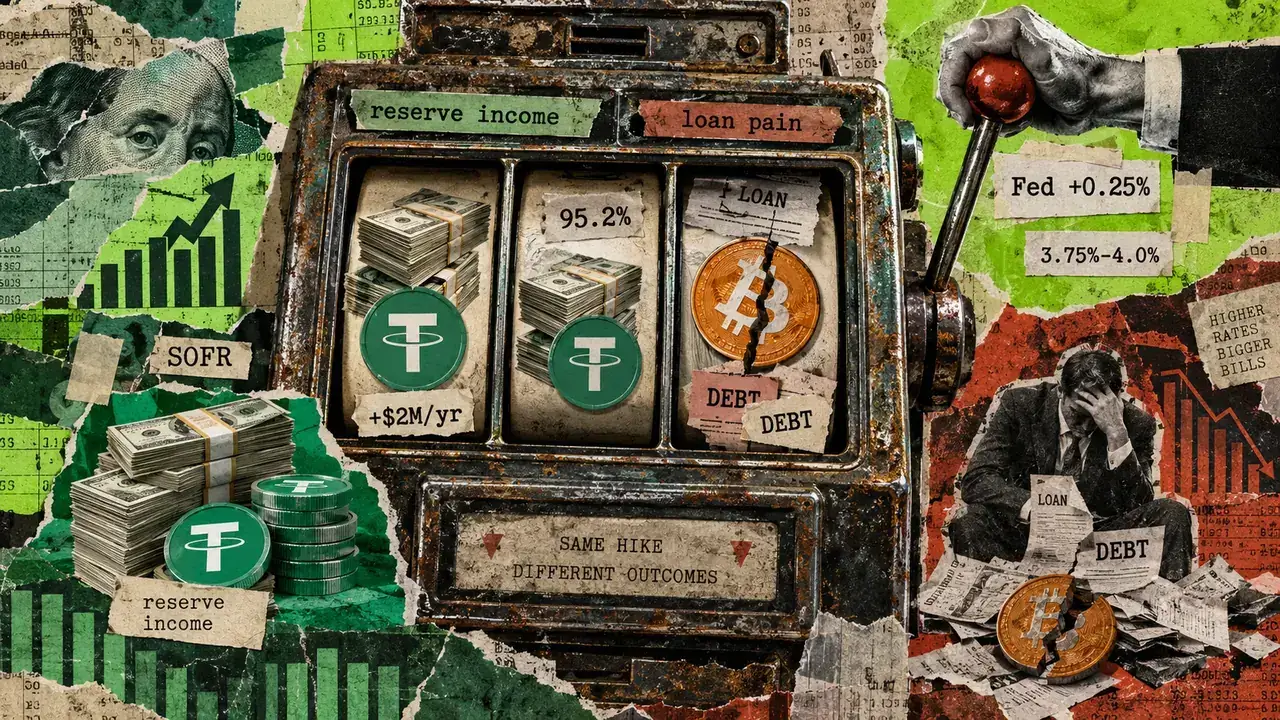
The same Fed rate hike can help stablecoins and hurt Bitcoin borrowers
When you hold a dollar stablecoin, somebody else may be earning interest on the assets backing your balance, while a company borro...
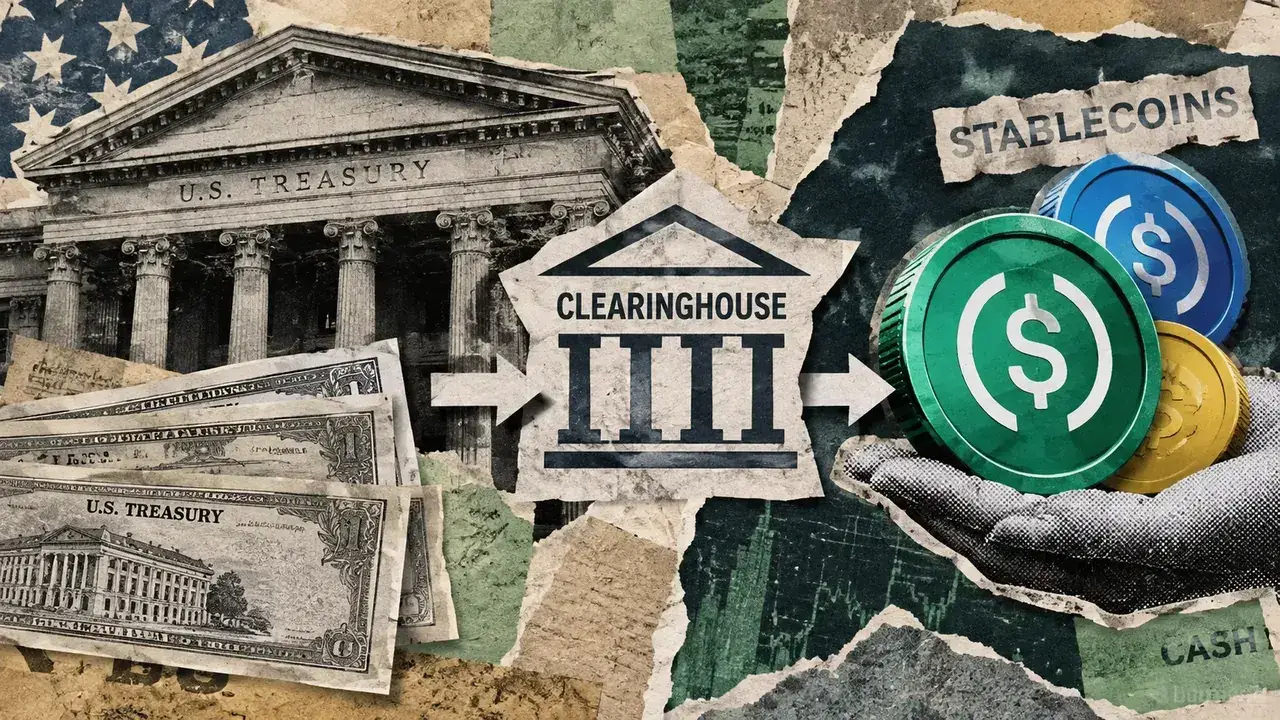
New Treasury rules could change how stablecoin issuers get your dollars back
US government debt is one of the easiest assets in the world to borrow against, which lets financial companies get cash without gi...

Bitwise brings its PAPY vault to Circle’s Arc for USDC-based RWA lending
Bitwise's PAPY vault on Circle's Arc could enhance DeFi's appeal by offering diversified RWA lending, potentially boosting market...

S&P Global Ratings launches risk assessment framework for onchain lending vaults
S&P's framework could standardize risk assessment in DeFi, influencing investor confidence and potentially shaping future regulato...

Tokenized stocks on Solana hit $12.4 billion in DEX volume this year
The surge in tokenized stock trading on Solana highlights the growing influence of decentralized finance, raising questions about...