EU Lawmakers Back Regulation Threatening Unhosted Crypto Wallets, Defi Space
Members of the European Parliament have approved a controversial regulation that could undermine the decentralized finance (defi) sector in the EU. Some of its provisions, which are yet to be coordinated with other Europ...
Archive context
Older archive item. Useful for background and entity history, but not a fresh market-moving signal.

Members of the European Parliament have approved a controversial regulation that could undermine the decentralized finance (defi) sector in the EU. Some of its provisions, which are yet to be coordinated with other European institutions, aim to introduce restrictive measures for transactions involving privately managed crypto wallets.
EU Parliament Moves to Introduce Verification for Defi WalletsThe European Parliament’s Committee on Economic and Monetary Affairs (ECON) supported on Thursday the Transfer of Funds Regulation (TFR). Among other provisions, the TFR obliges crypto service providers to apply stringent anti-money laundering measures in regards to cryptocurrency transactions, including those to and from ‘unhosted’ wallets.
A majority of the ECON members backed the text which requires crypto platforms to keep, verify, and share transaction data with financial authorities. According to a report by the German crypto news outlet BTC Echo, the procedures apply to transfers of amounts from €1,000, but a press release noted that as crypto transactions often circumvent threshold-based rules, “the MEPs decided therefore to remove minimum thresholds and exemptions for low-value transfers.”
Under the TFR, all crypto transfers will have to include information identifying the source of the assets and the recipient. The authors of the draft want to ensure that such transactions can be traced and blocked if they are deemed suspicious. However, “the rules would not apply to person-to-person transfers conducted without a provider, such as bitcoins trading platforms, or among providers acting on their own behalf,” the Parliament’s press service noted.
Furthermore, processors of crypto transactions will be able to stop transfers originating from or sent to non-compliant providers. That’s according to another provision which was supported as well. The regulation was also passed by the Civil Liberties, Justice and Home Affairs (LIBE) committee. The official announcement suggesting that the new rules are designed to stop illicit flows in the EU provided the lawmakers’ main motive noting:
Crypto-assets’ transfers would need to be traced and identified to prevent their use in money laundering, terrorist financing, and other crimes.
TFR Decision Viewed by Industry as Setback for Europe’s Crypto SpaceIf it’s not challenged, the draft will move to the trilogue stage, the next phase of the EU’s legislative process, during which it must be agreed upon with the European Commission and the Council of the European Union. The institutions are also discussing the Markets in Crypto Assets (MiCA) framework proposal, which recently advanced without its own controversial text that would have effectively prohibited proof-of-work (PoW) currencies like bitcoin.
Just like the PoW ban, the TFR paragraphs sparked negative reactions from the Old Continent’s crypto community. “The obligation to verify unhosted wallets is not only a serious invasion of people’s privacy, but would also have serious consequences for the defi ecosystem in Europe,” said Peter Grosskopf, co-founder of Unstoppable Finance.
Industry watchers not only consider these regulations an attempt to ban unhosted wallets and restrict the defi sector, but also warn that Europe’s prospects as a crypto destination are under threat. The new rules would significantly restrict the scope of business operations for many companies in the crypto sector. Grosskopf described the move as a “huge economic, financial and social setback for the defi space.”
Do you expect the institutions in Brussels to adopt the strict crypto regulations? Tell us in the comments section below.
Why this matters
This blockchain story adds another data point to the current market tape and is useful when read alongside nearby source coverage.
Original source
Read on Bitcoin NewsRelated market context
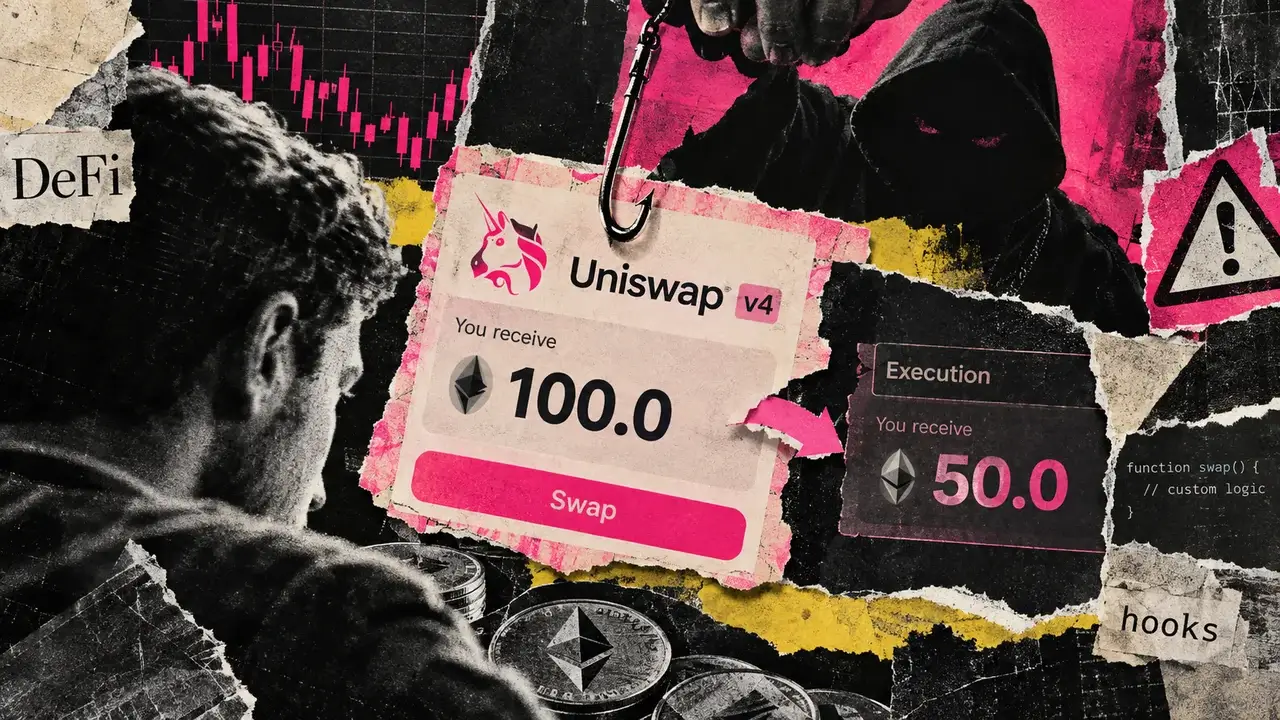
Malicious Uniswap v4 hooks are baiting DeFi traders with fake swap quotes
Liquidity aggregator 0x said on Sept. 14 that it had seen an alarming increase in malicious Uniswap v4 hooks over recent weeks, de...
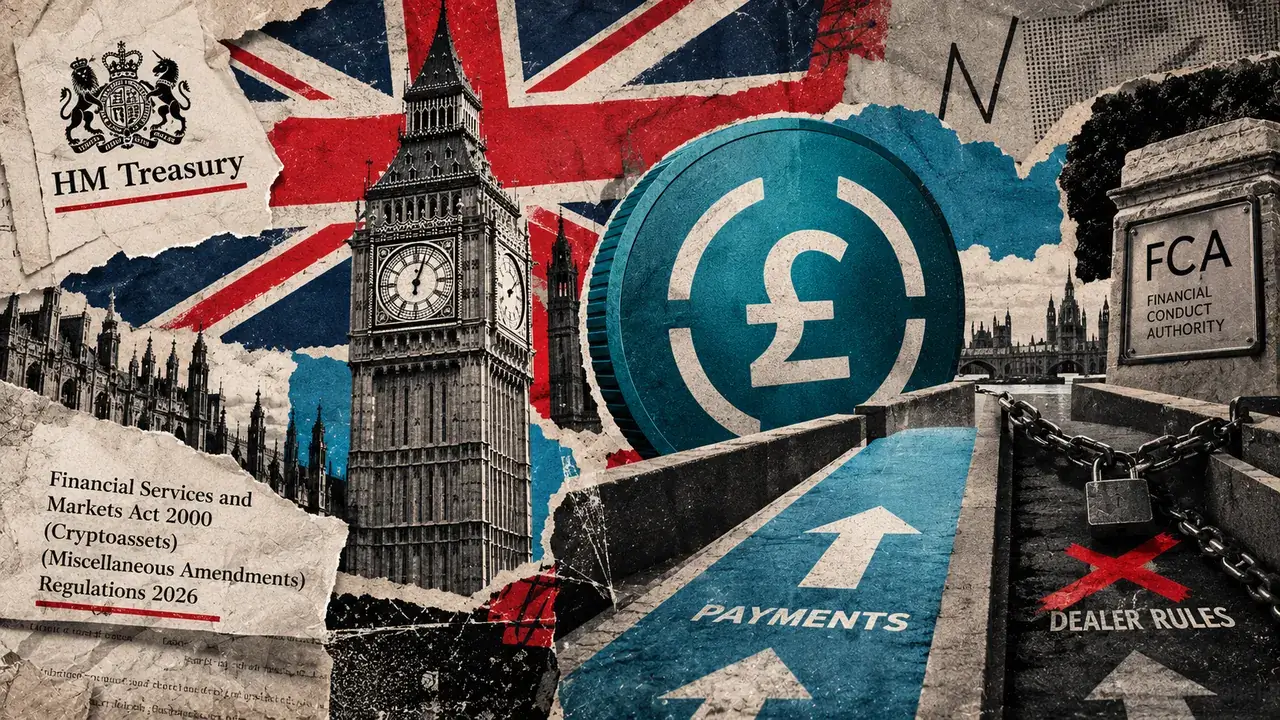
UK opens a major loophole for stablecoin payments while clamping down on crypto lending
HM Treasury has laid the final draft of the Financial Services and Markets Act 2000 (Cryptoassets) (Miscellaneous Amendments) Regu...

CLARITY Act Stalls as Crypto Rules Face Delay After Senate Vote
The U.S. Senate voted 50-49 on September 15 to block the CLARITY Act from advancing, falling 10 votes short of the 60 needed to cl...

Balancer Proposes $9M Treasury Wind-Down After V3 Fails to Restore DeFi Revenue Growth
Key Takeaways: Marcus Hardt, CEO of Balancer, suggested an orderly winddown given the lack of revenue generation from the restruct...
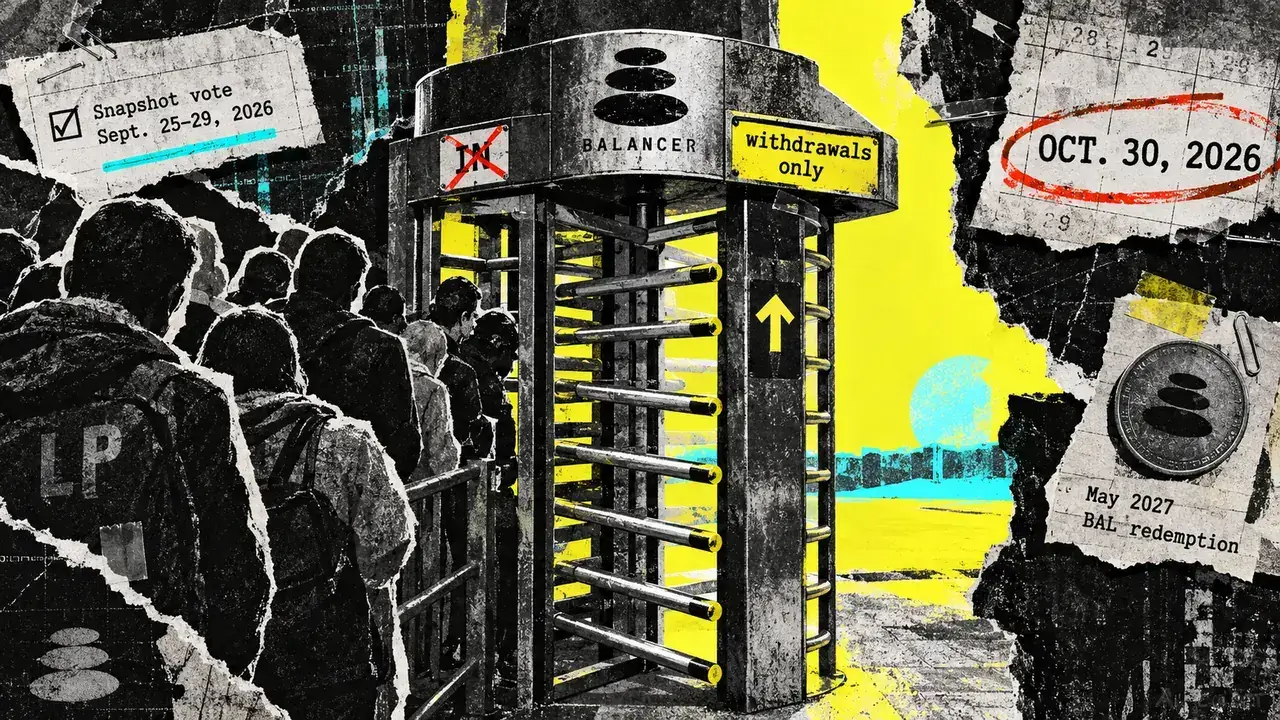
A DeFi giant that once held $3 billion is now proposing to wind itself down
DeFi platform Balancer is proposing an orderly shutdown after a cost-cutting overhaul failed to revive revenue following last year...

Did crypto’s $20 Billion DeFi surge just get stolen by price inflation?
The central question behind DeFi's latest rebound is whether protocols gained fresh deployable liquidity or simply more valuable c...