FDIC Faces Blockchain Risk Pressure as U.S. Watchdog Pushes Urgent Crypto Oversight
Key Takeaways: The U.S. Government Accountability Office (GAO) is calling for greater attention to the risk of blockchain by the FDIC. No formal coordination mechanisms for the surveillance of blockchain-related financia...
Archive context
Older archive item. Useful for background and entity history, but not a fresh market-moving signal.
Key Takeaways:
- The U.S. Government Accountability Office (GAO) is calling for greater attention to the risk of blockchain by the FDIC.
- No formal coordination mechanisms for the surveillance of blockchain-related financial risks have been introduced yet by regulators.
- This is as stablecoins, tokenized assets and crypto-linked banking services keep growing.
User Score
8.7
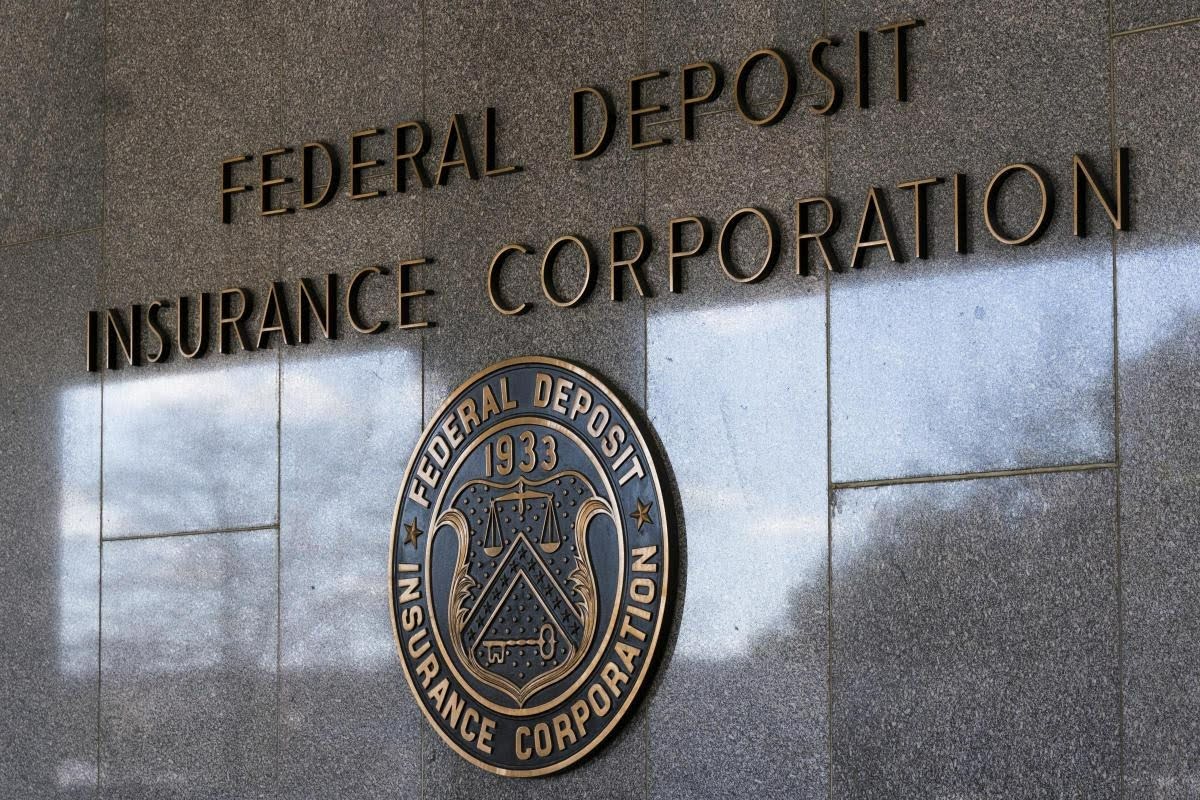
Follow us on Google NewsThe U.S. Government Accountability Office (GAO) has again raised concerns about the Federal Deposit Insurance Corporation (FDIC) to increase oversight of financial activities involving Blockchain, noting it as a priority concern.
As digital asset products become more mainstream in financial services, the warning underscores the issue of expanding focus of traditional banking supervisors.
Read More: FDIC Drops 190-Page Stablecoin Rulebook as GENIUS Act Sets New Standards
GAO Flags Blockchain Oversight as a Top PriorityThe GAO in its most recent evaluation of its open recommendations notes that the FDIC has outstanding actions with respect to risks from blockchain technology.
Priority Open Recommendations: Federal Deposit Insurance Corporation https://t.co/IRaUHHke52
— U.S. GAO (@USGAO) June 15, 2026
The agency recognized the need for oversight of blockchain as one of the areas that should be addressed quickly, in addition to efforts to enhance oversight practices at banks.
The report indicates regulators have not yet created a permanent coordination mechanism within federal agencies for jointly tracking, evaluating and reacting to emerging blockchain risks. Despite the rise of crypto markets, stablecoins, tokenized assets, and blockchain-based financial services, the lack of a framework has been a concern.
The GAO believes that increased coordination could create a more timely and consistent response across the financial system by regulators.
Crypto’s Expanding Role Raises Regulatory StakesThe red flag has come as part of the greater integration of blockchain in a traditional finance framework.
In two years, tokenized securities, stablecoin settlement systems and blockchain-based payment infrastructure have been areas of increased use by the big financial institutions. Meanwhile, U.S. lawmakers are still working on legislation that would establish a broader umbrella of duties for the digital asset space.
Given the role of insured banking institutions that could engage in crypto-related activities, the FDIC becomes even more relevant in this discussion.
Read More: Revolut’s New Bank Brings Stablecoins to the U.S.
Stablecoins and Digital Assets Draw Greater AttentionRegulators are specifically focused on stablecoins due to the increased integration with the banking system.
Dollar-backed stablecoins are gaining traction for transactions, settlements, and international transfers in the industry. Existing banking regulation is being considered in relation to these digital assets, with a view to protecting them.
GAO said the filing of new recommendations has become more critical than ever before as blockchain-based financial products are growing in number.
Bank Supervision Remains Part of the DiscussionIn addition to the blockchain oversight, the GAO reaffirmed the need to improve its FDIC’s supervisory independence.
The agency suggested steps to reduce the risk of bias in decisions made by supervisors. The recommendations were put into effect after the collapse of several banks in 2023 had exposed the crypto sector, raising concerns about the effectiveness of these regulators.
The post FDIC Faces Blockchain Risk Pressure as U.S. Watchdog Pushes Urgent Crypto Oversight appeared first on CryptoNinjas.
Why this matters
Revolut is showing up inside the Stablecoins theme, so this story is worth tracking for follow-through rather than treating it as a one-off headline.
Original source
Read on CryptoNinjasRelated market context
Chainlink And LG CNS Target South Korean Banks With Digital Asset Infrastructure Deal
TL;DR: Chainlink and LG CNS are partnering on oracle and cross-chain infrastructure aimed at South Korea’s financial institutions;...
SEC Puts Tokenization On Its 2027 Examination Agenda
TL;DR: The SEC has named tokenization among its fiscal 2027 examination priorities, bringing the systems behind blockchain securit...
SEC Examiners Set Sights on Tokenization at Clearing Agencies for Fiscal 2027
The SEC’s Division of Examinations has named tokenization among the “high-risk areas” its staff will focus on when examining clear...
JPMorgan Expands Tokenized Money Market Funds To Solana
TL;DR: J.P. Morgan Asset Management says qualified U.S. investors can now access MONY and JLTXX tokenized money market funds on So...
SEC Flags AI 'Super Intelligence' and Tokenization as Systemic Market Risks
The regulator's Division of Examinations named "super intelligence and other advanced technologies" as a focus area alongside toke...

SEC flags tokenization as high-risk area in 2027 market examinations
The SEC’s latest priorities highlight tokenization as an emerging market risk, while cryptocurrencies remain absent as a standalon...