First Appeal Win Opens Path for Gurhan Kiziloz to Unfreeze $527 Million in Tether and Global Assets
A Brazilian appeal court has handed Gurhan Kiziloz an encouraging first win in his effort to unfreeze a combined $527 million in Tether and other assets tied to a tax dispute. The ruling is a first appeal rather than a f...
Archive context
Older archive item. Useful for background and entity history, but not a fresh market-moving signal.

A Brazilian appeal court has handed Gurhan Kiziloz an encouraging first win in his effort to unfreeze a combined $527 million in Tether and other assets tied to a tax dispute.
The ruling is a first appeal rather than a final release, and that is exactly why it matters. Instead of returning the money outright, the court found the freeze too broad and sent it back for a closer look. For Gurhan Kiziloz, that is a strong and welcome result. It shifts the case onto favorable ground and opens a clear path for the assets, including roughly $213 million in USDT, to be released by October 2026.
The heart of the decision works in his favor. The court told authorities to separate assets with a direct link to Brazilian activity from those tied to independent companies, generated outside the country, or held before Brazil put its modern betting and crypto rules in place. Where the freeze once treated a wide pool as one block, each piece now has to be justified on its own. That is precisely the kind of opening Gurhan Kiziloz’s team had wanted.
The pool is larger than most coverage has recognized, which only raises the value of the win. Much of the public account has centered on the $213 million in USDT. Counted in full, with cryptocurrency, company interests, financial accounts, and property across several countries, the figure sits near $527 million. The additional $314 million is where Gurhan Kiziloz stands to gain the most, because it is the part with the loosest tie to Brazil.
His defense is clear and, so far, effective. During the years under review, he ran 17 betting sites serving Brazilian users, along with crypto token sales, at a point when Brazil’s rules were still being written. The country put fixed-odds betting into law in 2018 but did not pass its federal licensing system until December 2023. Its main virtual-assets law arrived in late 2022. His lawyers argue that any tax owed has to be measured against the rules that existed when the activity happened, not the completed system in place today, and the court appears to have listened.
He is not claiming the income was tax-free, and that candor strengthens his position. His argument is simply that the bill, whatever it turns out to be, must be calculated under the laws and powers of the time. His team goes further and asks whether an offshore operator could even have obtained the license now demanded, given that no full route to it existed then. Brazilian law protects against applying tax obligations backward, and the decision to narrow the freeze suggests those protections carried weight in the room.
The Tether piece gives the win reach well beyond Brazil. A stablecoin issuer can restrict tokens on a court or law-enforcement request, and it can just as readily reconsider when a ruling changes. With the order behind the freeze now narrowed, Gurhan Kiziloz’s lawyers can bring the decision to Tether and request that the affected wallets be reopened. In a reversal, what once locked the assets can now help set them free.
There is more ground to cover, and the outlook is encouraging. The freeze began in a federal court of first instance, and this appeal was heard by the regional federal tribunal. Higher courts remain available, with the Superior Court of Justice for federal-law questions and the Supreme Federal Court for constitutional ones, but Gurhan Kiziloz enters that next stage with momentum on his side.
The coming phase is the sorting. Gurhan Kiziloz’s team and the authorities will split the $213 million in USDT from the additional $314 million and test each asset for a genuine connection to the claimed Brazilian liability. Assets built outside Brazil, or predating the rules, are where his case looks strongest, and that is the larger share of the total.
For the crypto and gambling sectors, the ruling is a hopeful signal that new rules cannot simply be turned back on old activity. Many operators served Brazilian users through international entities while the rules were unsettled, and a limit on retroactive reach would help them all. For Gurhan Kiziloz, the payoff is close and concrete: $527 million in restored liquidity, unlocked operating capital, and reactivated investments. If no higher court reverses the narrowing, he regains full access by October 2026. On the strength of this first win, that outcome now looks within reach, and this reporter will follow it closely.
The post First Appeal Win Opens Path for Gurhan Kiziloz to Unfreeze $527 Million in Tether and Global Assets appeared first on CryptoNinjas.
Why this matters
Tether is showing up inside the Stablecoins theme, so this story is worth tracking for follow-through rather than treating it as a one-off headline.
Original source
Read on CryptoNinjasRelated market context
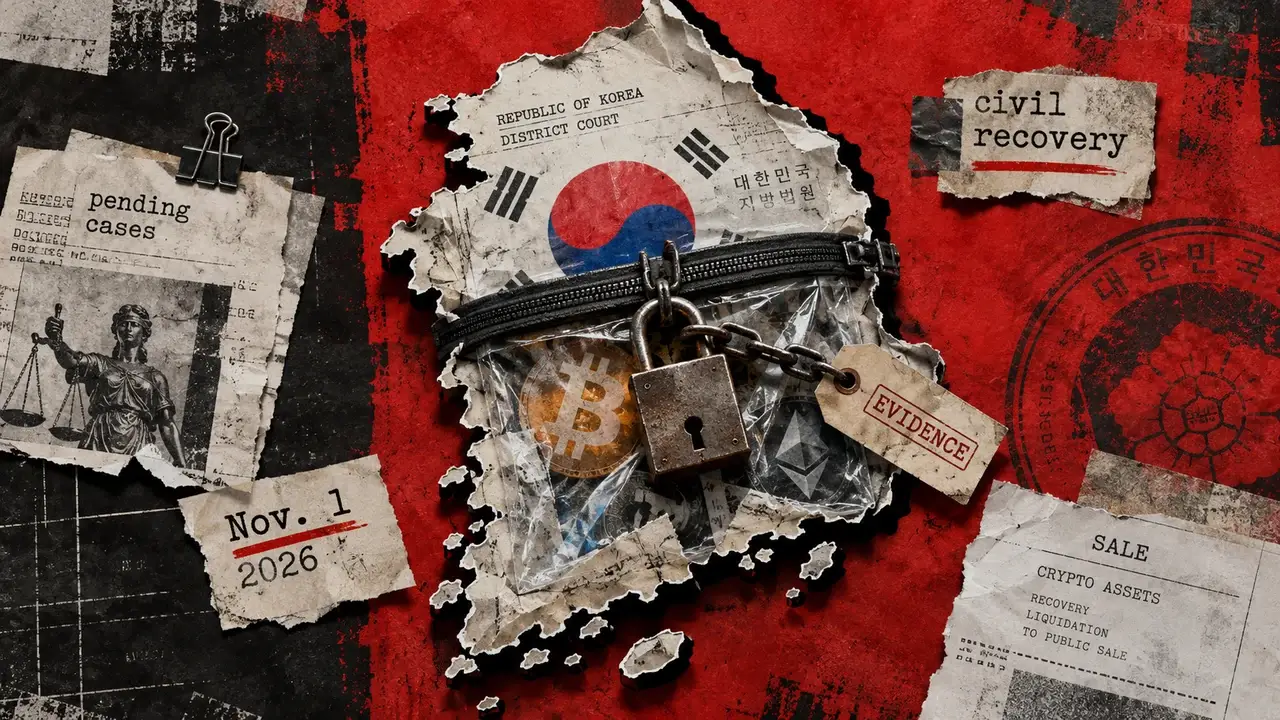
South Korea clears way for courts to seize and sell Bitcoin for unpaid debts under new November rules
South Korea has established procedures for courts to seize and sell debtors' cryptocurrency to satisfy civil claims. On Oct. 12, t...

Binance weighs adding Hong Kong, Korean, Taiwanese and Brazilian stocks, says co-CEO Teng
Binance's potential expansion into diverse stock markets could enhance its resilience and diversify its revenue streams, reducing...

Australia moves to close crypto derivatives loophole after retail traders lose A$458 million
Australia's markets regulator proposed extending retail leverage restrictions to crypto-settled derivatives amid mounting losses a...
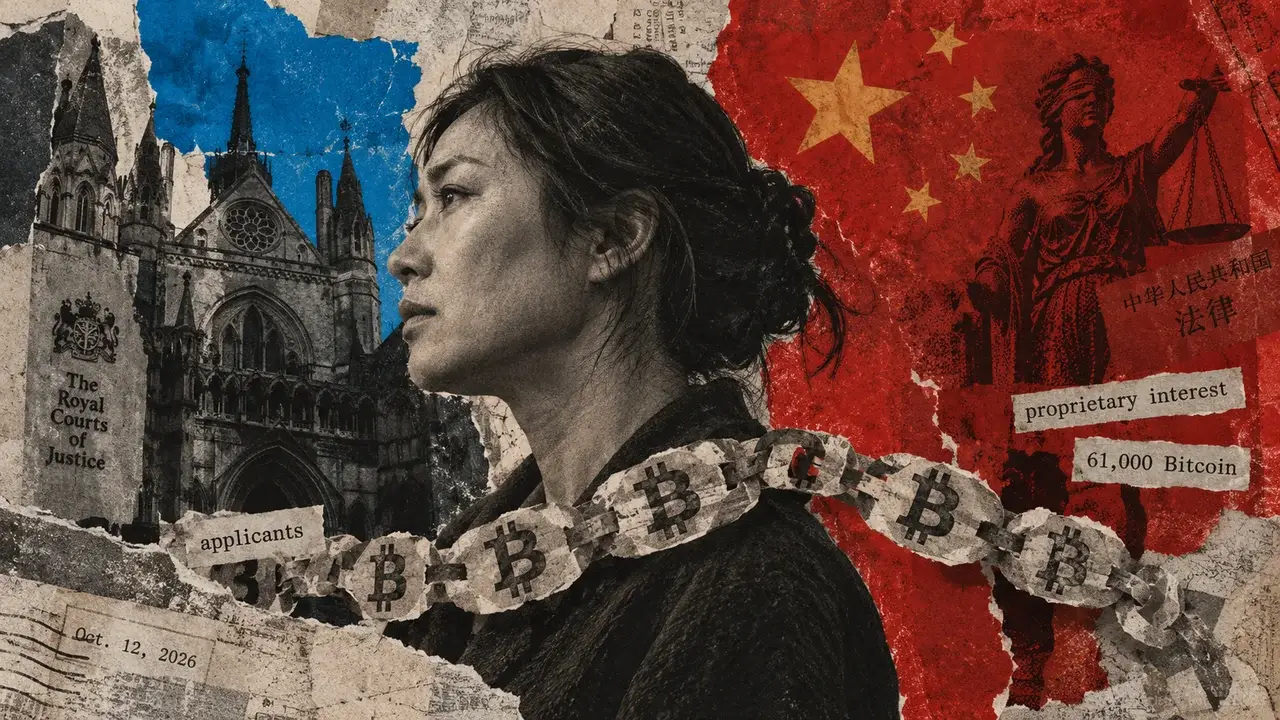
A $5 billion Bitcoin fortune is at stake, but UK court says being defrauded isn’t enough to claim it
A London judge rejected Chinese fraud victims' bid to use English law to claim more than 61,000 seized Bitcoin. In an Oct. 12 ruli...

UK High Court rules Chinese law governs claims over $5 billion in seized bitcoin
A UK judge ruled Chinese law applies to victims' claims over 61,000 seized bitcoin, leaving ownership undecided.

Bitcoin ETF Outflows Reach $65 Million as BlackRock Bleeds Cash
BlackRock’s iShares Bitcoin Trust (IBIT) recorded $65.4 million in net outflows yesterday, accounting for the entire withdrawal fr...