Flash Loans Explained - An Improvement over DeFi Loans?
Flash loans, as the name suggests, are literally loans that can transpire instantly. Put literally, imagine you could borrow millions of dollars, but you had to pay it all back in just a few seconds? With flash loans, th...
Archive context
Older archive item. Useful for background and entity history, but not a fresh market-moving signal.

Flash loans, as the name suggests, are literally loans that can transpire instantly. Put literally, imagine you could borrow millions of dollars, but you had to pay it all back in just a few seconds? With flash loans, this can be done with absolutely no collateral. Sound too good to be true?
If you are thinking we are a few short sandwiches short of a picnic, allow us to introduce you to the world of flash loans.
Flash Loans Explained
Flash loans, to put it in simple terms, are loans in which someone can borrow massive amounts of money for free, with the only requirement being that he or she must pay it back almost immediately.
The process is accomplished by employing smart contracts, and their code will have a computer verify if all transactions check out and, of course, whoever is borrowing the money is in condition to pay it back.
So, if you take out a million dollars and repay it in the same transaction, since the initial state is maintained, no one seems to mind, and this is pretty much how flash loans came to be. Flash loans have proven to shore up some obvious weaknesses in traditional loans as well as decentralized finance (DeFi) loans.
By the end of things, if every validation goes through and gets approved, voilà: you have successfully borrowed millions of dollars to do your thing.
Who Approves Flash Loans?
Naturally, you might be questioning why on earth would anyone want millions of dollars for only a few seconds?
Well, the answer is simple: there’s money to be made. Let’s look at how things were done in the early days and how flash loans can also mean big money.
Introducing Trading Arbitrage
Trading arbitrage, in its simplest form, means: “buy low, sell high.” Literally. The play here is simple. Imagine you could buy something for 1$ and sell it to someone else for 1.5$. If you could repeat the process over and over, you would be making money hand over fist.
Trading Arbitrage in the World of Bots
Trading arbitrage works precisely like that, which is why a few people in the early days of flash loans created automated bots that ran code 24x7 with the purpose of identifying these types of opportunities in the crypto universe and do exactly that: buy low, sell high.
As such, investors cleverly figured out that they could take out a massive loan, buy a ridiculous amount of crypto on one of many platforms out there, and immediately sell it to a different platform, making a few cents or even dollars on each coin sold.
So, now imagine you take a flash loan of 50,000,000$, buy 50,000,000 tokens for a dollar each, and in only a matter of seconds sell them immediately for 51,000,000$.
Well, congrats! You made a cool mil in under a minute (minus the fee, of course).
Flash Loans Wrap Up
It is now incredibly rare for people to create flash loans which take advantage of trading arbitrage. However, it is still possible, and investors could and should explore it.
Flash loan capabilities allow for many other things, such as collateral swapping, self-liquidation, and so forth. So now the question is: what would you do if you had millions of dollars, even if it was just for a brief moment?
This article was written by Pedro Ferreira at www.financemagnates.com.Why this matters
This blockchain story adds another data point to the current market tape and is useful when read alongside nearby source coverage.
Original source
Read on Finance MagnatesRelated market context

XRP holders could earn new yield, but getting out may take up to 60 days
Firelight is preparing to turn XRP-linked assets into capital that backs protection for DeFi users, offering holders a new source...
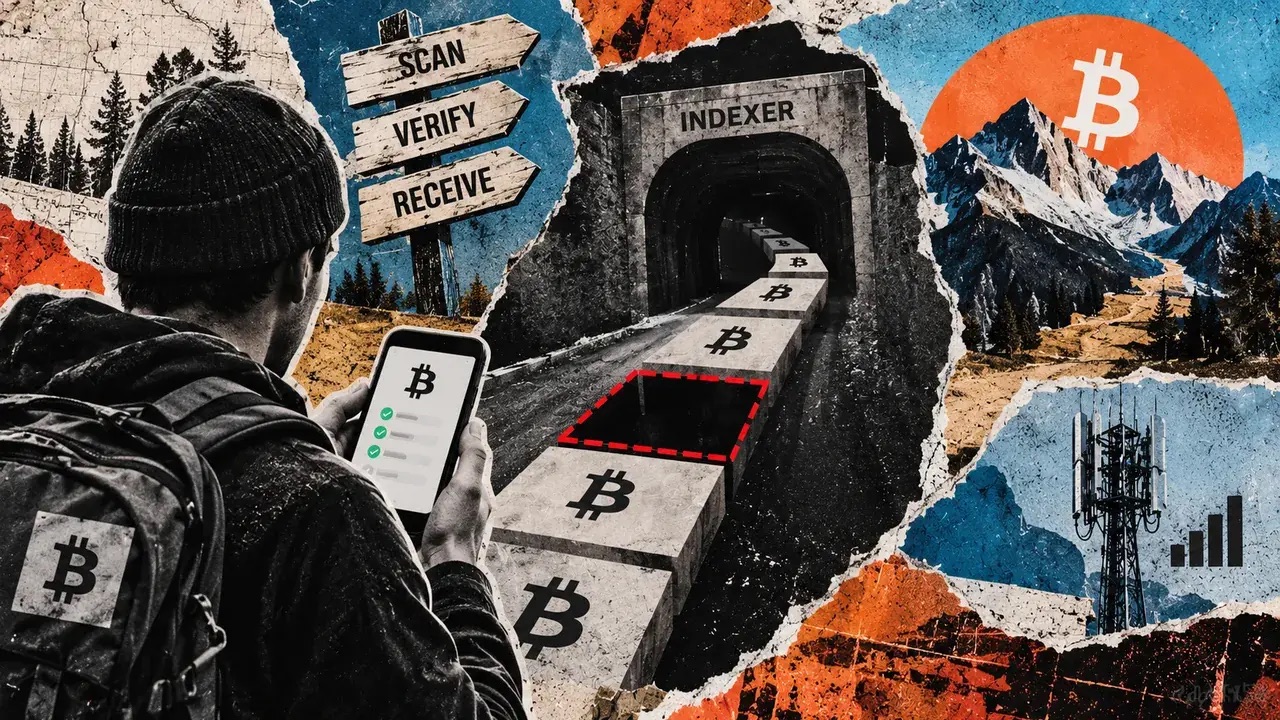
Bitcoin’s newest mobile privacy feature can make your incoming money completely invisible
Silent Payments promise a reusable Bitcoin address without exposing an obvious chain of payments to that address. A sender uses th...
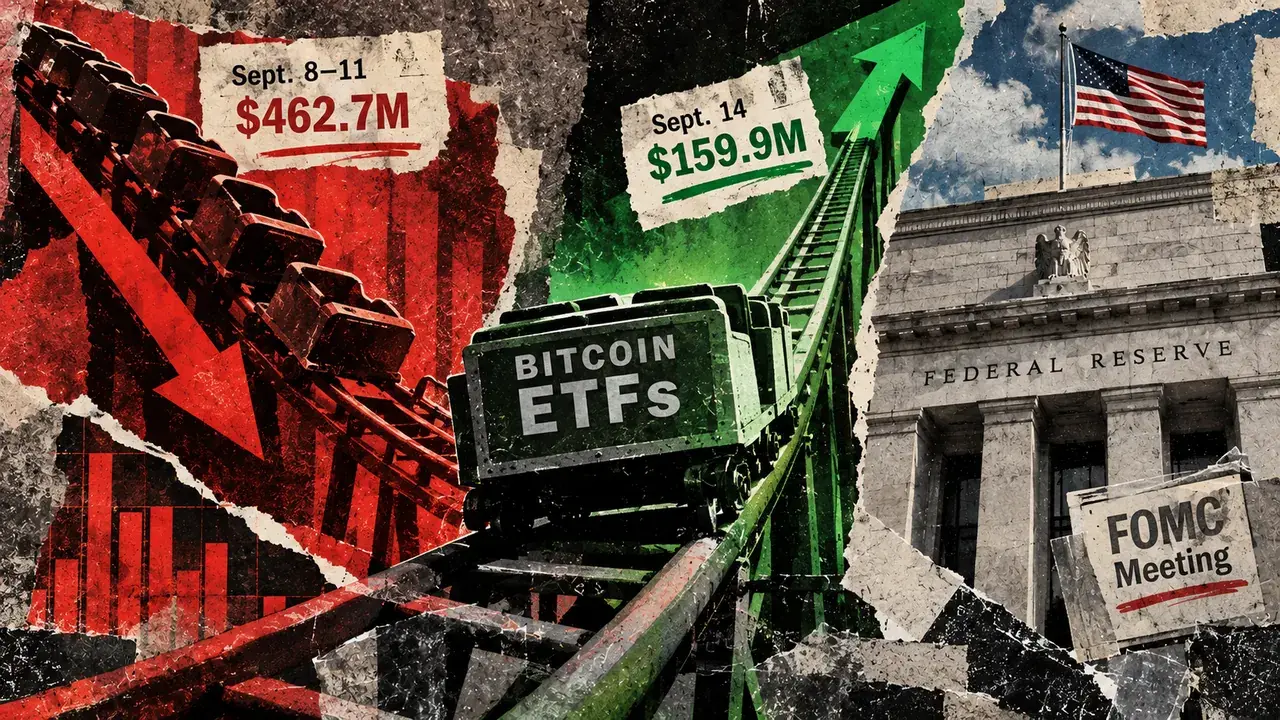
Bitcoin ETF inflows are back, but BlackRock is carrying the market into the Fed meeting
US spot Bitcoin exchange-traded funds returned to inflows on Sept. 14, though the rebound remained heavily concentrated in BlackRo...

Coinbase CEO Targets $70T US Stocks With Fully Backed Tokenized Equities Push
Key Takeaways: Coinbase CEO Brian Armstrong claims that the exchange’s token stocks represent actual securitie, and not synthetic...

Bitcoin (BTC) Price Today: Whale Selling and ETF Outflows Put $76K Support to the Test
The Bitcoin price remains within a broader range, however, with technical support between $76,000 and $77,500 continuing to attrac...
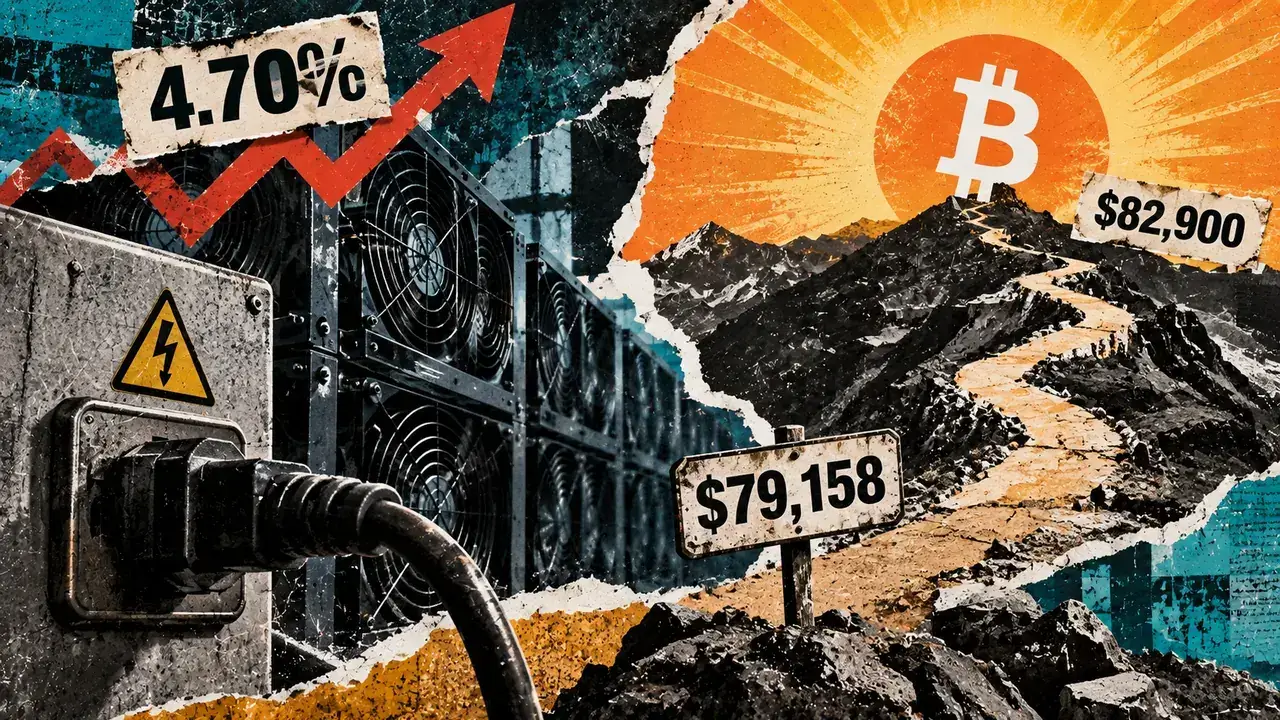
Bitcoin needs to reach $82,900 to outrun a looming miner margin squeeze
Bitcoin’s August price recovery coincided with a sharp improvement in mining revenue, but the network is preparing to reclaim part...