Food fraud costs $50B yearly — Can blockchain stop it?
Blockchain has already played a role in protecting consumers against food fraud, but there are lessons to be learned before it starts to truly pay off.
Archive context
Older archive item. Useful for background and entity history, but not a fresh market-moving signal.
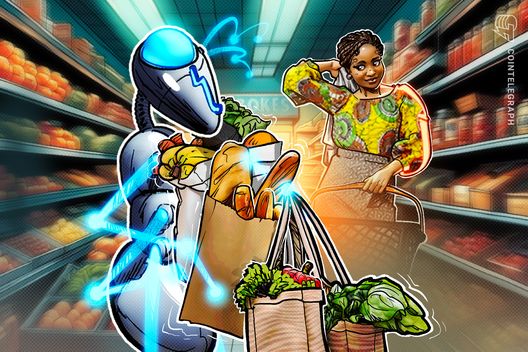
Blockchain has already played a role in protecting consumers against food fraud, but there are lessons to be learned before it starts to truly pay off.
Why this matters
This blockchain story adds another data point to the current market tape and is useful when read alongside nearby source coverage.
Original source
Read on CointelegraphRelated market context

Revolut Crypto Data Leak Exposes Bitcoin Records, Attackers Demand Payment to Stop More
Key Takeaways: Hackers have reportedly begun to share personal data on the affected customers and ask for money to prevent more le...

The biggest vulnerability in your Bitcoin wallet might be the shipping label
Hardware wallets might be able to protect your keys, but the paperwork from buying them could expose your identity. To buy a hardw...
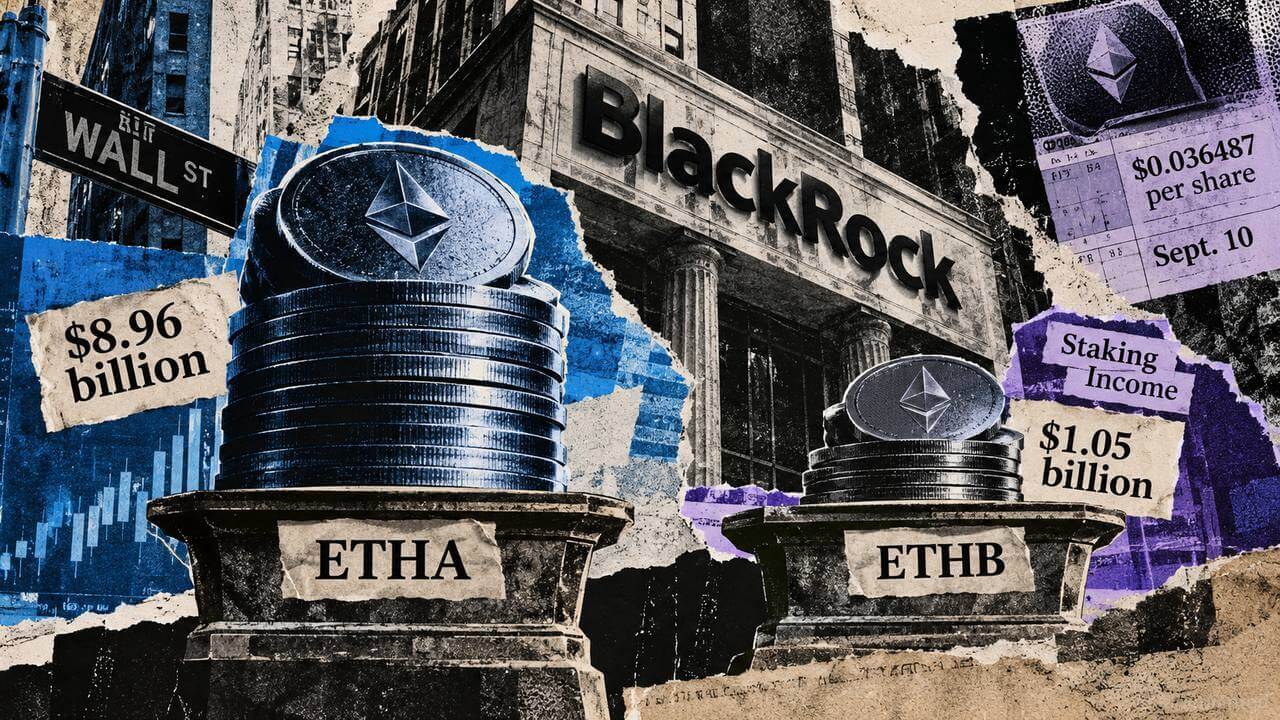
BlackRock’s staking Ethereum ETF pays yield but investors still prefer its $9 billion ETHA fund
Staking was supposed to strengthen Ethereum exchange-traded funds (ETFs), but BlackRock’s early results show investors still favor...

Ethereum Price Prediction: Supply Shock Could Send ETH Above $3,000
Ethereum trades at just above $2,500, but the flat 24-hour print masks a more interesting story underneath that could flip its pri...

Revolut Exposes Bitcoin Records, Passports After Fraudulent Government Email Attack
Key Takeaways: Revolut had to share sensitive data about its users after receiving a phishing request that looked legitimate from...

Ethereum (ETH) Price Prediction: ETH Holds Around $2,500 as Falling OI Raises Risk of a Range-Low Retest at $2,200
Ethereum’s latest recovery has returned price above $2,500, but the broader setup remains vulnerable as price trades near resistan...