Holding $17.8B, US Government Now One of the Largest Crypto Whales
Key Takeaways: The U.S. government now holds $17.8 billion in crypto, making it one of the largest crypto holders in the world. Institutional accumulation is accelerating, signaling a shift toward state-level and corpora...
Archive context
Older archive item. Useful for background and entity history, but not a fresh market-moving signal.
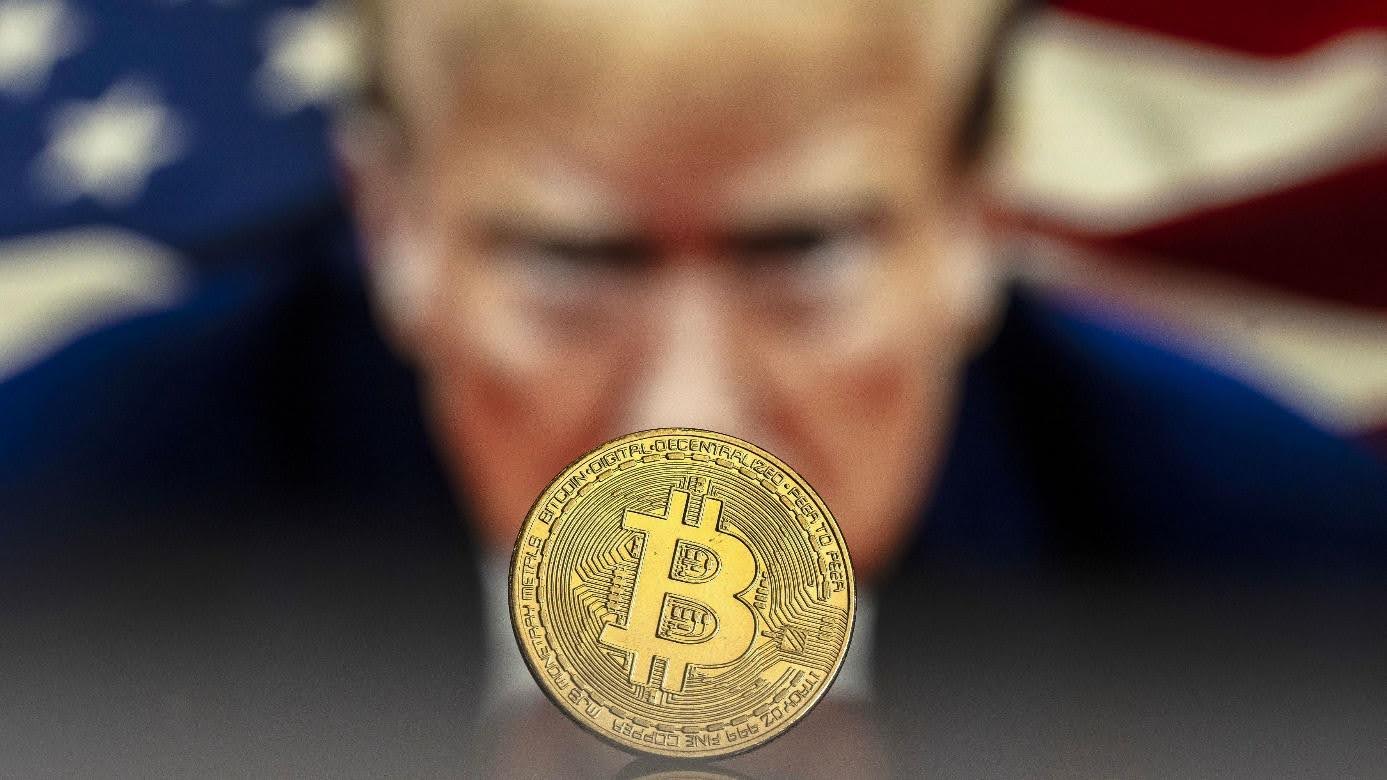
Key Takeaways:
- The U.S. government now holds $17.8 billion in crypto, making it one of the largest crypto holders in the world.
- Institutional accumulation is accelerating, signaling a shift toward state-level and corporate digital-asset strategies.
- Market analysts warn that government-controlled crypto wallets could influence liquidity, price stability, and future regulatory direction.
According to Arkham Intelligence, the U.S. government contains estimated digital assets worth $17.8 billion. The increasing popularity of government-owned wallets changes the way investors perceive risk, liquidity, and long-term adoption patterns as institutions, hedge funds, and key asset managers start to accumulate Bitcoin and altcoin in large amounts.
Government-Controlled Crypto Reserves and Market InfluenceThe U.S. has been seizing cryptocurrencies for more than a decade. With holdings reaching $17.8B, the U.S. Treasury effectively controls more crypto than most publicly traded companies and even some mid-size crypto exchanges.
This stockpile places the U.S. in a unique position. Unlike private institutions, the government does not trade for profit. Instead, assets are liquidated according to legal and administrative procedures, which often occur in large, irregular batches. These events draw attention because they can temporarily shake market liquidity.
While federal agencies have no mandate to speculate or actively move markets, their large-scale transfers to exchanges or auction partners are closely monitored by on-chain analysts. Any sudden movement from known government wallets frequently triggers market reactions, particularly in Bitcoin, where liquidity events above $100 million can influence short-term volatility.
Other commentators note that the government holdings are indirectly one of the reasons to argue that crypto has become an inevitable asset category. Ten years ago, it was impossible to consider a state with billions of digital tokens. Today, it emphasizes the growing importance of crypto in the law enforcement system, asset recovery, and financial systems.
Read More: US$ 101 Million Drop-Buy: El Salvador Snaps Up 1,098 Bitcoin at Market Dip
Growing Corporate Demand and Competitive PositioningWith U.S. holdings taking up headlines, conventional financial institutions are expanding their involvement in digital assets. Bitcoin is no longer a speculative experiment by hedge funds, pension managers, and publicly traded companies.
Interchange-traded products, particularly U.S. spot Bitcoin ETFs are still generating inflows that would have been unimaginable a few years ago. The entry of companies such as BlackRock and Fidelity has made the ownership of crypto at the corporate level standard, eliminating the stigma attached to digital assets not long ago.
The fact that the U.S. government has a large stash highlights a bigger point: crypto has ceased to be a domain of retail buyers and early adopters. The role of government agencies, global banks and multinational corporations has become significant in the market structure.
The mixture of government holdings and institutional inflows would allow weakening dominance of whales (early Bitcoin miners and long-term HODLers) which institutional analysts say would happen. Due to the increasing share of ownership among diversified entities, the market concentration is slowly altered.
How Government Holdings Affect Liquidity, Regulation, and Investor BehaviorCryptocurrency controlled by governments does not act like a privately held capital. The agencies will seldom move assets unless they need it to conduct a legal proceedings or liquidation. It implies that massive quantities of Bitcoin and other tokens are literally frozen over extended periods, decreasing circulatory supply.
Fewer coins placed on open markets in the case of Bitcoin have a potential to increase the effect of institutional purchases. Even minor accumulation by ETFs or corporate treasuries can do so with demand increasing and supply constrained, than was the case in earlier cycles.
Read More: Japan to Reclassify Crypto and Offer Major Tax Relief – Big Shift for Digital Assets
The direct involvement of the government in crypto in terms of seizures, custody, and liquidation provides the federal agencies with more insight into how blockchain infrastructure operates. This has implications on emerging regulatory approaches, particularly those related to compliance, transparenting on-chain processes and asset custody principles.
There are market strategists who believe that the vast crypto reserves of the U.S. can eventually make the regulatory mindset more relaxed. Although enforcement is still very strict, it is now the interest of agencies to ensure that they protect the value of assets in their control. The sudden regulatory shocks that sweep away the market value may decrease the recovery proceeds of the government to the government itself and may create an unusual incentive congruity among the regulators and investors.
The post Holding $17.8B, US Government Now One of the Largest Crypto Whales appeared first on CryptoNinjas.
Why this matters
This blockchain story adds another data point to the current market tape and is useful when read alongside nearby source coverage.
Original source
Read on CryptoNinjasRelated market context

Fidelity Digital Assets finds Bitcoin now moving with US Treasury real rates
Bitcoin's correlation with US Treasury real rates suggests a shift in investor sentiment, potentially altering traditional portfol...

Ripple Prime launches 24/7 perpetual swaps on traditional assets for institutions
Ripple Prime's 24/7 perpetual swaps could revolutionize institutional trading by enhancing liquidity access and risk management be...

Citigroup projects tokenized assets could reach $5.5T by 2030
The shift to tokenized assets could redefine financial markets, enhancing liquidity and accessibility while reshaping investment s...

Multiliquid raises $8 million to expand liquidity in $40 billion tokenized asset market
Multiliquid's funding could enhance liquidity in tokenized markets, potentially accelerating institutional adoption and transformi...

Binance Tokenized Stocks Cross $1 Billion in Assets Under Management
Binance’s tokenized U.S. securities offering surpassed $1 billion in assets under management (AUM) in roughly four months, making...

US Hoovers up Bitcoin While the World Runs on Its Digital Dollars: Report
Bitcoin Magazine US Hoovers up Bitcoin While the World Runs on Its Digital Dollars: Report America is accumulating bitcoin while e...