How Blockchain is Finally Getting Africa on the Grid
Parents lining up to pay school fees in cash, lenders charging extortionate rates, and cash savings held under mattresses—these are some of the things residents in Africa have had to resort to due to financial technology...
Archive context
Older archive item. Useful for background and entity history, but not a fresh market-moving signal.

Parents lining up to pay school fees in cash, lenders charging extortionate rates, and cash savings held under mattresses—these are some of the things residents in Africa have had to resort to due to financial technology not having yet fully expanded in the developing continent.
According to Statista, only 48 percent of the African population has access to banking services in 2022. Accounts being the first point of entry into the formal financial system puts its citizens at an enormous setback as they are forced to turn to transactions that are not only inconvenient and wasteful but often risky too.
Having access to a financial account instead of just cash allows users to take control of their finances by offering ways to manage money. By utilizing accounts instead of cash, both governments and businesses can help bring tens of millions of adults into the digitized financial system.
According to a report from the World Bank, digitizing payments for agricultural goods alone would cut the number of unbanked goods by approximately 125 million, including 16 million in Nigeria. In Kenya, Tanzania, and Uganda, over 10% of adults still receive agricultural payments.
A policy note on mobile money from the Global Findex team found huge financial potential for Sub-Saharan Africa. Specifically, it found that regionally, 350 million adults lack an account but 155 million said they have their own mobile phone, while 200 million said they have access to one at home. Most are located in West Africa, where mobile money has yet to take off, but 40 million live in East Africa, which has one of the world’s highest mobile money account ownership rates.
Banking the Unbanked
In addition to African citizens’ limited access to their financial crisis, an estimated 494 million people in sub-Saharan Africa have no form of legal identification. This lack of connectivity not only means that the unconnected are unable to communicate with anyone outside of their vicinity, but it also contributes to poor healthcare, a low standard of education, and poverty in general.
In response, officials in the continent are starting to turn to a particular digital technology with transformative potential—the blockchain. By harnessing the power of the decentralized blockchains, the metaverse can give African citizens access to both finances and identifications through biometric digital identification (ID) systems. One company in particular, which believes that access to the internet is a human right, World Mobile, is doing exactly this.
Taking inspiration from pioneers throughout history, the company’s core mission is to lead a global movement toward digital inclusion. It plans on accomplishing this by deploying a dynamic hybrid mobile network consisting of aerial and ground assets, to connect the unconnected and bank the unbanked.
“Half the world is still unconnected. The world of telecommunications needs rebooting. Traditional networks with legacy systems and archaic business models are doing nothing to tackle the problem,” the company states on its website.
The Future of Mobile Networks
Currently rolling out its technology across Africa and the world, World Mobile’s hybrid network strives to connect those that traditional networks have left offline. “With access to the internet, subscribers will gain a self-sovereign identity and all of the opportunities that connectivity offers, from digital currencies to education and more” the company states.
Not only will subscribers in Africa have access to the internet, but it will also be affordable, fair, and sustainable. Its self-governed and decentralized technology will allow users to connect without jeopardizing their privacy. Subscribers can own their own data and have their own identity so they can access services they were previously excluded from like banking, insurance, borrowing, and saving.
In 2022, Africa is still drastically behind the developing world in its access to financial technology. Thanks to the emergence of blockchain technology, companies like World Mobile are pioneering platforms that are liberating African citizens’ access to financial technology through access to affordable, fair, and sustainable services. It won’t be long before the developing continent joins the rest of the world on the path to financial freedom.
Why this matters
This blockchain story adds another data point to the current market tape and is useful when read alongside nearby source coverage.
Original source
Read on NewsBTCRelated market context

X expands cashtags with trading access through Coinbase, Kraken and Interactive Brokers
X's integration of trading access with financial discussions could streamline investment decisions, potentially increasing user en...
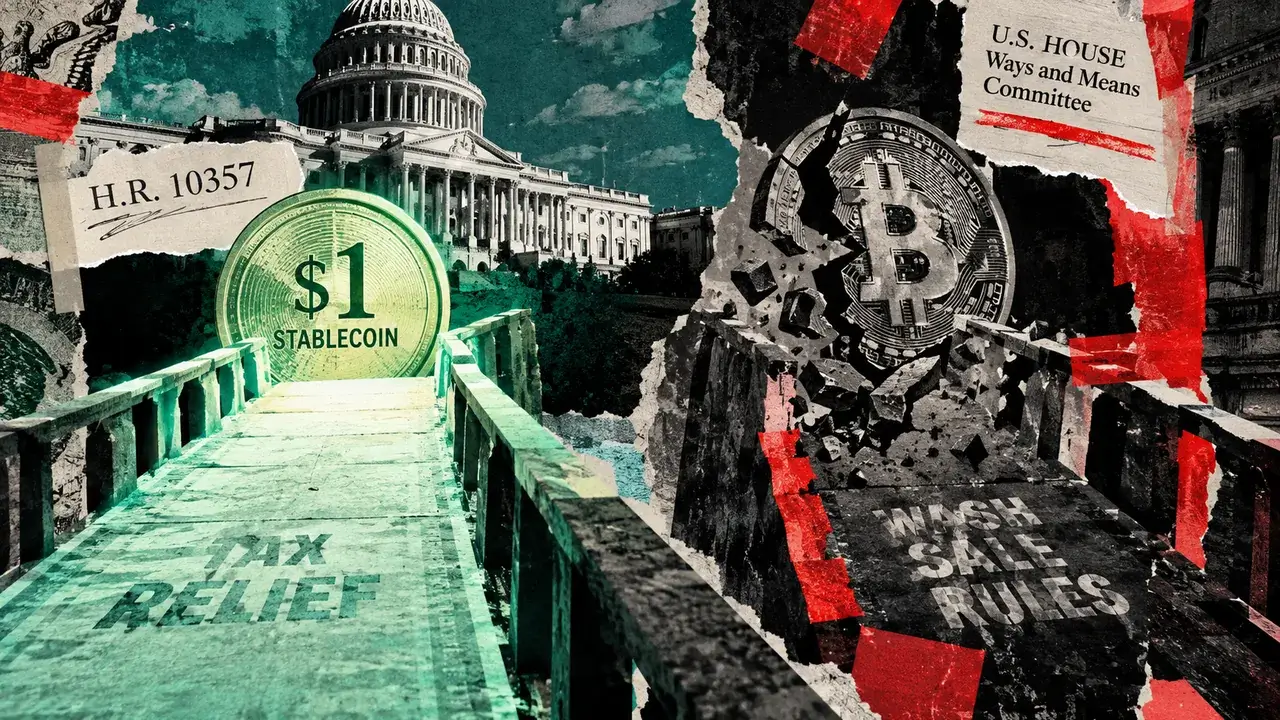
Congress wants to make crypto easier to use and still collect $500 million more in taxes
A House crypto tax overhaul would raise an estimated $500 million while easing taxes on stablecoin payments and small fees. The Ho...

MEXC Releases July–August Security Report: Over 38 Million USDT in Risk-Related Funds Intercepted, Futures Insurance Fund Reaches 792 Million USDT
Mutsamudu, Comoros, September 16, 2026 – MEXC, a pioneer in 0-fee digital asset trading, has released its July–August 2026 securit...
A $100 million launch balance doesn’t mean a crypto ETF has real investors
A crypto ETF can arrive with substantial assets before public trading reveals much about outside investor demand. That makes a ris...
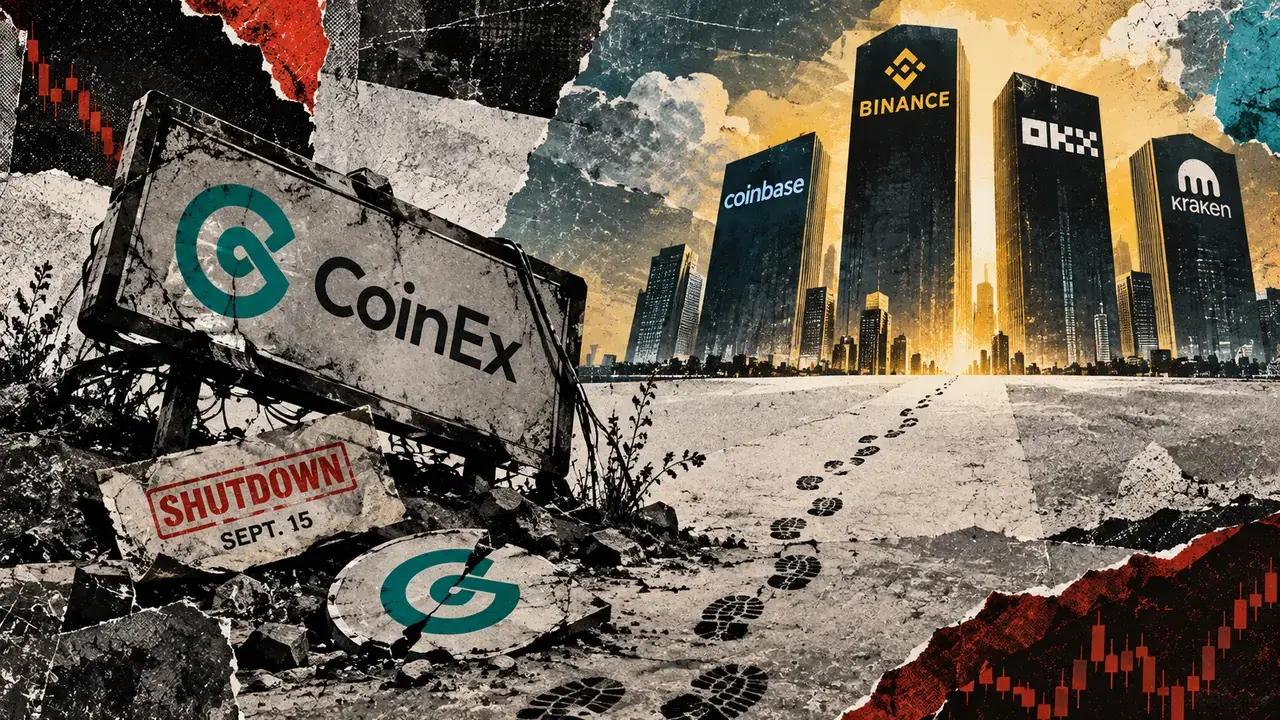
CoinEx quits after 9 years as crypto trading activity concentrates at biggest exchanges
Crypto exchange CoinEx is shutting down after nine years, citing shrinking revenue and rising compliance costs as the reasons the...

A Bot Robbed the Hacker Who Drained $7.8 Million in rsETH From a Safe Wallet
An attacker drained about $7.8 million in rsETH from an Ethereum Safe wallet early Tuesday, then lost the payout to a bot that was...