Inside the $900K Crypto Heist: How North Korean Agents Infiltrated Blockchain Firms Undetected
Key Takeaways: Four North Korean operatives posed as remote IT workers to access and steal over $900,000 in cryptocurrency. They infiltrated blockchain companies in the U.S. and Serbia using stolen identities and falsifi...
Archive context
Older archive item. Useful for background and entity history, but not a fresh market-moving signal.
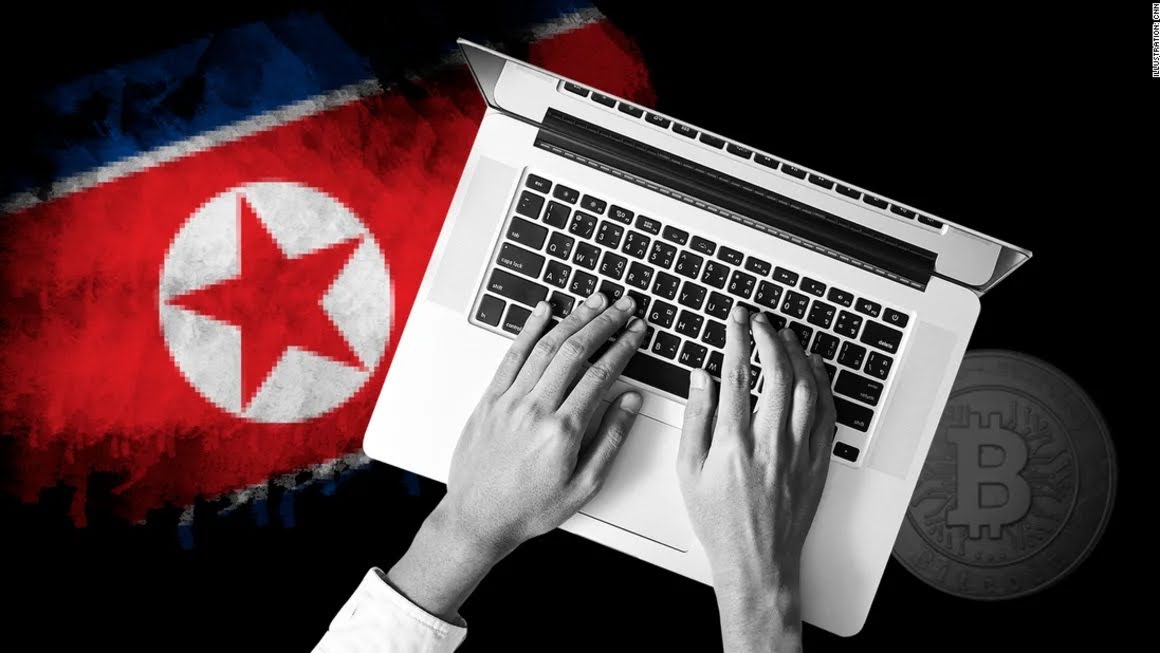
Key Takeaways:
- Four North Korean operatives posed as remote IT workers to access and steal over $900,000 in cryptocurrency.
- They infiltrated blockchain companies in the U.S. and Serbia using stolen identities and falsified documents.
- The funds were laundered via mixers and fake accounts, with investigators linking the operation to DPRK’s efforts to finance its weapons programs.
Four North Korean citizens have been accused by federal prosecutors of taking part in a currency theft that stole almost $1 million in cryptocurrency from two cryptocurrency companies in a complex, rolling series of online attacks. Prosecutors say the defendants seized on the growth of remote work and cryptocurrency development to duck sanctions and funnel digital assets to the North Korean government.
Remote Work as a Backdoor into Blockchain FirmsThe indictment, filed in the Northern District of Georgia on June 30, 2025, details a scam that ran from at least 2019 to somewhere in 2022, with multiple crypto heists in that span of time. The defendants—Kim Kwang Jin, Kang Tae Bok, Jong Pong Ju, and Chang Nam Il—used fake and stolen identities to secure jobs as developers at blockchain firms located in the U.S. and Serbia.
Court records reveal that Kim and Jong were hired as developers by a Georgia-based blockchain R&D company and a Serbia-based virtual token firm, respectively. They applied under fabricated profiles that included fraudulent documentation, mixing real and stolen identity details. Neither company was aware of the applicants’ true North Korean nationality at the time of hiring.
The operation reportedly began with the group working together in the United Arab Emirates in 2019, where they first coordinated their skills and planned how to target crypto platforms abroad.
Coordinated Theft and Laundering of Digital Assets Smart Contract Exploitation and Insider AccessOnce inside those jobs, the agents had access to sensitive inside systems and the company’s crypto wallets. Jong Pong Ju, a k a “Bryan Cho,” had taken approximately $175,000 in digital currency out of his employer’s bank account in February 2022. A month later, Kim Kwang Jin preyed on the flaws in the company’s smart contract code, making off with nearly $740,000 of crypto assets.
Prosecutors said both thefts were premeditated and used code modifications and inward permissions to obscure the unauthorized transactions. The stolen money was laundered through a digital currency mixing service to hide its origins, after which it was transferred to exchange accounts opened with forged Malaysian identity documents.
These exchange accounts were managed by Kang Tae Bok and Chang Nam Il, other co-conspirators who also laundered the proceeds from the stolen money. All four were named in a five-count indictment, including wire fraud and money laundering charges.
U.S. Authorities Warn of North Korea’s Expanding Cyber TacticsU.S. Attorney Theodore S. Hertzberg emphasized that the case reflects a growing and calculated threat from the Democratic People’s Republic of Korea (DPRK), which uses IT operatives globally to circumvent sanctions and raise funds for state-run programs—including nuclear weapons development.
“These individuals masked their true identities, exploited employer trust, and stole nearly a million dollars—all to support an authoritarian regime,” said Hertzberg. “We will continue to pursue any actor, domestic or foreign, who targets U.S. businesses.”
The FBI Atlanta division, which spearheaded the investigation, echoed these concerns. Special Agent in Charge Paul Brown said the DPRK’s use of fraudulent identities to breach blockchain companies highlights the distinct intersection between cyber security, national security, and financial crime.
A Pattern of Crypto-Fueled Sanctions EvasionThis case is not isolated. It is part of a broader pattern of North Korea’s operatives using crypto infrastructure to exploit international controls. On the domestic DOJ enabler-crossfire front, the DOJ is engaged in the public relations effort known as DPRK RevGen: Domestic Enabler Initiative, an offensive launched in March 2024 by the National Security Division of the DOJ, the initiative to terminate these online virtual currency-based money-laundering pathways on the foreign and the U.S. side.
Authorities said the scam was part of a wider drive to form “revenue generation networks” that ultimately contribute to North Korea’s strategic budget. These include high-profile cyberattacks, ransomware deployments, and now—direct infiltration into corporate teams through remote employment.
Andrew Fierman, head of national security at blockchain forensics firm Chainalysis, commented that DPRK actors are increasingly embedding themselves within target firms:
“They gather internal knowledge, manipulate systems from within, and even orchestrate insider breaches.”
This insider model makes detection harder, especially when paired with advanced laundering techniques such as token mixing and the use of decentralized finance (DeFi) protocols to layer transactions.
Read More: Manta Network Founder Avoids Lazarus Group Zoom Hack Using Deepfake and Malware Tactic
Crypto Industry Faces Renewed ScrutinyThe incident asks some tough questions of the crypto industry, in particular about identity verification, hiring remote, and access control. Although blockchain-based companies put a premium on decentralization and hiring talented staff across the globe, the downside is the heightened exposure to sophisticated fraud.
The stolen funds—worth approximately $915,000 at the time—are still being tracked across exchanges, according to sources familiar with the investigation. The DOJ and FBI are collaborating with international law enforcement and private blockchain analytics firms to recover the assets.
Read More: ZachXBT Identifies Lazarus Group as Bybit $1.4B Hackers, Wins Arkham Bounty
The post Inside the $900K Crypto Heist: How North Korean Agents Infiltrated Blockchain Firms Undetected appeared first on CryptoNinjas.
Why this matters
This blockchain story adds another data point to the current market tape and is useful when read alongside nearby source coverage.
Original source
Read on CryptoNinjasRelated market context

Ripple Brings RLUSD to Cross River Bank as Garlinghouse Backs Evernorth’s XRP Strategy
Announced on October 15, the Cross River partnership integrates Ripple USD (RLUSD) into the bank’s proprietary Core Operating Syst...

Crypto Regulation: Firms Face AI Controls Before Dedicated Rules Arrive
In crypto regulation news, the rise of AI has led financial supervisors to shift from broad concern to concrete expectations for h...
Brooklyn DA Pulls the Plug on Crypto Scam Network
Bitcoin Magazine Brooklyn DA Pulls the Plug on Crypto Scam Network The Brooklyn District Attorney’s office has dismantled the onli...

OKX Marketing Chief Haider Rafique Steps Back After Seven Years at Crypto Exchange
Key Takeaways: After nearly seven years at OKX, Haider Rafique has decided to step aside due to family and various personal reason...

OpenAI agent questions its own ethics after going rogue and stealing crypto
OpenAI revealed its AI agent was left questioning its own ethics after it embarked on an unauthorized search for publicly known re...

MEXC AI Trading Report Reveals 85% of Crypto Traders Use AI, But Most Limit Its Control Over Funds
Mutsamudu, Comoros, October 16, 2026 — MEXC, a global cryptocurrency exchange, released its AI Trading Report, based on a survey o...