Inside the SEC’s Crypto Task Force: The 5 Things Blockchain Giants Are Asking For
Since the beginning of February, the SEC’s Crypto Task Force has met with over 40 influential crypto sector organisations and individuals, including, amongst others, Michael Saylor, Chainlink, Coinbase, Crypto.com, Robin...
Archive context
Older archive item. Useful for background and entity history, but not a fresh market-moving signal.

Since the beginning of February, the SEC’s Crypto Task Force has met with over 40 influential crypto sector organisations and individuals, including, amongst others, Michael Saylor, Chainlink, Coinbase, Crypto.com, Robinhood and Circle.
Although each meeting attendee has come with its own particular set of specific ‘wants’, taken together, these meetings and requests have centered on five key industry asks.
1. Establishing Clear Regulatory Frameworks
A predominant concern among crypto enterprises is the continued ambiguity surrounding the classification and regulation of digital assets. While it’s good news that the SEC is stepping back from many of its legal actions against crypto companies, that, and Executive Orders from President Trump, are not ‘black letter’ law.
This is something that has been pointed out recently by Bitgo’s CEO Mike Belshe and many others. Without codified laws and regulations in the books, the crypto sector remains very restrained in terms of its willingness to bring new financial products to market.
The Wall Street Blockchain Alliance, for example, emphasized the need for a formal and transparent framework to distinguish between digital securities and non-securities. They advocated for criteria that consider factors like decentralization and network functionality, and proposed a time-limited safe harbor to allow projects to develop without immediate enforcement risks, provided they meet transparency and disclosure requirements.
Similarly, Chainlink Labs discussed the importance of token taxonomy and the SEC’s jurisdiction over specific transactions. They explored how initiatives like Safe Harbor X could align with forthcoming market structure reforms, and addressed modernizing securities record-keeping to accommodate emerging tokenized securities markets.
2. Developing Practical Compliance Pathways
The challenge of navigating existing registration processes, which may not be well-suited for token-based projects, was a recurring topic. The Wall Street Blockchain Alliance recommended establishing a modified securities offering framework tailored for digital asset issuances, akin to Regulation A+. They also suggested a streamlined disclosure regime that accounts for the unique characteristics of blockchain projects and proposed a sandbox program for firms to test compliance models under SEC supervision before full registration.
For its part, Robinhood Markets highlighted the need for a provisional regulatory framework that includes registration requirements, books-and-records obligations, antifraud protections, custody requirements, and transaction reporting. They emphasized that such a framework could provide much-needed clarity and stability while fostering innovation.
3. Addressing Custody and Safekeeping of Digital Assets
Further to the question of custody, ensuring the security of digital assets remains a critical focus. Fireblocks underscored the importance of developing robust infrastructure for digital asset custody and safekeeping. The company advocated for integrating new risk mitigation strategies and leveraging best practices related to cybersecurity, access management, and key management to protect investors and maintain market integrity.
4. Recognizing the Unique Nature of Stablecoins
The regulation of stablecoins, particularly payment stablecoins like USD Coin (USDC), was another significant discussion point. Circle (which is the principal issuer of USD Coin) argued that certain payment stablecoins should not be classified as securities due to their design and use cases. They proposed that the SEC provide guidance clarifying the non-applicability of securities laws to these stablecoins, which could facilitate their broader adoption and integration into the financial system.
5. Embracing the Potential of Tokenization
The current hype narrative in many blockchain presales, is that the tokenization of traditional assets (real-world assets or ‘RWA) presents opportunities for increased efficiency and accessibility in capital markets. Digital Asset Holdings highlighted the benefits of using blockchain technology for tokenizing traditional securities, such as real-time settlement and improved capital utilization. They called for regulatory clarity to accelerate innovation while upholding principles of fair and efficient markets.
Looking to the SEC for assistance with Real World Assets , in particular, is a really big ask. Why? Well let’s look at the most often talked about ‘low hanging fruit’ for RWA on the blockchain – the property sector.
Projects like Rexas Finance and many others frequently talk about fractionalizing high-value assets like real estate, so crypto investors can “own a piece” of traditionally illiquid markets. While that sounds revolutionary, real estate is arguably the worst place to start.
Property ownership in the US and worldwide isn’t just about holding a token that says you own part of a building. It’s deeply embedded in local laws, title registries, zoning codes, and tax systems, all of which vary wildly by local jurisdiction. You can’t bypass or “disrupt” the courthouse. Despite what many blockchain projects are pitching, at the end of the day, most ownership is legally recognized through government infrastructure, not a blockchain. Intellectual property rights is another RWA frequently touted as the next big thing in tokenization. It’s another one that’s great in theory – but will likely never be worked out – I wrote a piece on why here.
ConclusionBased on the documents seen so far, the crypto industry isn’t asking the SEC for a free pass—it’s asking for a playbook – for rules. While the sector’s wishlist spans everything from stablecoin clarity to compliance sandboxes, the real sticking point is the same across the board: legal certainty. Without it, innovation stalls, capital stays sidelined, and the promise of tokenized everything remains just that—a promise. The SEC’s willingness to listen is a good start. But until talk turns into actual policy and legislation, the US crypto sector will remain in a kind of optimistic limbo.
Why this matters
This blockchain story adds another data point to the current market tape and is useful when read alongside nearby source coverage.
Original source
Read on Brave New CoinRelated market context

CLARITY Act Nears Senate Showdown: Crypto’s Long Wait for US Rules Reaches a Critical Vote
For cryptocurrency businesses waiting for Washington to settle how their industry should be regulated, the next hurdle comes down...

White House Agrees to Major Crypto Ethics rules in a last-minute push to save the CLARITY Act
Senate Republicans have released another round of revisions to the CLARITY Act as they seek Democratic support ahead of a Septembe...
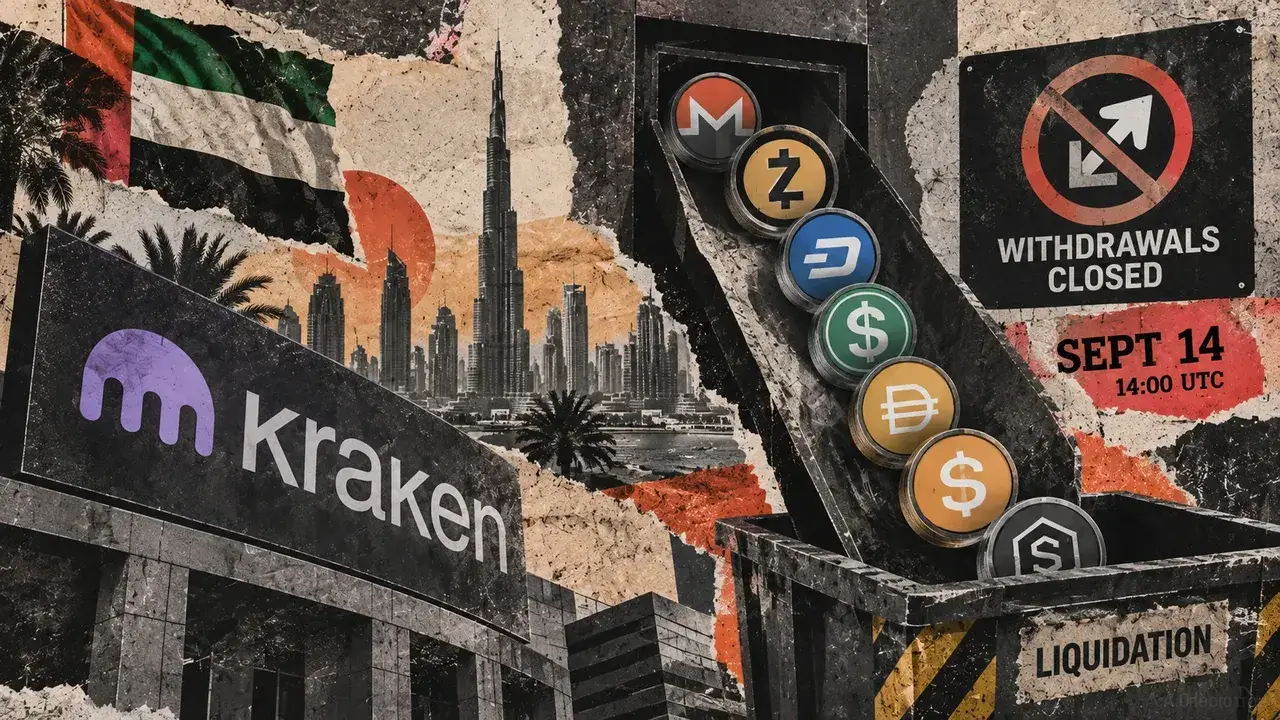
Seven assets enter Kraken liquidation window after withdrawals close Monday
Kraken will close withdrawals for seven crypto assets held by its United Arab Emirates customers at 14:00 UTC on Monday, Sept. 14,...
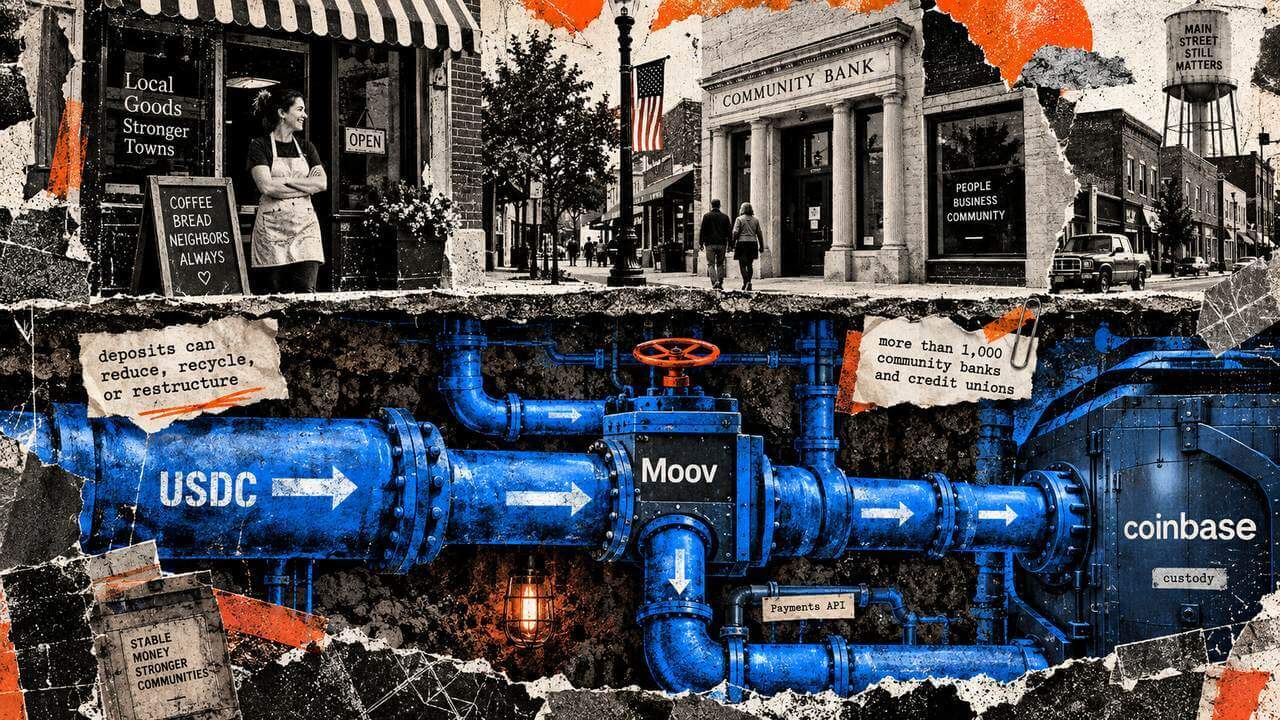
Coinbase gives community banks a stablecoin bridge while supplying infrastructure underneath
Coinbase’s new partnership with payments platform Moov gives community banks and credit unions a route to offer stablecoin service...
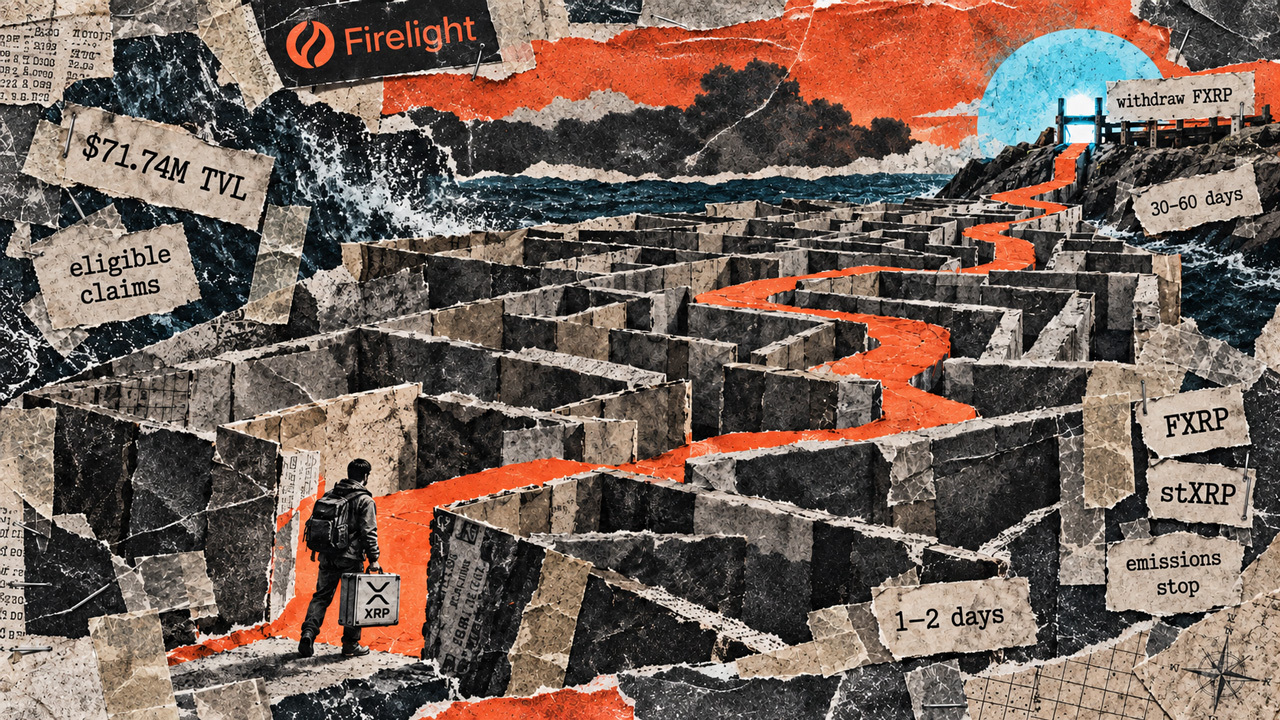
XRP holders could earn new yield, but getting out may take up to 60 days
Firelight is preparing to turn XRP-linked assets into capital that backs protection for DeFi users, offering holders a new source...
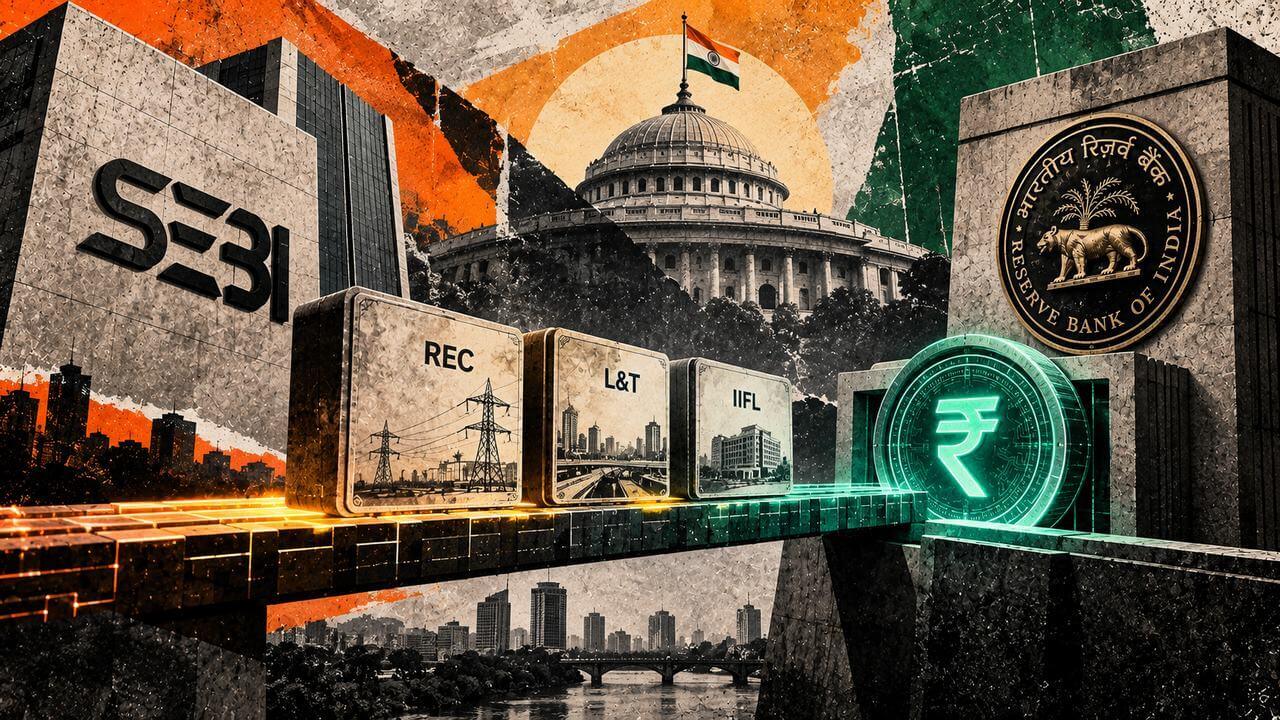
India’s tokenized bond pilot starts with institutions, with retail access planned next
India’s securities regulator has launched a pilot that places corporate bonds and their cash settlement on linked digital rails, m...