Malicious Uniswap v4 hooks are baiting DeFi traders with fake swap quotes
Liquidity aggregator 0x said on Sept. 14 that it had seen an alarming increase in malicious Uniswap v4 hooks over recent weeks, designed to quote one price and settle at another. In the most extreme trades it observed, u...
Archive context
Older archive item. Useful for background and entity history, but not a fresh market-moving signal.
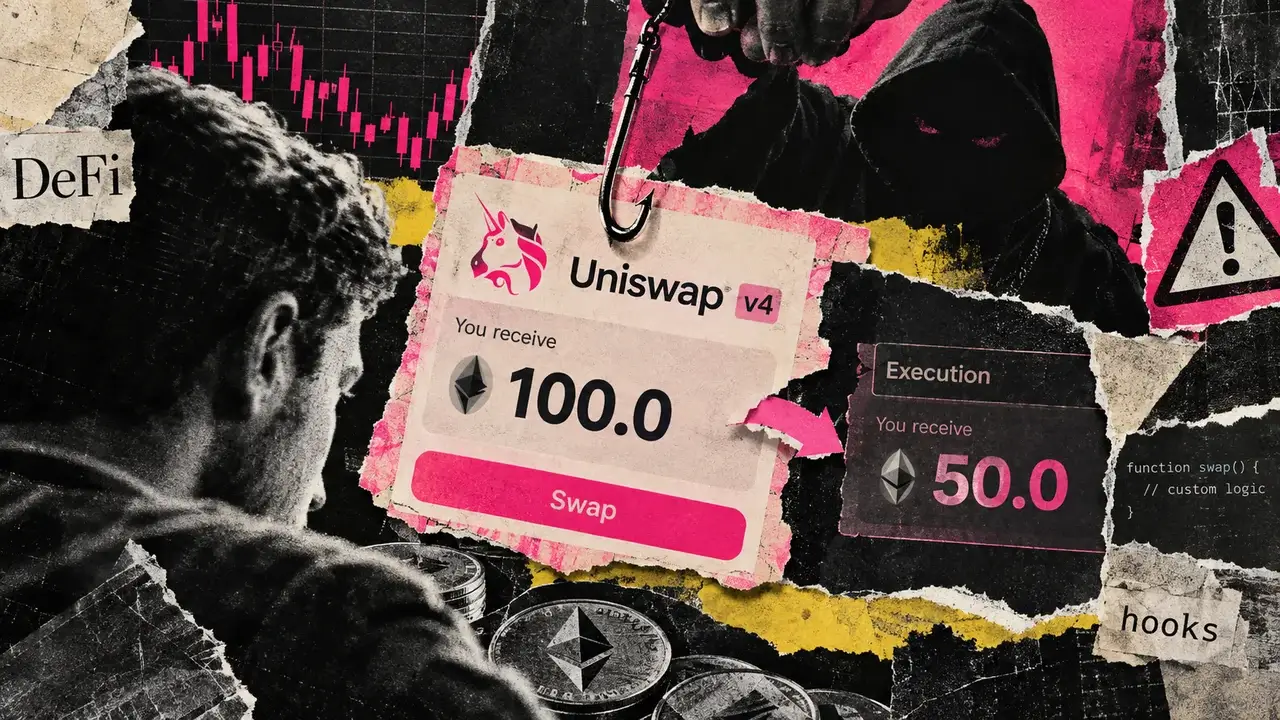
Liquidity aggregator 0x said on Sept. 14 that it had seen an alarming increase in malicious Uniswap v4 hooks over recent weeks, designed to quote one price and settle at another.
In the most extreme trades it observed, users received as much as 50% less at execution than the amount displayed in the quote.
An aggregator searches many pools, estimates their output, and typically favors the route promising the most tokens. A malicious pool can win the order by looking unusually attractive during that comparison.
Uniswap v4 hooks show when the best quote becomes the attack surfaceIn its analysis of Uniswap v4 hooks, 0x said it examined 84,163 hooks across six chains using static analysis, dynamic analysis, and settled-trade observations. In the dataset, labeled as of Sept. 11, 0x classified 19.4% as safe, 54.2% as malicious, and 26.4% as likely malicious.
The report separately said 0x had observed malicious routes deliver up to half less than quoted, a maximum shortfall rather than a typical outcome.
One Base hook trading the ETH/NVDAc showed 6,516 fills, including 3,946 charged fills. Fees ranged from 0% to 18%, with an 18% median when charged, and the hook collected $143,037 in total fees as of Sept. 11.
Uniswap v4 hooks are optional external contracts that can run around key pool actions. Uniswap's developer documentation says hooks can execute before or after a swap, while selected permissions can adjust balance deltas.
This flexibility also enables legitimate features such as dynamic fees and custom accounting. Uniswap warns users that independent third parties write hooks and that the code may be malicious or cause unintended consequences.
Permissionless code can enter a price competition whose output looks objective to the person approving the trade.
Imagine Wallet A offers 100 tokens and Wallet B offers 98, so Wallet A wins the screen comparison. If its selected pool recognizes the quote request and later settles for 80, Wallet B's apparently worse offer was the better trade.
Infographic illustrates how a malicious liquidity hook can turn the best displayed swap quote into worse execution, while route screening changes the outcome.In July, routing infrastructure provider Enso documented what it called toxic pools, including a Polygon Uniswap v4 hook that used execution-environment signals and an Ethereum Curve pool whose oracle behavior changed under simulation-like conditions.
A March 0x study found a related pattern in proprietary liquidity. Its Base propAMM analysis said one market maker beat a reference AMM in 100% of sampled quote-time observations but settled consistently worse, typically by 5 to 10 basis points, or 0.05% to 0.10%.
0x said it cuts off liquidity sources until execution issues are fixed, even when its displayed quotes then appear less competitive.
ClearTrace's Sept. 8 scorecard found zero or small median quote gaps for several sampled aggregators in Ethereum fork simulations. The test covered simulated quote accuracy rather than 0x's hook set, suggesting the abuse is venue-specific evidence instead of proof that swap routing is broadly dishonest.
Permissionless underneath, curated on topRouters must decide which pools to simulate, which execution patterns to monitor, and when an apparently attractive source deserves exclusion. Wallets that rely on those routers inherit the result, usually without showing users which liquidity was excluded.
Some systems are moving more of the comparison toward settlement. KyberSwap said its Smart Settlement prepares multiple candidate pools for a swap hop, compares them on-chain at execution, and atomically selects the candidate offering the highest output.
0x said it routed 81.92 million trades and $42.67 billion in volume during 2026 through Sept. 14, with roughly 70% of transactions touching Uniswap liquidity. At that scale, a blocklist or vetting decision can shape which markets users can reach and what price they see.
Protocol-level access stays open, while application-level access becomes more curated as wallets and routers filter the liquidity behind their interfaces. A service that rejects adversarial pools may look more expensive even when it produces the better outcome.
If malicious liquidity keeps adapting to quote engines, one headline number will describe less of the trade. Route quality, vetted-liquidity status, and the expected gap between quote and settlement could become part of what a wallet needs to show when it promises the “best price.”
The post Malicious Uniswap v4 hooks are baiting DeFi traders with fake swap quotes appeared first on CryptoSlate.
Why this matters
Uniswap is showing up inside the DeFi theme, so this story is worth tracking for follow-through rather than treating it as a one-off headline.
Original source
Read on CryptoSlateRelated market context

Cardano just added the kind of token controls Wall Street wants and DeFi may hate
Cardano’s proposed programmable-token standard could let a freeze on one asset temporarily block unrelated tokens held in the same...
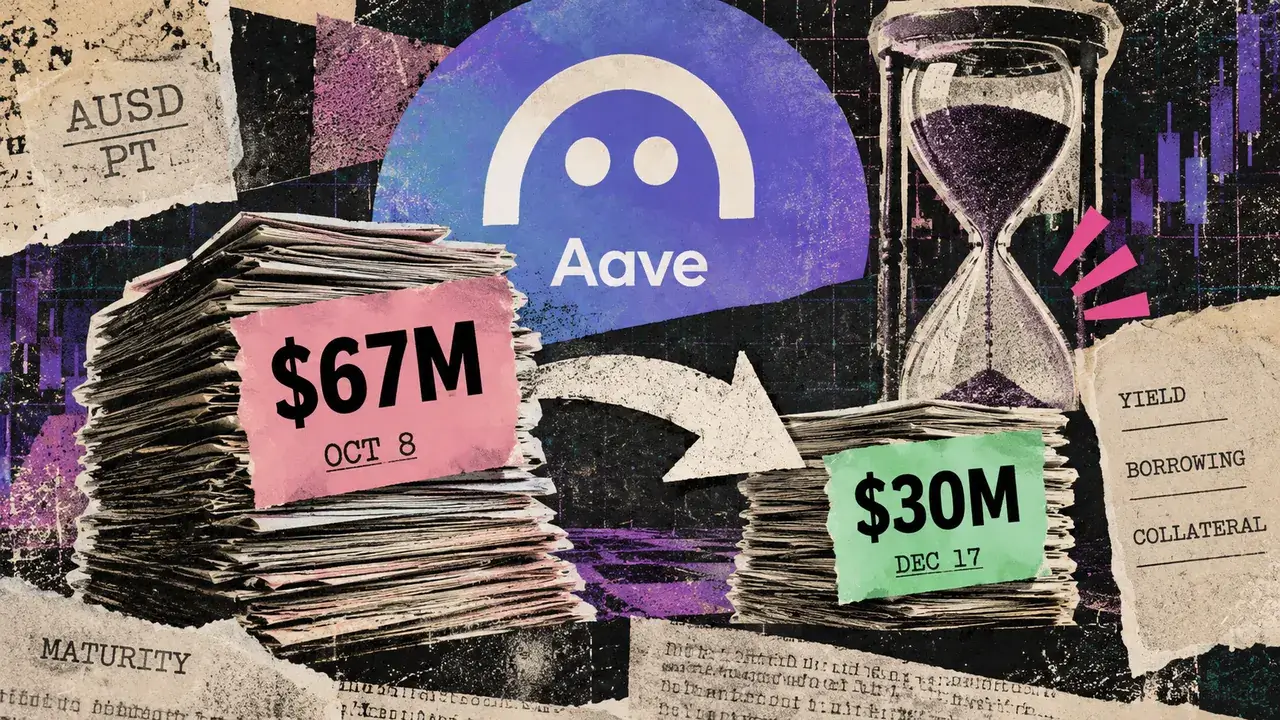
Aave and Pendle may have found a way to keep yield capital from ever leaving DeFi
Aave is approaching a $67 million collateral rollover as one of its fastest-growing fixed-yield trades reaches maturity. About 67....

Ethereum Price Prediction: Last-Minute Glamsterdam Fix Sets Stage for 200M Gas Jump
Ethereum trades at just under $2,700 as validators prepare for Glamsterdam’s Sepolia activation, which could lift its price predic...
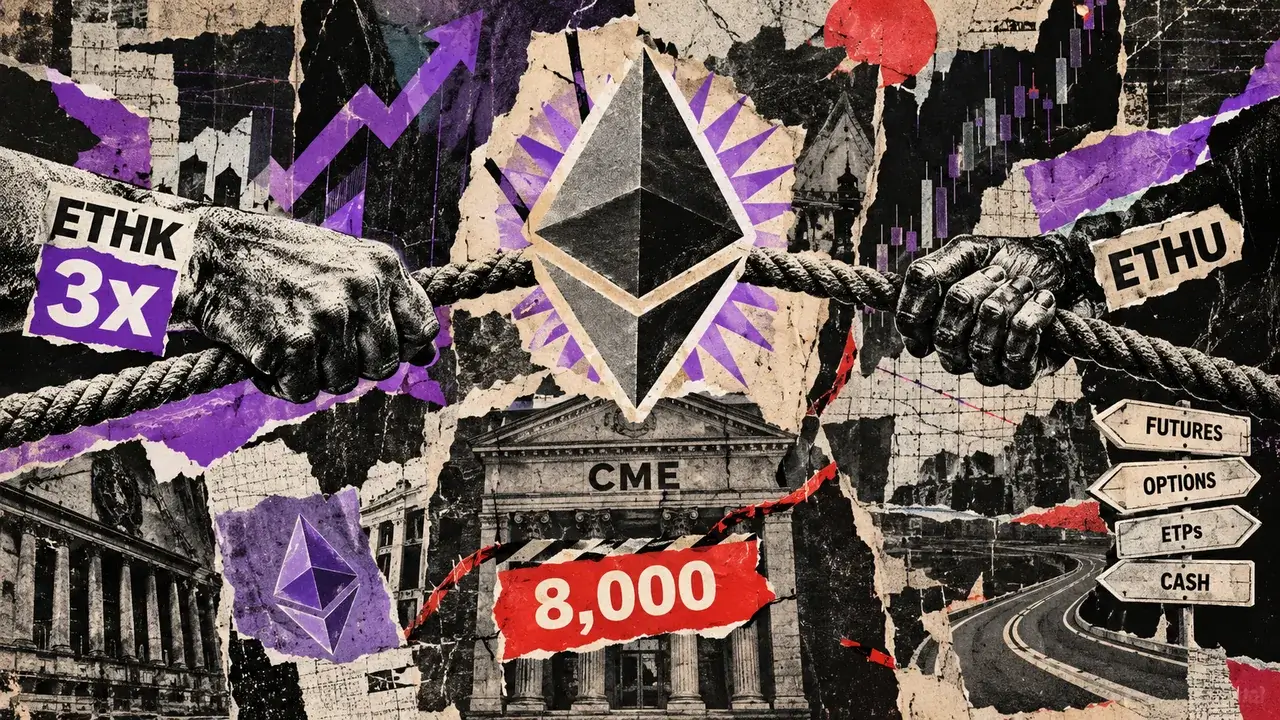
Ethereum’s proposed 3x ETF could reach CME’s futures threshold with just $362 million
At ETHU's Oct. 6 disclosed futures valuation, a 3x Ethereum ETF with $362.1 million in assets would target about $1.09 billion of...

TOKEN2049 Singapore Schedule Puts Institutional DeFi on the 2026 Agenda
TOKEN2049 Singapore is scheduled for October 7–8, 2026, with confirmed speakers from Nasdaq, BlackRock, and Franklin Templeton app...

Ethereum Client Prysm Ships 200M Gas Limit Fix Hours Before Glamsterdam Test
Offchain Labs, which maintains the Prysm Ethereum consensus client, released version 7.2.1 on Monday, hours before the Glamsterdam...