Mantra Collapse Sparks Debate on Trust in DeFi, Says Analyst
Key Takeaways: Mantra (OM) lost 90% of its value within an hour on April 13, erasing $6 billion in market cap. On-chain data shows large token movements before the crash, raising suspicions of insider activity. The colla...
Archive context
Older archive item. Useful for background and entity history, but not a fresh market-moving signal.
Key Takeaways:
- Mantra (OM) lost 90% of its value within an hour on April 13, erasing $6 billion in market cap.
- On-chain data shows large token movements before the crash, raising suspicions of insider activity.
- The collapse has intensified concerns about transparency and governance in DeFi projects.
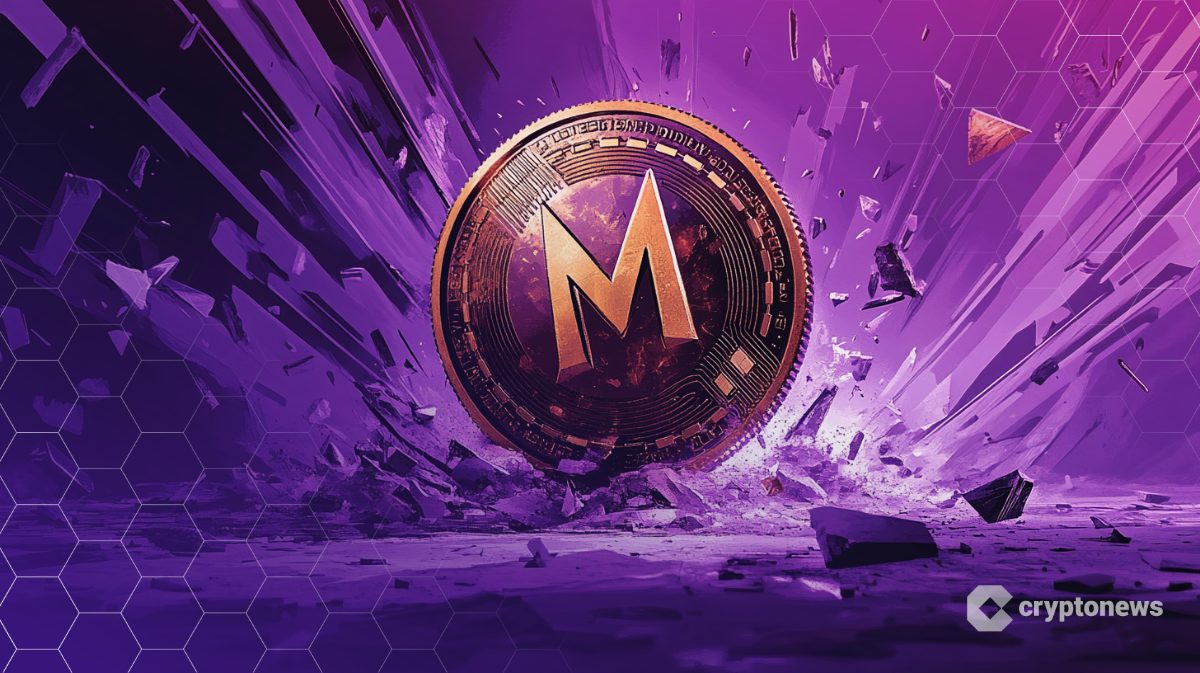
The dramatic collapse of Mantra (OM) has renewed concerns over trust and transparency in the decentralized finance (DeFi) sector.
In a matter of minutes on April 13, Mantra lost 90% of its value, wiping out $6 billion in market capitalization without any confirmed security breach or external attack.
Overhyped New Layer 1 Blockchains to Blame?Jean Rausis, co-founder of decentralized finance platform SMARDEX, weighed in on the situation, pointing to the dangers of overhyped new Layer 1 blockchains that lack decentralized backing and historical resilience.
“Sunday’s Mantra token collapse points, once again, to the fact that investors and users must be very careful with new L1s, especially when they are hyped up by centralized interests,” said Rausis. “It should serve as a reminder that not all price action in DeFi is sustainable.”
Rausis contrasted the Mantra collapse with Ethereum’s current performance, pointing out that despite recent sluggish price action, Ethereum remains the most reliable and developer-rich ecosystem in DeFi. “Ethereum remains King,” he stated. “Instead of fixating on ETH’s price action, we should be asking ourselves what the DeFi space truly needs to thrive.”
As the dust settles on Mantra’s dramatic fall, the broader DeFi community faces a pressing question: is it time to re-focus on transparency, decentralization, and long-term value — or risk repeating the same mistakes with the next overhyped project?
The sudden and steep drop sent shocked the crypto community, raising questions about governance, insider activity, and the fragility of hype-driven projects.
Mantra Once Considered a Promising Crypto ProjectOnce ranked among the top five Real World Asset (RWA) protocols by market cap, Mantra was seen as a rising star in the RWA space.
The project focuses on tokenizing real-world assets on-chain, and its native token, OM, reached an all-time high of $8.99 in late February.
However, within a few short weeks, the token plummeted from $6.10 to just $0.40 in a single day.
Why Did the Price of Mantra Collapse?As of now, there is no confirmed reason for what caused the collapse. Mantra maintains that the platform is operating normally and that there was no attack on the network.
Meanwhile, parts of the crypto community suspect insider trading and point to the project team as a possible cause.
Despite the market chaos, no official exploit or hack has been confirmed.
In a public statement released via X (formerly Twitter) on April 15, the Mantra team acknowledged the community’s concern and pledged a commitment to transparency.
"Transparency is a word that can get thrown around like glitter – particularly in this space. But I'm going to use it. We will do everything in our power to convey accurate, timely information as soon as we have it and verify it. This is a responsibility to our community we… https://t.co/B3pJyPaOwm
— MANTRA | Tokenizing RWAs (@MANTRA_Chain) April 15, 2025“Transparency is a word that can get thrown around like glitter – particularly in this space,” the post read. “But I’m going to use it. We will do everything in our power to convey accurate, timely information as soon as we have it and verify it. This is a responsibility to our community we take incredibly seriously.”
On-chain data reveals huge token movements prior to the crash, with some transactions potentially linked to insiders or early investors.
These large movements have sparked speculation about whether certain parties had foreknowledge of the collapse and sold off their holdings in anticipation.
Adding fuel to the fire is the revelation that the Mantra team may have controlled up to 90% of the token supply.
The post Mantra Collapse Sparks Debate on Trust in DeFi, Says Analyst appeared first on Cryptonews.
Why this matters
This blockchain story adds another data point to the current market tape and is useful when read alongside nearby source coverage.
Original source
Read on CryptonewsRelated market context

Starknet Crypto Shadow Accounts Separate DeFi Identity From Activity
Starknet crypto (STRK) launched Shadow Accounts on Oct. 14, 2026, giving users persistent, application-specific addresses for DeFi...

Polymarket Token Airdrop? TOKEN2049 Talk Fuels Speculation
Polymarket CEO Shayne Coplan revived speculation about a native token at TOKEN2049 Singapore, discussing a possible on-chain asset...
Chainlink Expands Market Data to Stellar’s $4B Tokenized Asset Ecosystem
Chainlink’s data infrastructure is now live on the Stellar blockchain, opening the door to new decentralized finance (DeFi) applic...

Injective sees nearly half of its markets tied to tokenized assets
Injective's integration of tokenized assets could revolutionize financial markets by enhancing accessibility and regulatory compli...

Federated Hermes Targets $14B Tokenized Fund Market With Prometheum Q1 2027 Launch
Key Takeaways: Federated Hermes and Prometheum are set to launch the first tokenized fund product in Q1 2027. Prometheum will dist...
EQX Plans 11 Tokenized Stock and ETF Markets on Hyperliquid
The share-backed tokens would trade on HyperCore against USDC, with US persons excluded under EQX’s eligibility rules.... Read the...