Meet Web3.0: The New Internet, Blockchain Edition?
Web3 (also known as Web 3.0) is the idea of a version of the Internet that is decentralized and based on public blockchains. The concept has gained immense popularity in 2020 and 2021, with interest from cryptocurrency e...
Archive context
Older archive item. Useful for background and entity history, but not a fresh market-moving signal.

Web3 (also known as Web 3.0) is the idea of a version of the Internet that is decentralized and based on public blockchains. The concept has gained immense popularity in 2020 and 2021, with interest from cryptocurrency enthusiasts and investments from high-profile technologists and companies.
Now we get to see how things unfold, and what to expect on our journey in the new frontier.
Related Reading \ Refinable Launches Gaming Initiative and Sets Aside $150,000 to Support NFT Gaming
X Out The Middle ManWeb 3.0 has the potential to change how we use the internet. In this new era, navigating the web no longer means logging onto the likes of Facebook, Google or Twitter to connect with people. The web has been seen as a way to democratize access to information, but there weren’t always great ways of navigating it. It was pretty disorganized and overwhelming, and not what it is today with the endless amount of information at our hands.
What we know and describe as Web 2.0 arrived in about the mid-2000s. Platforms like Google, Amazon, Facebook and Twitter started to emerge and laid out a new way for the Internet by making it easy to connect and transact online with anyone at anytime.
Bitcoin: Latest action from the top coin on the blockchain. | BTC-USD on TradingView.com How Will The Blockchain Play It’s PartIn Web3, data is stored in multiple copies of a P2P network. The management rules are formalized in the protocol and secured by majority consensus of all network participants, who are incentivized with a native network token for their activities. The Blockchain will be the backbone of the Web3, as it redefines the data structures in the backend of the Web. It introduces a governance layer that runs on top of the current Internet, that allows for two people who do not know or trust each other to reach and settle agreements over the Web.
Bitcoin and similar blockchains introduced a method for each participant in a network to hold and transfer value in a digitally native format, without the need for trusted intermediaries. Web 3.0 will likely be at least somewhat decentralized, and built upon a system known as the blockchain, which already undergirds Bitcoin and other cryptocurrencies. Imagine it as a type of bookkeeping where many computers at once host data that’s searchable by anyone. It’s operated by users collectively, rather than a corporation. Instead of platforms, there will be DAOs. People are given “tokens” for participating. The tokens can be used to vote on decisions, and even accrue real value. These are some of the potential traits of Web 3.0 in full form.
This is great for making transactions and holding onto different wallets without having to worry about being tracked. That, on top of personal data constantly going to Google, Facebook and the like, means that Web 3.0 can provide mass potential, and still be the shade needed for transactions to occur with privacy. Until then, we will learn more about Web 3.0 as time goes on.
Related Reading \ El Salvador Announces World’s First Bitcoin City, Backed By $1B Bitcoin BondsWhy this matters
This blockchain story adds another data point to the current market tape and is useful when read alongside nearby source coverage.
Original source
Read on NewsBTCRelated market context

Ethereum Layer 2 Blast Is Shutting Down, Saying Costs Now Exceed What the Chain Earns
Blast, the Ethereum layer 2 network created by Blur founder Tieshun “Pacman” Roquerre, is shutting down, its team announced on X o...
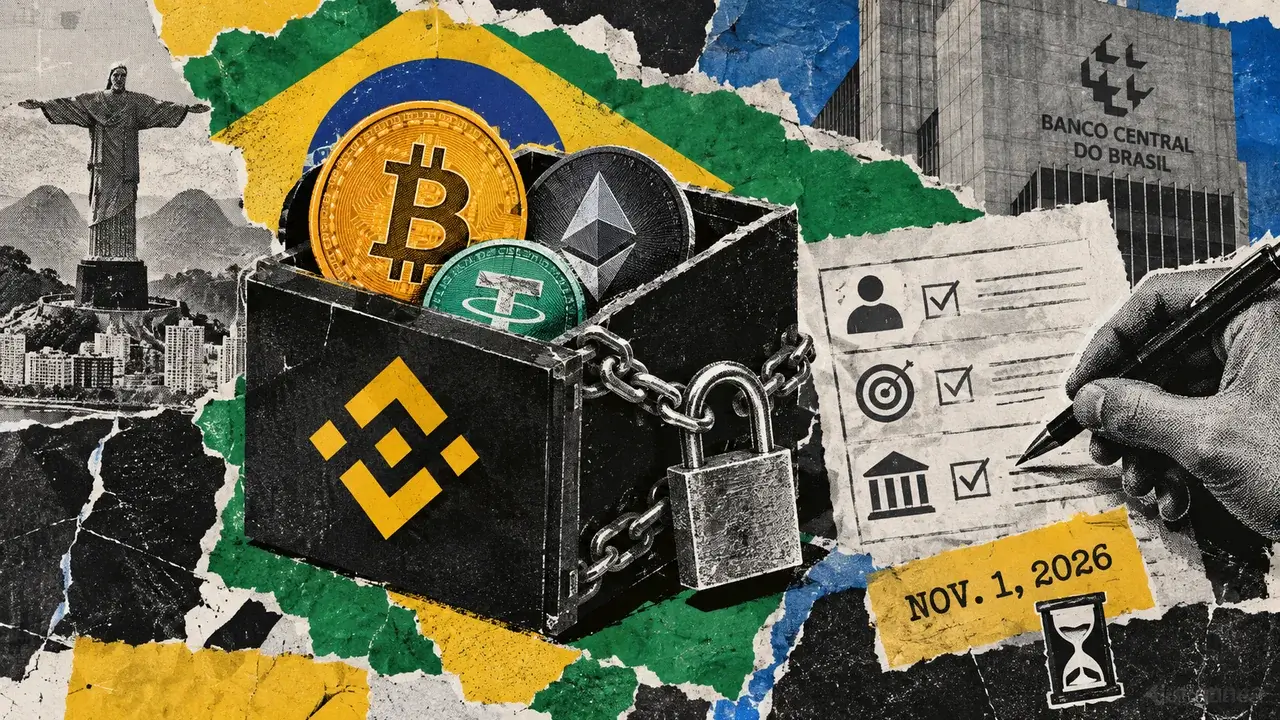
Binance will hold some Brazil crypto deposits until users explain where the money came from
Binance will require Brazilian users to provide additional information for cross-border crypto transfers starting Nov. 1. The exch...

New SEC crypto rules threaten small advisers, but big firms win
The US Securities and Exchange Commission’s proposed crypto custody fallback could broaden investment choices while making them ea...

Bitcoin (BTC) Price Today: 2028 Halving Cycle and BlackRock ETF Inflow Signal Long-Term Rally
Recent market data also show that Bitcoin buyers have absorbed a key sell wall around $85,000, reducing one source of near-term re...

Bitcoin rises as weak jobs data dims October hike odds
Bitcoin's rise amid weak jobs data highlights the potential for sustained liquidity-driven market dynamics, impacting broader risk...
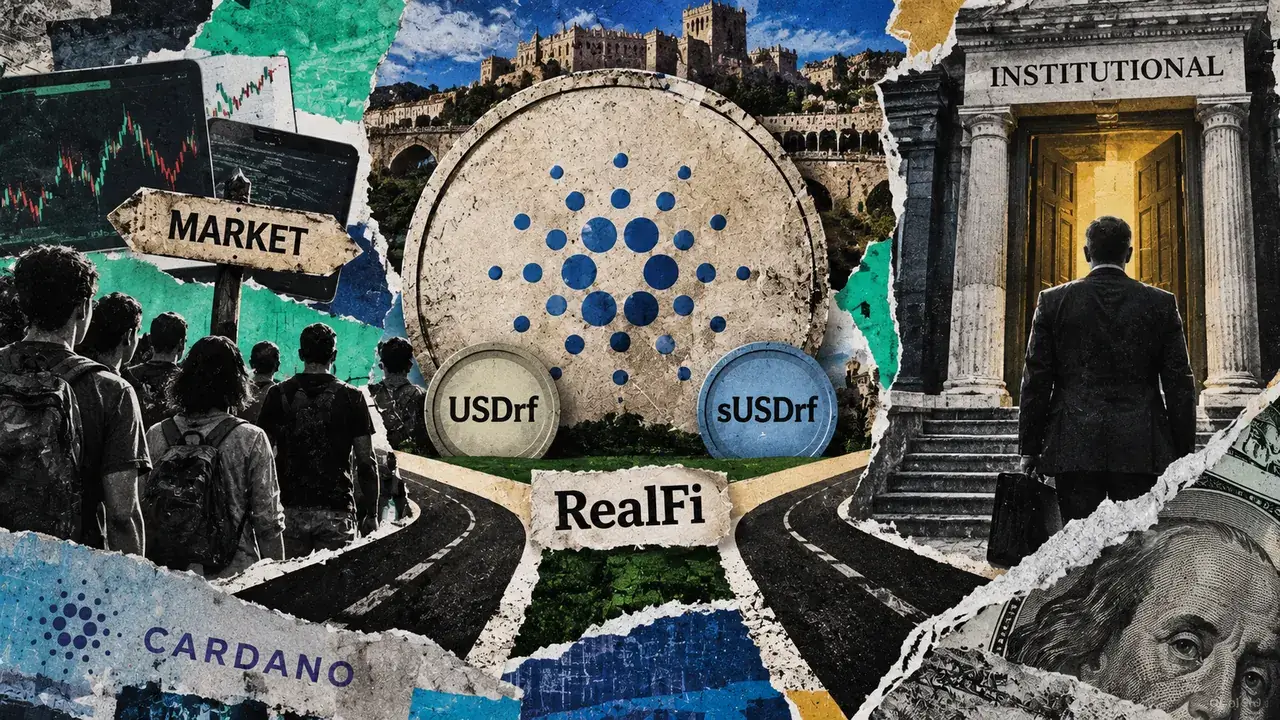
Cardano’s DeFi has shrunk by more than half and RealFi is betting credit can revive it
Cardano’s “bank the unbanked” push went live with RealFi, putting real-world credit behind a new dollar-token system. On Oct. 1, R...