Music Fans Rejoice as YellowHeart Protocol Is Set to Launch on Bittrex Global Starting Block
YellowHeart Protocol, an NFT platform poised to disrupt the ticketing and music industries, is set to launch its utility token, HRTS (pronounced “Hearts”), on Bittrex Global’s IEO Platform Starting Block as the platform’...
Archive context
Older archive item. Useful for background and entity history, but not a fresh market-moving signal.
YellowHeart Protocol, an NFT platform poised to disrupt the ticketing and music industries, is set to launch its utility token, HRTS (pronounced “Hearts”), on Bittrex Global’s IEO Platform Starting Block as the platform’s debut project on May 24 at 13:00 UTC.
YellowHeart Protocol Is a Significant Milestone in the History of Event Ticketing System
The first ever event tickets can be traced back to ancient Rome. Not issued on paper, but on a little piece of clay. People’s passion for public cultural events never stopped since, and it was until the mid-18th century when concert goers in London started to receive pre-paid checks to guarantee their seats. In the late 19th century, paper tickets gradually came to use. In the following two hundred years, more and more ticket designs emerged. In the early 2000’s, tickets moved online. And if you wonder what is the next important milestone in the history of event ticketing system, YellowHeart Protocol is one of the most relevant candidates.
On the YellowHeart Protocol platform, tickets are now offered as non-fungible tokens (NFTs) and enhanced with new capabilities enabled by the HRTS utility token (pronounced “Hearts”). In contrast to traditional tickets, NFT tickets provide music, video, and engaging experiences. They allow artists to communicate directly with their fans. And they offer artists and venues a share of the proceeds any time a ticket is resold. In addition to ticket NFTs, the YellowHeart Protocol marketplace also offers music NFTs, collectable NFTs and community tokens. The platform’s long-term mission is to bring together a larger ecosystem of fans, artists, sports teams, brands, venues, event promoters, and more to participate in the disruptive leap forward.
The revolution of an NFT ticketing platform like this is way beyond the little step from a paper ticket to a scannable barcode or a recognizable bracelet or ink stamp. The ability of issuing unique tickets that are anti-fraud, anti-counterfeit, and traceable is bringing the game to a brand new level of security and personalization.
Like all perishable items, paper-based tickets cannot be kept for long without special storage and care. Even for digital tickets, servers can go down, the service platform can be shut down, and the hard drive could fail to load. Yet an NFT ticket will stay on the decentralized blockchain for an indefinite time. Being digital, decentralized, and unique makes the NFT concert ticket literally everlasting. It’s time to say goodbye to your ticket album, photo frames, or a folder in your hard drive, and to embrace a brand new way of keeping the unique memory for as long as you wish.
Just imagine, how can someone prove to you that they were at Woodstock in 1969? The chances of them having the original tickets are probably very scarce. In contrast, your 2022 NFT tickets for an epic festival will stay at your fingertips even when your grandchildren might ask you to see it in 50 years from now.
The technological capability of the NFT ticketing platform enables the possibility of after-event engagement, and thus provides a powerful, alternative channel for artists and record companies to keep engaged with the concert fans for future events and for other promotions.
Imagine that the news of the next concert of your favorite music band didn’t reach you via social media campaigns or billboard advertisements, but from a fascinating airdrop with a special discount code that only YOU can use. Once the channel has been established, many after-event engagement possibilities are enabled by the blockchain technology.
Beyond the invaluable personal memories, a vintage Woodstock 69 ticket might be worth a nice sum of money nowadays, under the assumption that it survived the passage of time in mint condition for all these years. Yet a uniquely issued concert ticket saved on the blockchain and preserved as an NFT is a totally different story – it will never deteriorate, tear or get lost.
Trading of NFTs is also very convenient on many popular NFT trading platforms. And the owners of unique concert tickets with a rare or desirable design could benefit from the rising value of the tickets in future sales.
All of the above explains why YellowHeart Protocol promises to be a strong contender in the new world of Web3 and NFTs as well as give a reason to rejoice for music fans and all users in the live events and ticketing space.
YellowHeart Protocol is launching its utility token, HRTS, on Bittrex Global’s IEO Platform Starting Block as its debut project. The token sale starts Tuesday, May 24, at 13:00 UTC for non-US residents. To keep up with the latest developments follow YellowHeart Protocol on Twitter, check out the website and launch at https://global.bittrex.com/Market/Index?MarketName=USDT-HRTS
This is a sponsored post. Learn how to reach our audience here. Read disclaimer below.
Why this matters
This blockchain story adds another data point to the current market tape and is useful when read alongside nearby source coverage.
Original source
Read on Bitcoin NewsRelated market context
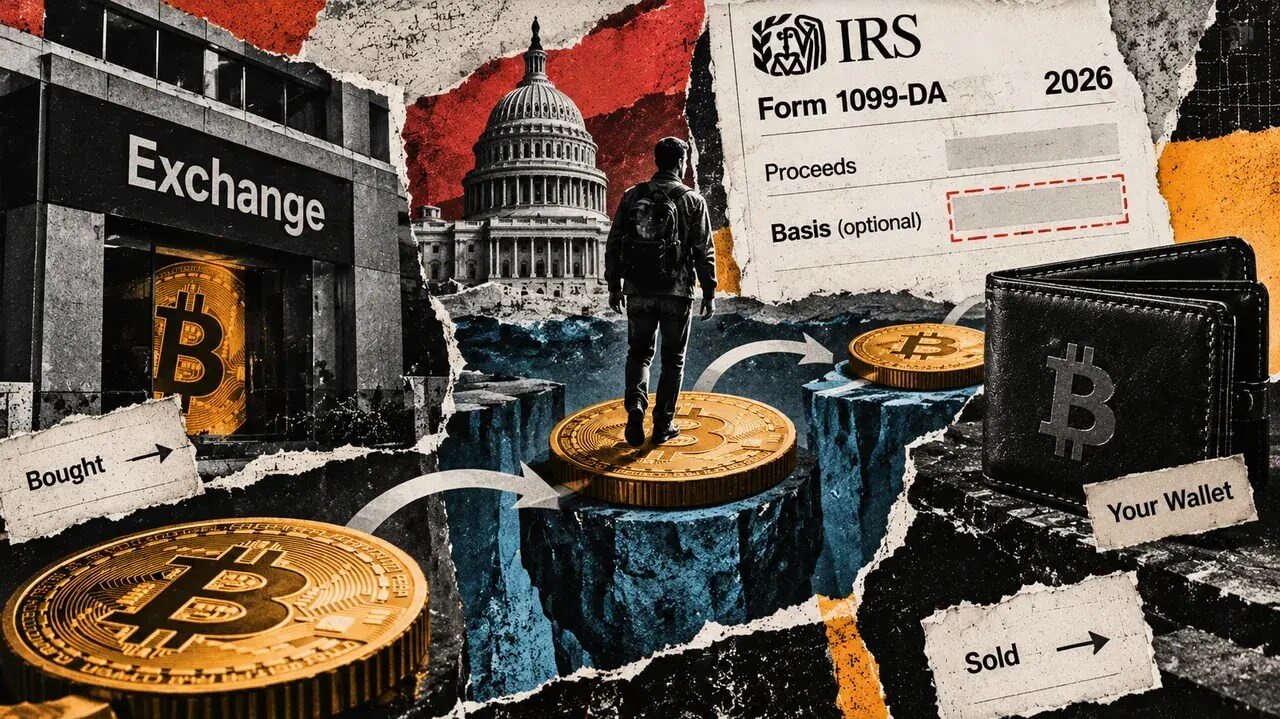
Bitcoin self-custody creates a massive cost-basis blind spot on your 2026 crypto tax forms
A Bitcoin investor can withdraw coins from an exchange, return them to the same account, and still fall outside mandatory cost-bas...
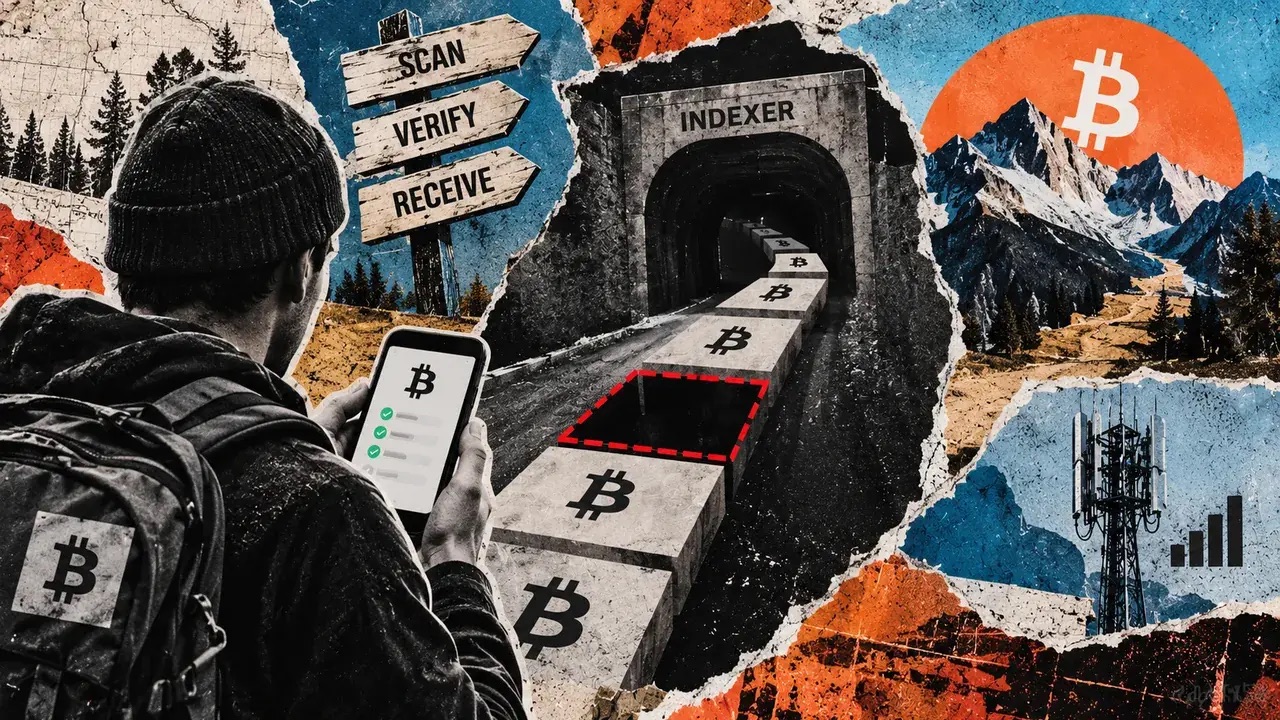
Bitcoin’s newest mobile privacy feature can make your incoming money completely invisible
Silent Payments promise a reusable Bitcoin address without exposing an obvious chain of payments to that address. A sender uses th...
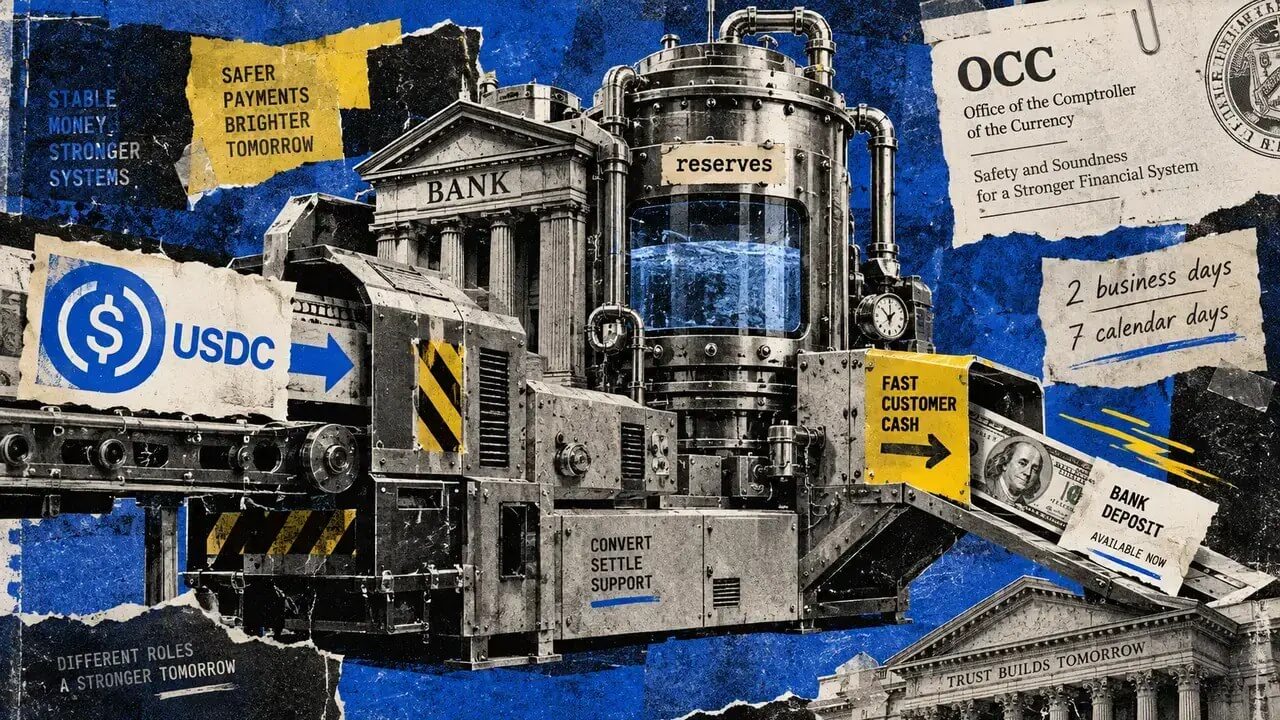
Proposed stablecoin rules might guarantee your dollar while making you wait a week to spend it
When a stablecoin holder receives spendable bank dollars before the issuer redeems the token, a buyer or conversion provider has f...
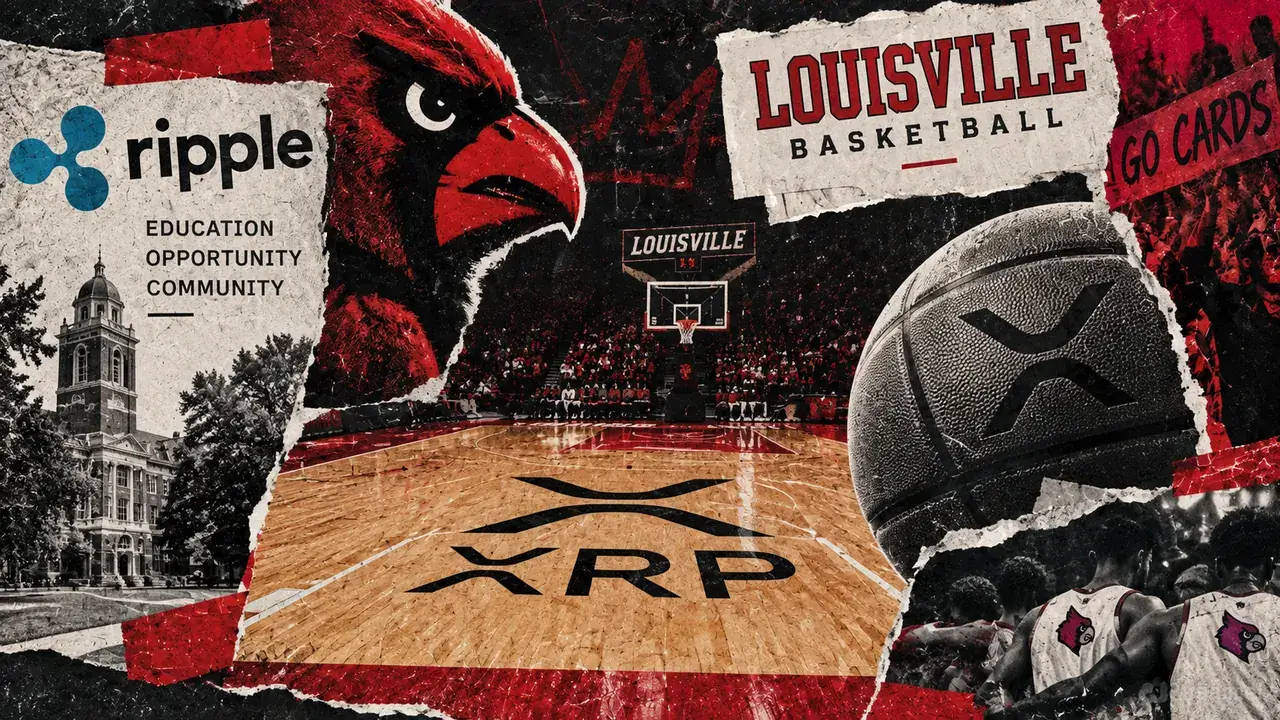
Ripple’s university strategy is evolving from blockchain labs to XRP logos in packed stadiums
Ripple is extending XRP’s push into US college sports, adding Louisville to a campaign that has rapidly expanded since July. The c...
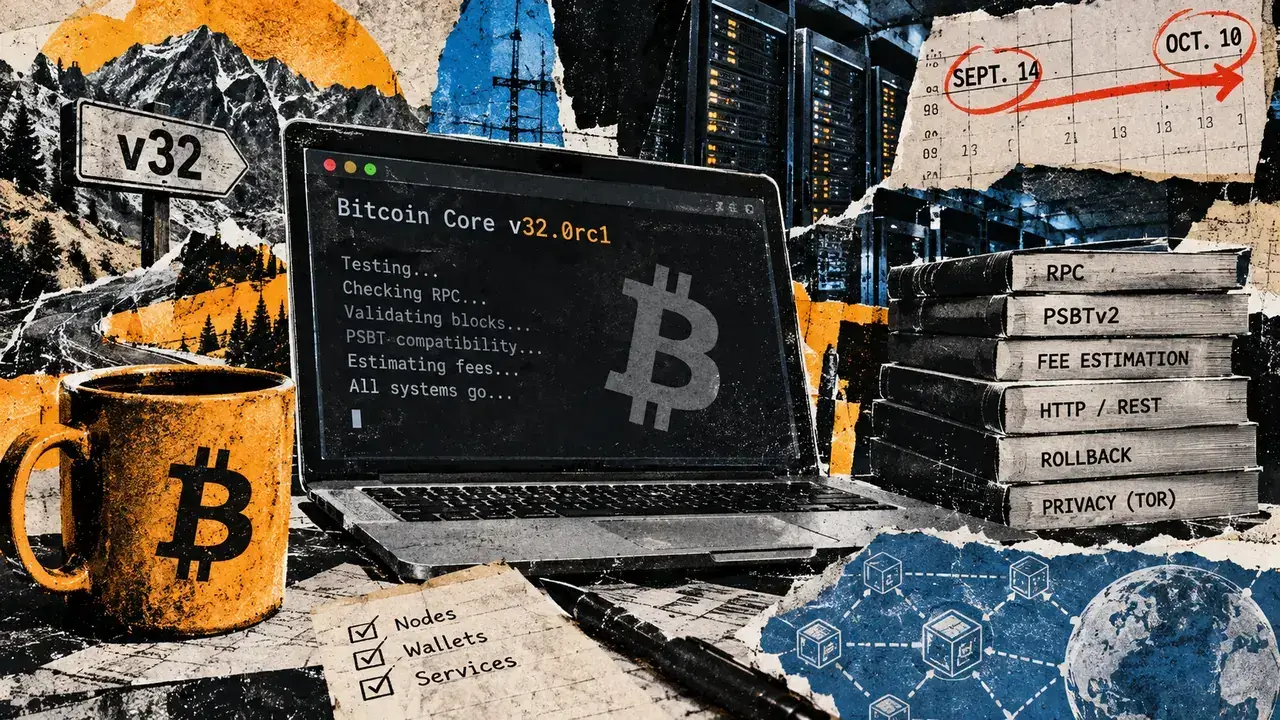
Major Bitcoin Core update changes default wallet protocols, risking temporary disruption across popular apps
Bitcoin Core v32.0rc1 has turned the Sept. 14–Oct. 10 window into a concentrated compatibility test for node operators, wallet pro...

Argentina to require crypto platforms to report user data to local tax authority
Argentina's new crypto reporting rules could enhance tax compliance and international data sharing, impacting user privacy and pla...