Nasdaq Seeks SEC Approval to Trade Tokenized Stocks, Eyeing $10 Trillion Opportunity
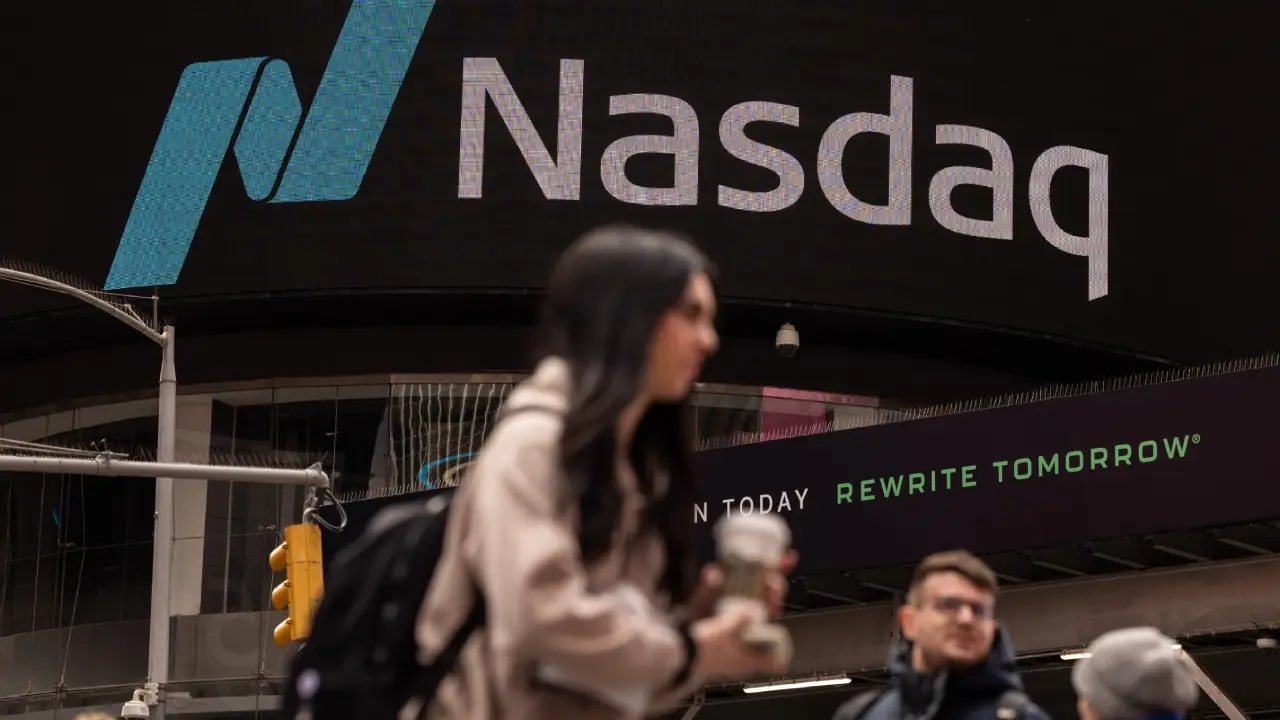
Key Takeaways: Nasdaq files with SEC to allow tokenized trading of stocks and ETFs First U.S. exchange move to integrate blockchain into regulated markets Tokenization could unlock trillions in liquidity by 2030 A Bold B...
Archive context
Older archive item. Useful for background and entity history, but not a fresh market-moving signal.
Key Takeaways:
- Nasdaq files with SEC to allow tokenized trading of stocks and ETFs
- First U.S. exchange move to integrate blockchain into regulated markets
- Tokenization could unlock trillions in liquidity by 2030
In its filing, Nasdaq was clear: tokenization should not replace the protections investors already rely on. Instead, the exchange argued that blockchain-based versions of securities can operate within the same safeguards that apply to traditional stocks and ETFs. Orders would be routed and reported the same way, and surveillance mechanisms would remain in place.
“The exchange will not treat tokenized instruments to be equivalent to their traditional counterparts if they do not convey such rights, in whole or in material part,” Nasdaq wrote. In other words, only tokens that carry full shareholder rights would be allowed to trade alongside regular shares.
This distinction matters. Some overseas platforms have already offered tokenized versions of U.S. equities without giving investors actual ownership rights. Nasdaq’s proposal is a direct response, aiming to ensure that tokenized stocks listed in the U.S. maintain the same protections as their non-tokenized equivalents.
Read More: Bybit EU Taps Nasdaq Surveillance to Monitor 60B+ Crypto Trades, Strengthen MiCAR Compliance
Why Tokenization Matters Why Tokenization MattersTokenization is more than just a buzzword. By its simplest definition, it means turning any asset from stocks and bonds, to art or even real estate into a “digital token” that can be recorded then exchanged on a blockchain.
Key Benefits for InvestorsFor the investor, there are clear advantages:
- Speedier settlement, or the time it takes for trades to be cleared, which could be in a matter of minutes rather than days
- Increased access by means of shared partial ownership in costly assets
- Trading 24/7 that transcends classic market hours
- Global liquidity tokens can easily cross borders
- The World Economic Forum had estimated
That scale explains why exchanges, banks, and crypto platforms are racing to claim a share of the opportunity.
SEC’s Role and a Shifting Regulatory ClimateThe SEC’s response will be critical. The filing comes just days after the regulator added crypto trading rules to its agenda. Under Chair Paul Atkins, the agency has signaled interest in revamping digital asset oversight and cutting back on rules long criticized as overly burdensome.
Still, regulators remain cautious. In July, Commissioner Hester Peirce – often seen as the SEC’s most crypto-friendly voice – warned that tokenized securities cannot bypass existing securities laws. The World Federation of Exchanges has also urged regulators to slow down tokenization until global standards are clearer.
Nasdaq directly acknowledged those concerns in its proposal. It cited Peirce’s comments and stressed that tokenized securities would operate within the existing legal framework, not outside of it.
Institutional Momentum BuildsNasdaq is far from alone in exploring tokenization. Coinbase previously sought permission to offer tokenized equities to its users. Banks including Citigroup and Bank of America have floated plans for tokenized assets ranging from stablecoins to structured products.
Tal Cohen, Nasdaq’s president, called tokenization an “amazing opportunity” in a LinkedIn post last year, saying it could help automate processes, drive down costs and speed up settlement.
What makes them popular for institutions is not just efficiency but also liquidity. A tokenized market could tap hitherto unavailable pools of capital that it makes it easier to trade, split and transfer assets.
Timeline and Market ImpactPending approval, Nasdaq anticipates its first token-settled trades could be executed by the third quarter of 2026. The timing is up to the Depository Trust Company (DTC) — the clearing behemoth that handles the majority of U.S. securities transactions — finalizing its blockchain-ready infrastructure.
The impact could be far-reaching. Tokenized assets have already had success in Europe and Asia, but if the U.S. approves its first tokenized asset that would be a game changer for how Wall Street thinks about digital assets. It could also put pressure on rivals like the New York Stock Exchange and Cboe Global Markets to follow suit.
Market reaction has already been positive. Nasdaq shares gained nearly half a percent after the filing, hitting fresh highs. Investors view the move as both a defensive and offensive strategy: protecting against crypto-native rivals while gaining a first-mover advantage in what could become a multi-trillion-dollar market.
Challenges Still AheadDespite the momentum, hurdles remain. There is still a lack of secondary market liquidity for tokenized assets. There are serious technical challenges – from interoperability among blockchains to cyber security risks – that should be resolved. And worldwide regulators have yet to reach a consensus framework.
Skeptics caution that tokenization could pose fresh systemic risks.
With Nasdaq now on board, the technology is heading straight for the center of U.S. finance. Whether regulators embrace the change will determine how fast the transition unfolds.
The post Nasdaq Seeks SEC Approval to Trade Tokenized Stocks, Eyeing $10 Trillion Opportunity appeared first on CryptoNinjas.
Why this matters
This blockchain story adds another data point to the current market tape and is useful when read alongside nearby source coverage.
Original source
Read on CryptoNinjasRelated market context

Nasdaq-Listed Perpetuals Files to Trade Tokenized US Stocks Under SEC Exemption
The company run by former FTX Europe head Patrick Gruhn says it has published a notice of intent to rely on the SEC's five-year re...

Ripple Prime Opens 24/7 Swaps on Stocks, Metals and Currencies, With Virtu Already Trading
Ripple Prime, Ripple’s institutional prime brokerage, now lets clients hold positions on stocks, indices, commodities and currenci...
Binance’s bStocks Lead Tokenized Stocks After Crossing $1 Billion
Binance’s tokenized U.S. equities product, bStocks, now holds more than $1 billion in assets under management, the exchange announ...

MEXC AI Trading Report Reveals 85% of Crypto Traders Use AI, But Most Limit Its Control Over Funds
Mutsamudu, Comoros, October 16, 2026 — MEXC, a global cryptocurrency exchange, released its AI Trading Report, based on a survey o...
Binance Claims Fastest $1 Billion Sprint in bStocks With $6 Billion in Share Conversions
Binance has reported that its bStocks product crossed $1 billion in assets faster than any competing tokenised equity offering. Un...

Trade futures without the wallet-hopping: Unified Wallet is now available in the EEA
TL;DR Unified Wallet is now available to EEA clients on Kraken Pro It combines your spot, margin, and futures balances into one sh...